



London Silver Salts
These london silver salts bring tactile weight and historic craftsmanship to the dining table.
London Silver Salts
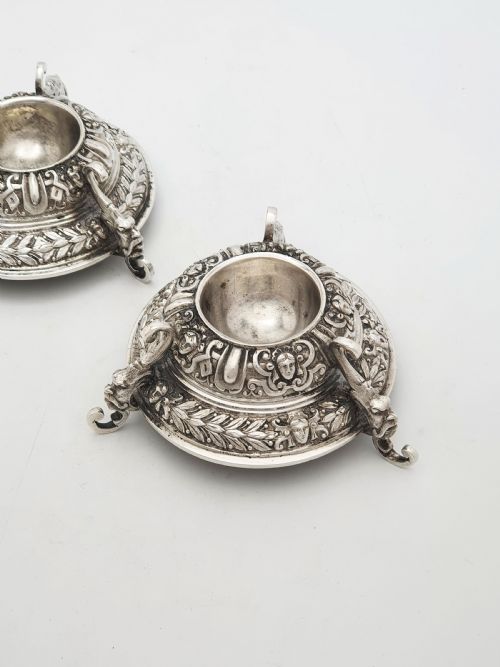
When you search for london silver salts, you encounter small masterworks designed to hold seasoning for the dining table across several centuries of British design. These table accoutrements range from open bowls meant for pinches of salt to novelty forms shaped as shells, walnuts, and animals.
The form evolved from early George II and George III tripod bowls to elaborate Victorian shell designs and novelty salt and pepper shakers. Makers utilised traditional casting and hammering methods to produce these functional items.
Materials and Techniques
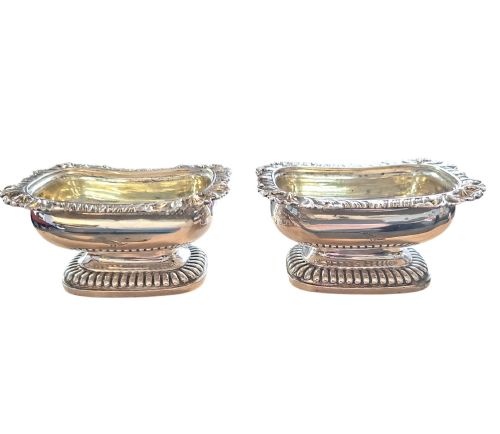
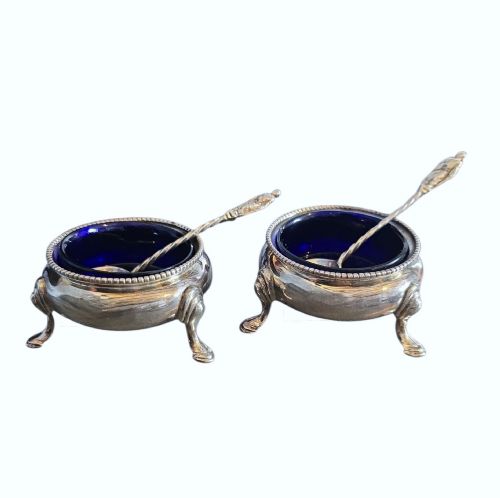
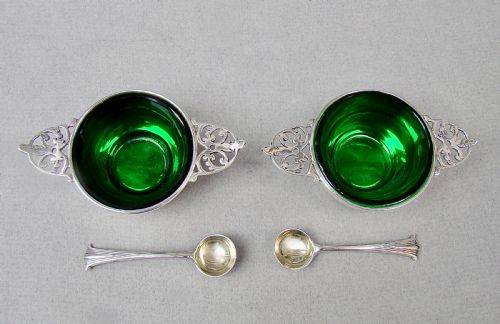
The primary material across the pieces is sterling silver, frequently paired with internal liners of green or blue glass to protect the metal from corrosive salt. Many Georgian and Victorian examples also utilise gold gilt interiors, known as silver gilt, providing a rich contrasting surface.
Silversmiths employed casting, chasing, and repoussé techniques to shape solid silver into cauldrons, shells, and novelty figures. Artisans added fine details like dolphin feet or engraved borders by hand.
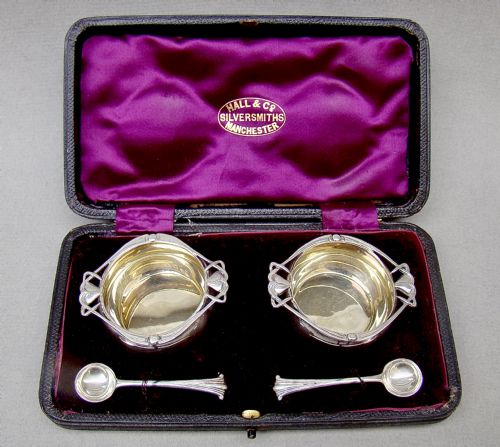
Associated materials include fitted leather and velvet cases for transport, alongside guilloché enamel applied to glass bodies.
London Silver Salts Retail Price Guide 2026
Typical asking prices for london silver salts among the pieces listed under this phrase on Sellingantiques today, from the lower quarter to the upper quarter. They describe what is for sale here now, not the wider market.
Victorian silversmiths occasionally modelled salt cellars as split walnuts, complete with hinged silver shells to hold the seasoning.
Quality and Execution
Quality rests upon the crispness of the chasing and the weight of the solid silver used in the body. Heavy gauge metal ensures the piece retains its structural integrity and sharp detail over centuries of handling.
The distinction between standard production and top tier work often lies in the attribution to recorded silversmiths and the presence of fully matching components, including original glass liners and spoons.
Novelty pieces derive their standing from the imaginative execution of the form, such as realistic animal models or architectural walnut styling.
Thomas Johnson·Josiah Williams and Co·Samson Mordan·Peter and Ann Bateman·Paul Storr·Robert Hennell·Martin Hall and Co·Edward Lowe·Daniel and Charles Houle·Henry Williamson·David Hennell I·Meiling Gartrell·Robert Harper
The London Silver Salts Glossary
- Silver gilt
- Sterling silver coated with a thin layer of gold on the interior surface. This process protected the silver from the corrosive properties of salt.
- Glass liner
- A removable vessel inserted inside an open salt cellar. These protect the precious metal from direct contact with seasoning.
- Repoussé
- A metalworking technique where an artisan hammers the design from the reverse side to form a raised pattern in relief. This method defines many ornate Victorian vessels.
- Sterling silver
- An alloy consisting of silver and other metals, predominantly copper, standard for British plate. It provides the durability necessary for functional tableware.
- Cauldron salt
- A small, round bowl form supported by three legs, popular during the eighteenth and nineteenth centuries. This silhouette echoes ancient cooking vessels.
London Silver Salts: Frequently Asked Questions
How were salt cellars used?
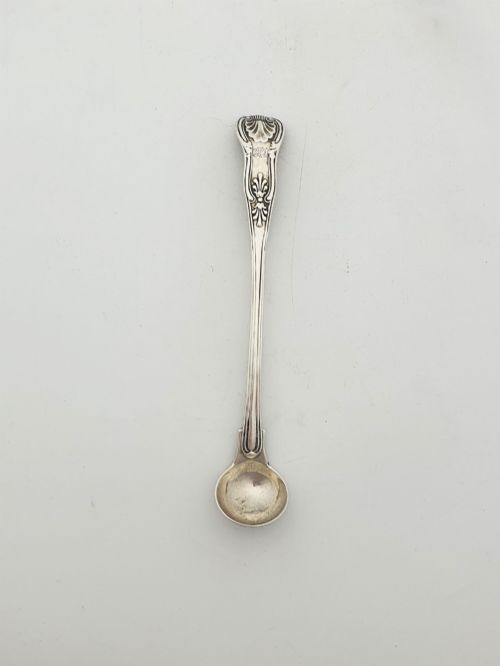
Diners used open salt cellars by taking a pinch of salt with their fingers or a small salt spoon. These vessels sat upon the dining table to hold seasoning before the invention of individual shakers.
Wealthy households displayed elaborate silver salts to signal status and taste during formal meals.
What are glass liners for?
Glass liners prevent salt from corroding the sterling silver interior over time. Salt is highly reactive and damages unprotected metal if left in contact for extended periods.
These removable inserts made cleaning the tableware much simpler for domestic staff.
How do I date these pieces?
London pieces feature hallmarks stamped directly onto the metal, including a leopard head symbol, a date letter, and a maker mark. These official stamps allow you to trace the exact year of manufacture.
Stylistic shifts, such as the transition from plain Georgian bowls to elaborate Victorian novelty shapes, also indicate the period.
Can I use them today?
You can use these pieces on a modern dining table provided you handle them with care. Inserting the proper glass liner protects the historic metal from active corrosion.
Hand washing with mild soap preserves the antique finish and prevents damage to the delicate silver surface.