



Log Grate Andirons
Log grate andirons anchor the hearth with robust metalwork, combining functional fire baskets and supportive dogs to keep coal and logs burning safely.
Log Grate Andirons
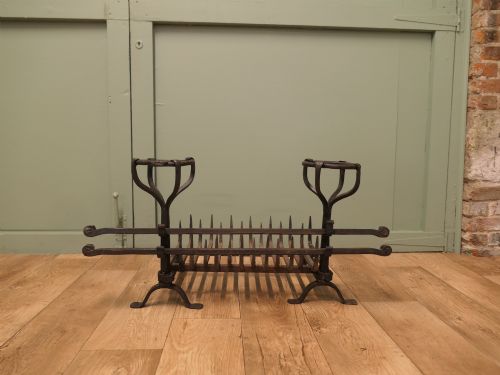
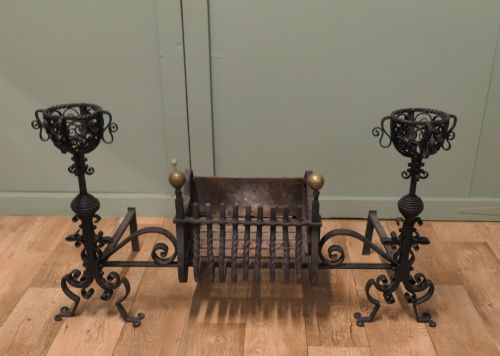
When you search for log grate andirons, you encounter heavy hearth furniture designed to hold solid fuel securely within open fireplaces. These pieces combine fire baskets or grates with supporting firedogs, serving both a structural purpose for wood burning and a decorative role in the room.
The versions you are most likely to meet on this page hail from the Victorian and Georgian periods, alongside Edwardian examples. They take forms such as inglenook fire baskets, fire dogs, and complete fireplace hearth sets.
Makers shaped these utilitarian items for English chimney hearts, ranging from simple domestic hearths to grand inglenook installations. The surviving pieces demonstrate the enduring requirement for durable metalwork to manage open domestic fires.
Materials and construction
Blacksmiths and foundries utilised cast iron and wrought iron for the primary structure of log grate andirons, ensuring the metal could withstand intense hearth temperatures over decades of use. Firebrick often lined the internal baskets to protect the surrounding metal frame from direct flame.
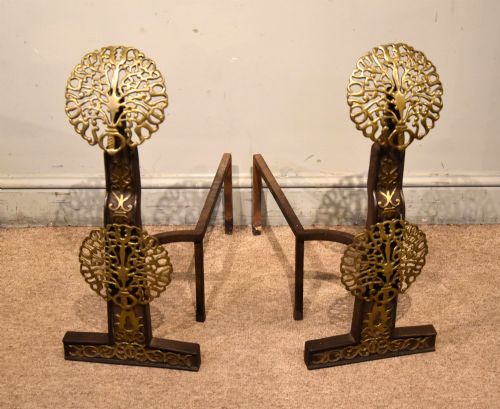
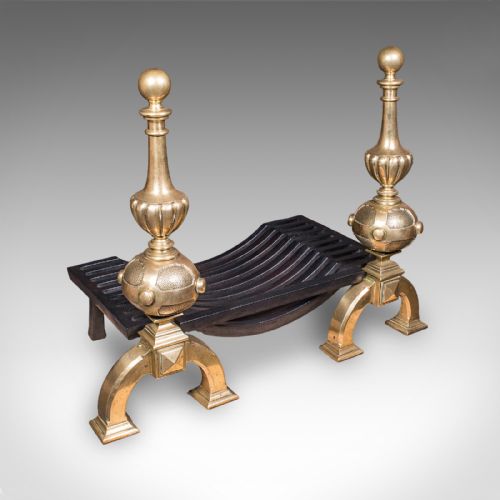
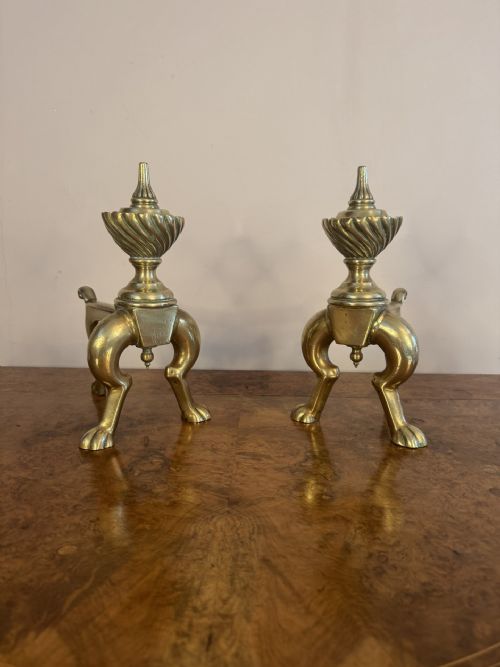
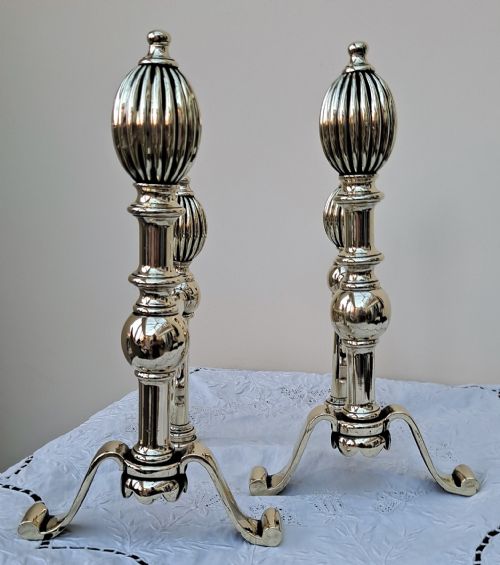
Makers incorporated brass elements, such as decorative fire dogs and bright mounts, to contrast against the dark ironwork. The combination of heavy forged bars and cast components provided the necessary stability for supporting substantial loads of coal or wood.
Log Grate Andirons Retail Price Guide 2026
Typical asking prices for log grate andirons among the pieces listed under this phrase on Sellingantiques today, from the lower quarter to the upper quarter. They describe what is for sale here now, not the wider market.
Some andirons double as mulling equipment, ready to heat spiced ale right beside the hearth coals.
Assessing quality and substance
The distinction between standard hearth fittings and superior examples lies in the heft of the metal and the presence of integrated sets. Very heavy large fire backs, paired grates, and substantial brass details indicate a higher grade of manufacture intended for principal reception rooms.
Design complexity also sets pieces apart, moving from straightforward utility items to elaborate Gothic Revival or Tudor Revival styles. The crispness of the cast iron mouldings and the substantial gauge of the wrought iron determine the longevity and visual weight of the assembly.
The Log Grate Andirons Glossary
- Andiron
- A horizontal iron bar raised on short legs, supporting logs in an open fireplace, often featuring an ornamental front post. They are frequently paired to cradle fuel effectively.
- Fire Basket
- A metal container or grate designed to hold coal or wood above the hearth floor for improved airflow. These baskets sit either independently or integrate directly with supporting andirons.
- Fire Dog
- An alternative term for an andiron, specifically emphasising the decorative front pillar or upright. In many Victorian sets, these match the accompanying fire basket.
- Inglenook
- A deep recess for a fireplace, often large enough to accommodate seating inside the chimney breast. Grates designed for these spaces tend to be exceptionally large and heavy.
- Firebrick
- A block of refractory ceramic material used to line fireboxes and grates. It withstands high heat and reflects warmth back into the room.
Log Grate Andirons: Frequently Asked Questions
What is a log grate andiron?
A log grate andiron is a combination of metal supports and a fire basket designed to hold fuel in an open hearth. It elevates logs or coal to allow proper airflow beneath the fire.
These heavy iron and brass assemblies protect the hearth base while organising the fire for efficient burning and safety.
How do I date an antique grate?
Dating relies on stylistic clues, manufacturing methods, and material combinations visible in the ironwork and brass mounts. Victorian pieces often display Gothic Revival or heavy cast ornament, while Georgian examples show simpler, robust lines.
Comparing the construction technique, such as hand-wrought iron versus machine casting, helps narrow the period of origin.
Can I use these in a modern fireplace?
Many antique grates and andirons remain structurally robust enough for regular use in suitable open fireplaces. You must ensure the dimensions match your hearth opening and that the chimney can handle solid fuel.
Consult a specialist to verify that internal firebricks and iron frames are sound before lighting any fire.
What styles are common?
The available pieces predominantly showcase Victorian, Georgian, and Edwardian tastes, alongside revival styles like Gothic and Tudor. These range from plain utility ironmongery to ornate assemblies with bright brass elements.
Each style reflects the interior decoration trends of its respective era, from strict classical symmetry to ornate Victorian revivalism.