





Loetz Glass Vessel
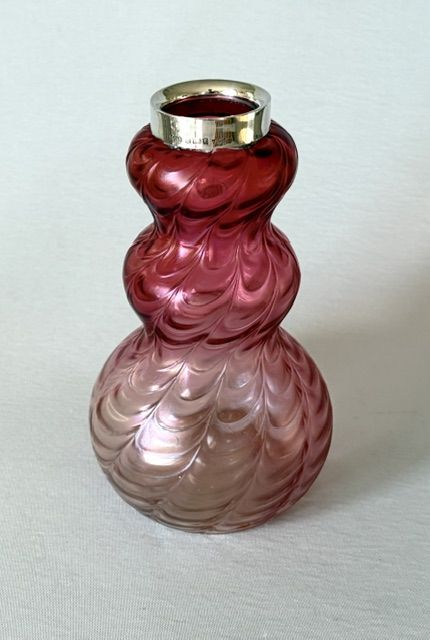
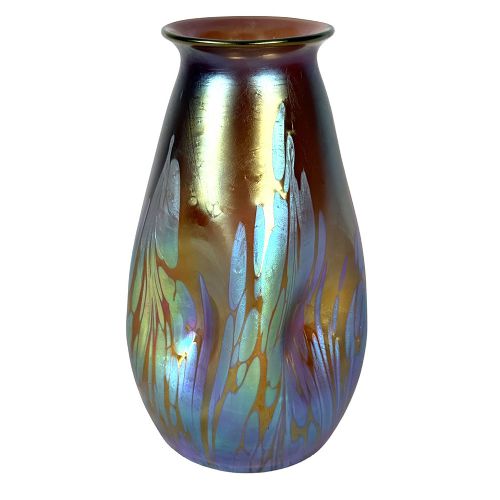
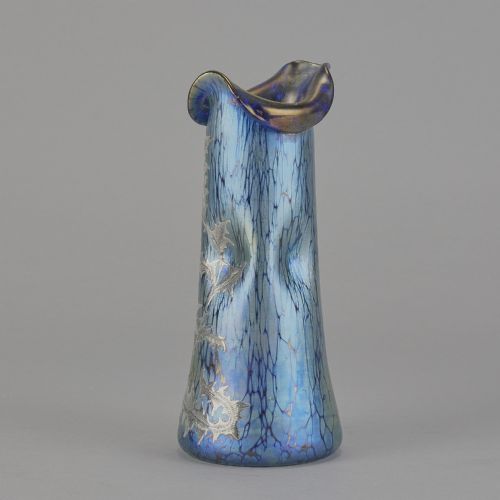
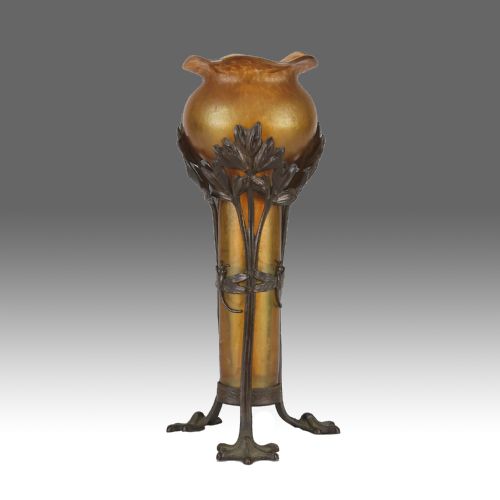
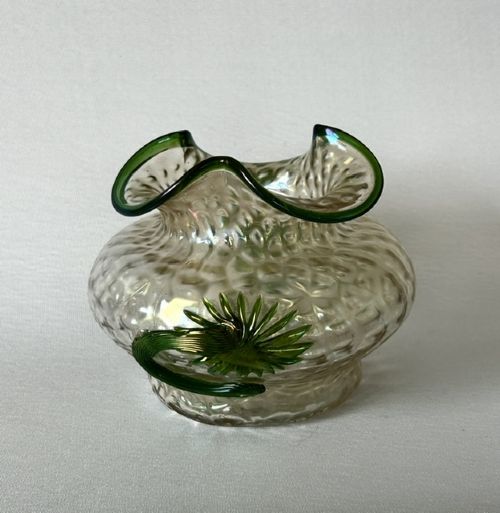
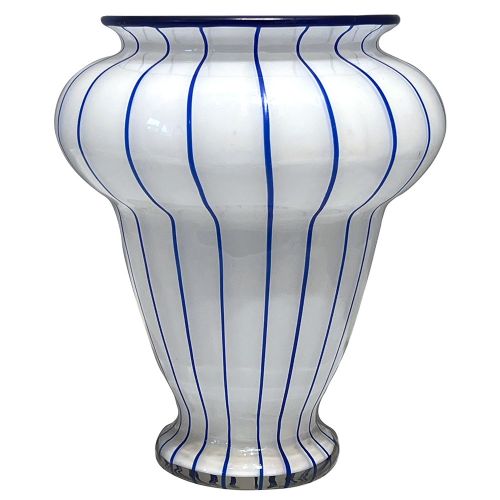
A loetz glass vessel brings the shimmering iridescent colour and organic forms of Art Nouveau directly into a room.
Loetz Glass Vessel
A loetz glass vessel encompasses the iridescent vases and decorative bowls produced during the early twentieth century. These pieces belong predominantly to the Art Nouveau, Jugendstil, and Vienna Secession movements, capturing the spirit of Austrian design from around nineteen hundred to nineteen ten.
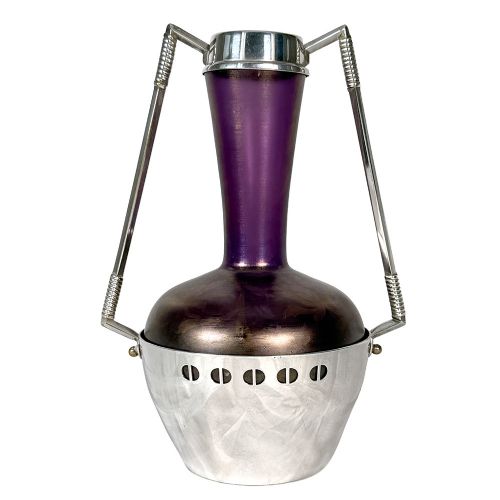
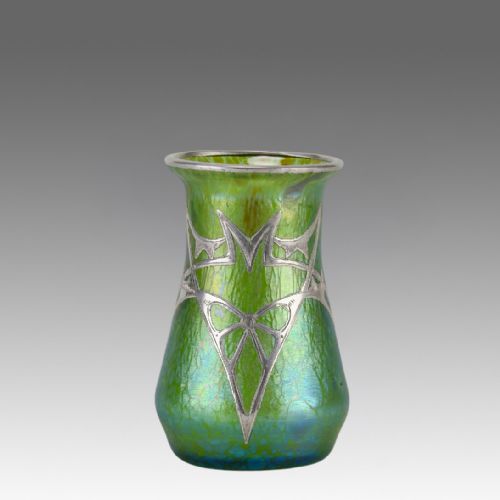
Vases and bowls dominate the forms found here, often shaped with fluid lines. Many examples are enhanced with metallic additions, pairing blown glass with sterling silver, silver plate, bronze, or pewter mounts.
Buyers encounter distinctive decors such as Papillon, Medici, and Vesuvian Tadpole on this page. These surface effects create the characteristic shimmering appearance that collectors seek.
How they were made
Makers utilised blown glass techniques to shape vessels while incorporating metallic oxides into the hot material to achieve an iridescent finish. This process produced the shifting, oil-slick colours seen across the surfaces of these pieces.
Many glass bodies received secondary metalwork enhancements, combining blown glass with silver overlay, bronze mounts, or pewter stands from workshops like Argentor. These metal additions were fitted securely around the rims and bases of the glass forms.
Loetz Glass Vessel Retail Price Guide 2026
Typical asking prices for loetz glass vessel among the pieces listed under this phrase on Sellingantiques today, from the lower quarter to the upper quarter. They describe what is for sale here now, not the wider market.
Materials recorded across the inventory include iridescent glass, blown glass, silver plate, sterling silver, bronze, pewter, and green glass.
What varies in quality
The sophistication of the decor determines much of the distinction among these pieces. Complex surface treatments, such as the Papillon or Medici patterns, demonstrate greater technical skill than plain coloured glass.
The presence and quality of metal mounts also influence the character of a vessel. Pieces combined with detailed silver plate, bronze, or pewter stands represent a higher level of collaborative design during the period.
Loetz·Loetz Witwey·Johann Loetz·Loetz Witwe·Argentor
The Loetz Glass Vessel Glossary
- Iridescent Glass
- Glass treated with metallic salts while hot to produce a rainbow sheen. This surface effect reflects light in shifting colours.
- Art Nouveau
- A design movement popular around nineteen hundred characterised by organic lines and natural motifs. It heavily influenced Austrian glass production.
- Silver Overlay
- Metal applied directly to the glass body in decorative patterns. This technique combined metalworking with glassblowing.
- Vienna Secession
- An artistic group formed in Austria that rejected historicism in favour of modern geometric and stylised forms. It shaped the Secessionist style seen on several vessels.
Loetz Glass Vessel: Frequently Asked Questions
What is a loetz glass vessel?
A loetz glass vessel is a decorative item produced by the Austrian glass factory around the turn of the twentieth century. These pieces are known for their iridescent finishes and association with the Art Nouveau movement.
Most examples take the form of vases or bowls, frequently showcasing specific surface decors like Papillon or Medici. Some also feature metal mounts in silver or bronze.
How do I identify a loetz glass vessel?
Identification relies on recognising characteristic iridescent glass finishes and stylistic traits from the Art Nouveau and Secessionist periods. Many pieces exhibit specific decors documented from the Bohemian factory.
Examining the form, colour patterns, and any metal mounts helps distinguish these items. Certain examples also feature factory signatures or associated metalwork stamps.
What periods do these vessels come from?
These vessels originate primarily from the early twentieth century, specifically around nineteen hundred to nineteen ten. This era coincided with the height of the Art Nouveau and Vienna Secession movements in Austria.
The manufacturing dates reflect the period when the Bohemian factory produced its most celebrated iridescent and mounted glass designs.
How should I display a loetz glass vessel?
Displaying these vessels where light can strike the iridescent surface enhances their shifting colours. Placing them on a stable surface away from edges protects the delicate glass and metal mounts.
Natural daylight or well-positioned interior lighting brings out the metallic sheens in finishes like Papillon and Vesuvian Tadpole.