



Livestock Landscape Painting
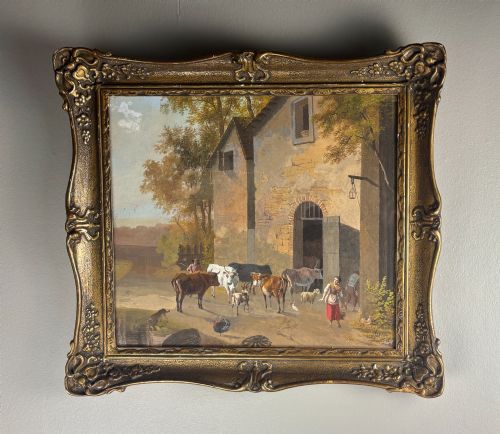
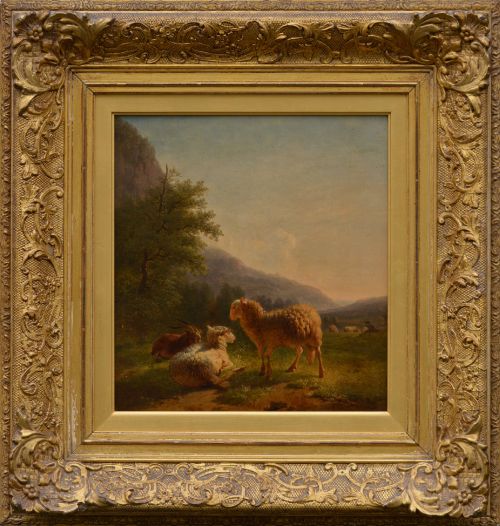
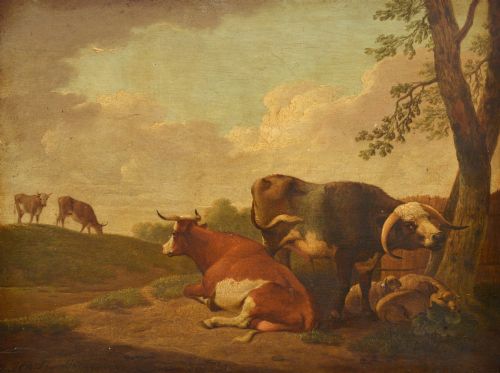
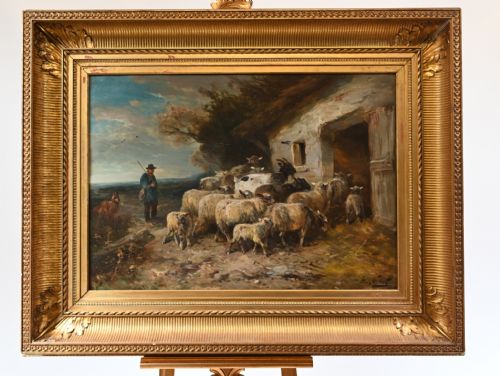
When you search for a livestock landscape painting, you are looking at historical pastoral scenes centred on cattle, sheep, and rural farming life.
Livestock Landscape Painting
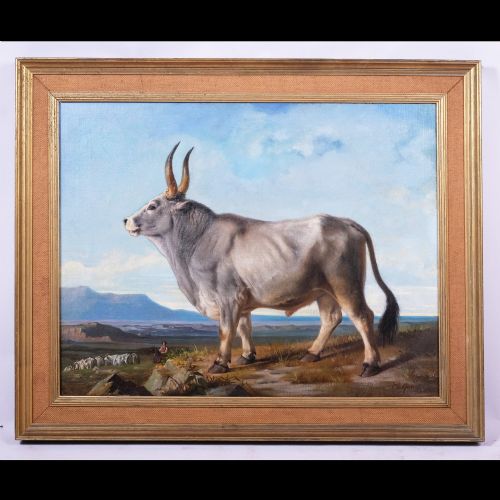
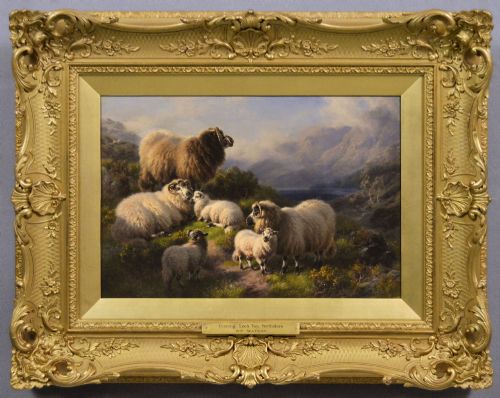
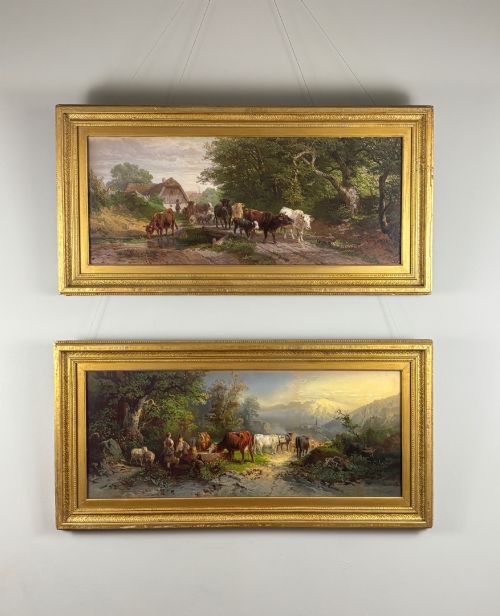
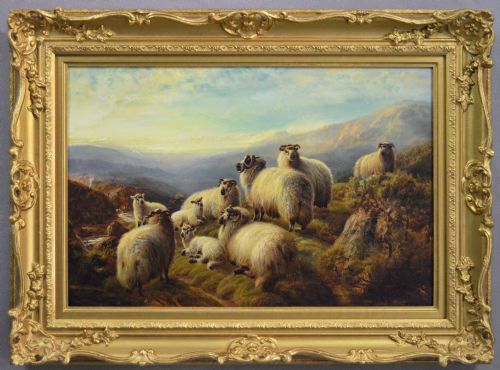
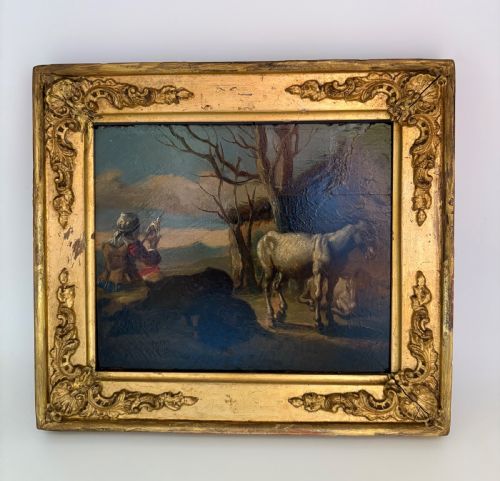
A livestock landscape painting typically combines natural scenery with farm animals such as cattle, sheep, and horses, reflecting rural and pastoral themes.
The selections available span from the 18th century through the Victorian era and into the early 20th century, capturing changing artistic approaches to the countryside.
Common formats include oil on canvas and watercolour paintings, often presented within original giltwood, gesso, or wood frames.
Materials and Construction
Artists primarily utilised oil paint or watercolour applied to canvas, paper, or oak panels to build depth and texture within the pastoral scenes.
Frames incorporated wood, gesso, and gold leaf, frequently finished in ornate giltwood styles appropriate to the Victorian and earlier periods.
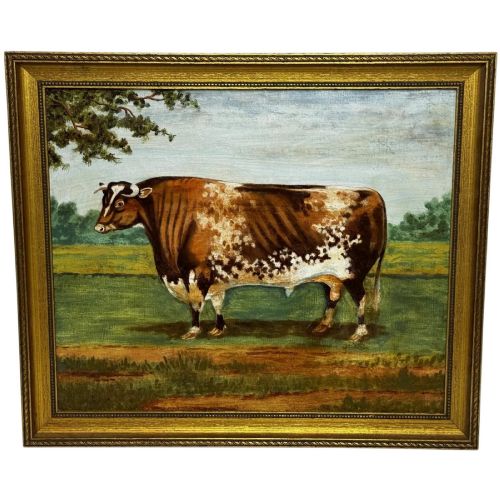
Several sheep paintings record precise portrait sessions for prized shorthorn bulls.
Judging Quality and Execution
The fidelity of animal anatomy and the natural integration of livestock into the broader landscape separate standard works from superior examples.
The preservation of the original canvas, paint layers, and period frames significantly influences the overall integrity of the piece.
Eugène Verboeckhoven·Thomas Sidney Cooper·William Watson Jnr·Franz van Severdonck·Julius Caesar Ibbetson
The Livestock Landscape Painting Glossary
- Giltwood
- Wood carved and coated with gold leaf or a gold-coloured finish, commonly found on period frames.
- Gesso
- A plaster-like mixture applied to wood frames as a base for moulding decorative details before gilding.
- Pastoral Realism
- An artistic style focusing on accurate depictions of rural life, agriculture, and farm animals in natural settings.
- Oil on Canvas
- A traditional painting technique using pigments suspended in drying oils applied directly to stretched woven fabric.
Livestock Landscape Painting: Frequently Asked Questions
What periods do these paintings come from?
The available works primarily date from the 18th, 19th, and early 20th centuries, encompassing Victorian and Edwardian periods.
Specific dates within titles range from the late 1700s through to the 1920s, reflecting diverse historical artistic movements.
What mediums were used by the artists?
Artists worked primarily with oil paint on canvas or oak panels, alongside mixed-media and watercolour paintings on paper.
Many of these artworks are retained within their original wooden, gesso, and giltwood frames.
How should I display a framed painting?
These pieces suit traditional wall art placement away from direct sunlight and excessive moisture to protect the canvas and giltwood frames.
Ensuring stable room temperatures helps preserve both the paint layers and the structural integrity of the antique frame.
How do I identify a Victorian pastoral scene?
Victorian pastoral works typically feature domestic livestock such as shorthorn bulls, sheep, and horses situated within detailed British, Scottish, or continental landscapes.
Many examples reflect realism or romanticism movements popular during the 19th century.