



Lion Mask Cellarette
These lion mask cellarette pieces combine practical wine storage with striking classical ornament, offering period elegance for any dining room.
Lion Mask Cellarette
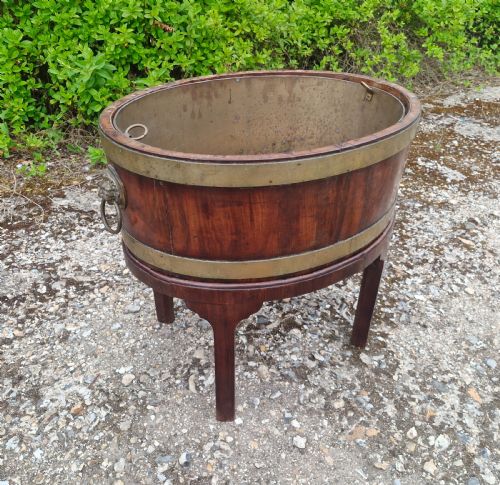
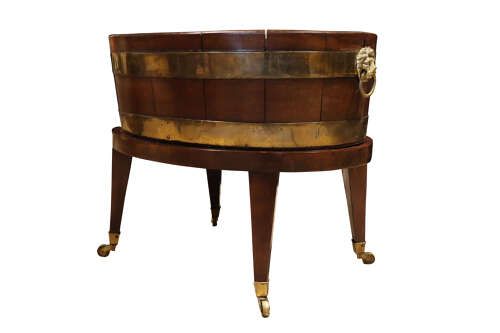
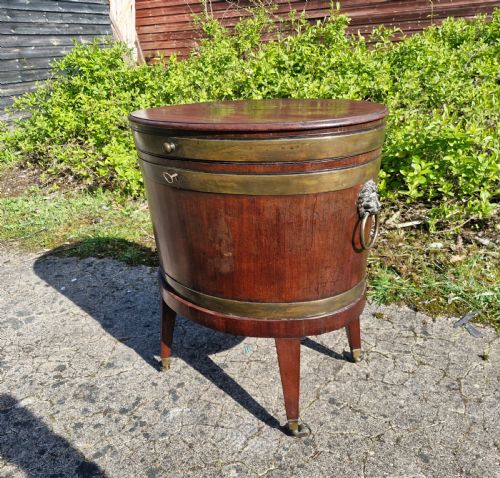
A lion mask cellarette serves as a dedicated vessel for chilling and storing wine, appearing primarily in Georgian, Regency, and later revival forms. These items emerge in diverse shapes, including oval tubs, sarcophagus forms, and coopered cylinders designed to sit proudly beneath sideboards or upon dedicated stands.
Buyers encountering this search phrase find timber containers built to hold bottles securely during grand dining occasions. Many examples double as planters or jardinières, reflecting how later owners repurposed these sturdy wooden receptacles.
The surviving pieces bridge the gap between functional dining room equipment and architectural sculpture. They bring tangible history into contemporary interiors through their robust proportions and classical decorative vocabulary.
Materials and Construction
Makers relied heavily on rich mahogany, often selecting figured or flame grains for maximum visual impact. Boxwood inlay frequently provides crisp geometric contrast against the dark timber ground.
Metal components form an integral part of the structure, utilising brass for banding, handles, and mounts. Lead, zinc, and other metals line the interior compartments to contain ice and meltwater without rotting the surrounding wood.
Coopered construction methods ensure the barrel-shaped and oval vessels remain watertight and structurally sound under heavy loads of wine and ice. Brass binding hoops encircle the staves, adding both structural reinforcement and decorative rhythm.
Listings feature mahogany, brass, zinc, and boxwood inlay across Georgian, Regency, and Edwardian periods.
Judging Quality and Craftsmanship
Timber selection and veneer matching reveal the original ambition of the workshop. Superior items display continuous, well-chosen grain patterns across curved surfaces and lid panels.
Internal integrity and original hardware preservation influence the standing of any given piece. Well-maintained metal linings and sturdy stands indicate careful historical use and superior joinery.
The Lion Mask Cellarette Glossary
- Cellarette
- A lockable container used for storing wine bottles near the dining table. They evolved from simple wooden boxes into elaborate architectural furniture pieces during the eighteenth and nineteenth centuries.
- Coopered
- Built using wooden staves joined side by side and bound by metal hoops, much like a traditional barrel. This technique provided the strength needed for liquid-holding vessels.
- Sarcophagus
- A monumental coffin-shaped furniture form popular during the Regency period. These vessels often feature peaked lids and substantial paw or bracket feet.
- Jardiniere
- An ornamental container designed to hold potted plants or flowers. Many historic wine coolers were later converted to this domestic use.
Lion Mask Cellarette: Frequently Asked Questions
What is a lion mask cellarette used for?
These vessels originally held wine bottles and ice in the dining room during grand meals. Servants would load the interior with ice to keep vintages chilled before pouring.
Today, owners frequently repurpose them as planters, umbrella stands, or striking decorative accents in living spaces and hallways.
How do I tell an original Georgian cellarette from a later revival?
Examination of the timber shrinkage, interior linings, and construction marks reveals the true age of the piece. Georgian items display hand-cut joinery and period-appropriate hardware.
Revival pieces from the Victorian or Edwardian eras often show machine-sawn elements and different ageing patterns on the brass mounts.
Are these wine coolers difficult to care for in a modern home?
Mahogany surfaces require simple dusting and occasional wax application to maintain their rich sheen. Keeping the wood away from direct heat sources prevents timber splitting.
If using the interior for plants, placing a modern plastic liner inside protects the historic wood and metal from moisture damage.
Why do some cellarettes have stands while others do not?
Floor-standing models often took the form of sarcophaguses or heavy chests that sat directly on the carpet. Smaller vessels required dedicated wooden stands or tables to bring them to a convenient working height.
These stands were either made concurrently with the main body or added during subsequent decades to alter the proportion of the piece.