

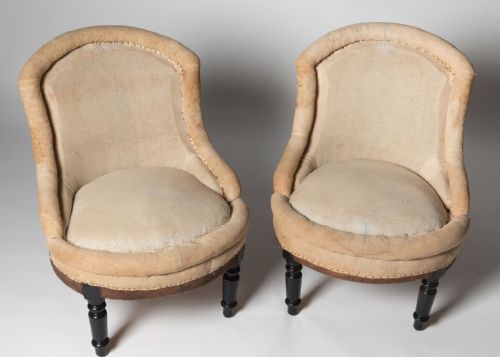
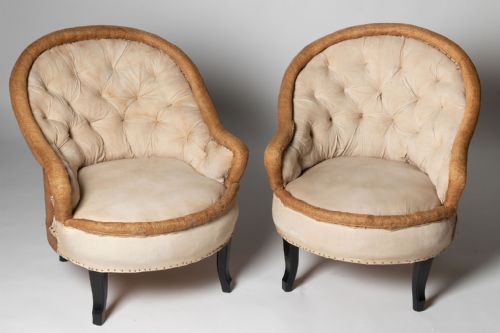
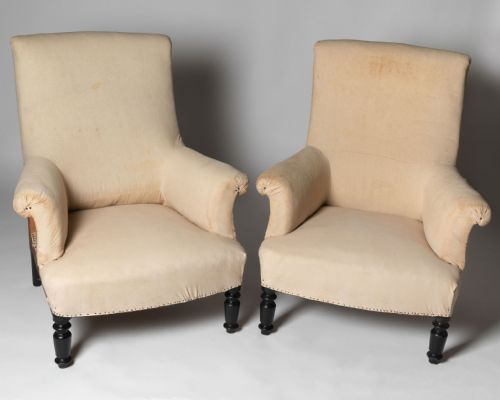
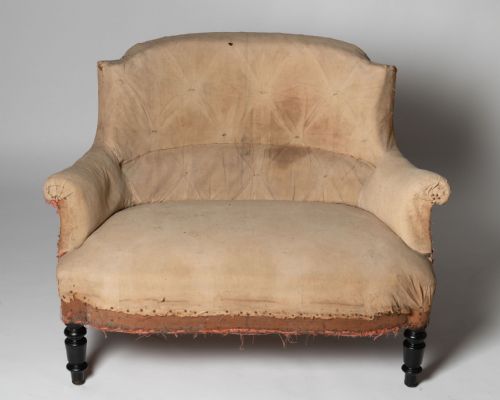
Linen Armchair
A linen armchair brings tactile texture and historic form into a room, spanning periods from the eighteenth century to the twentieth.
Linen Armchair
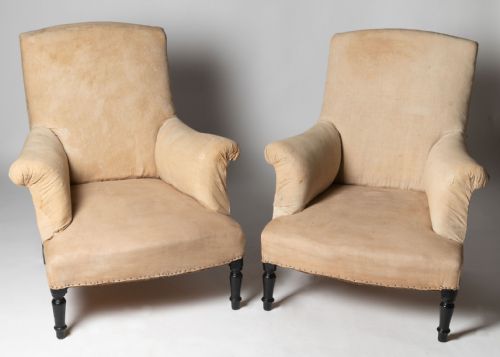
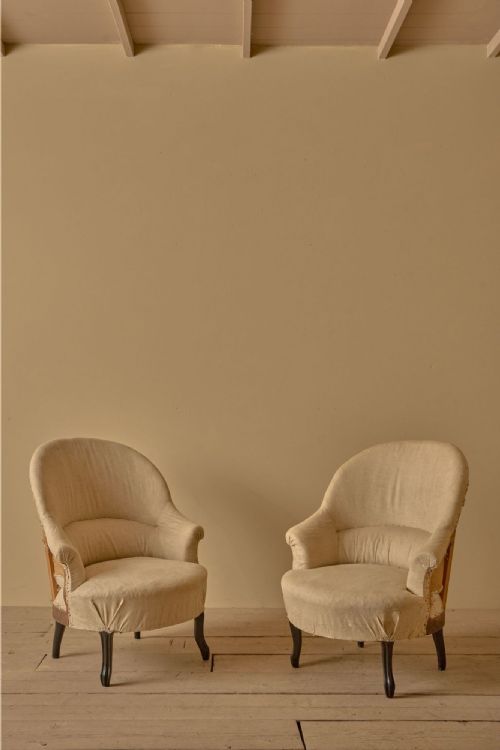
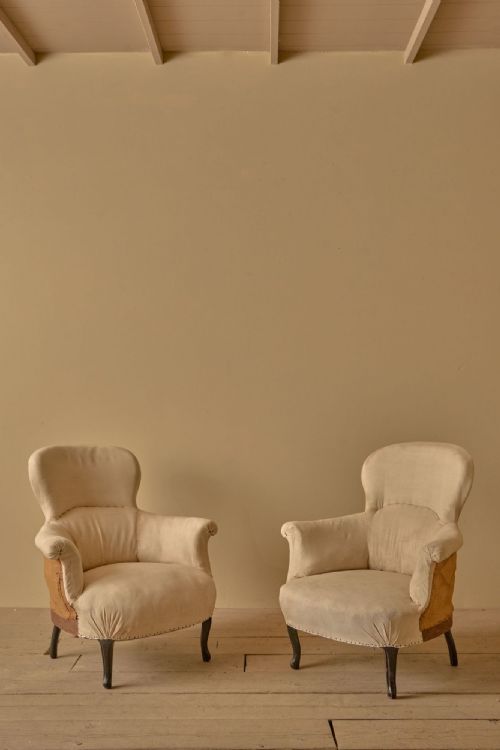
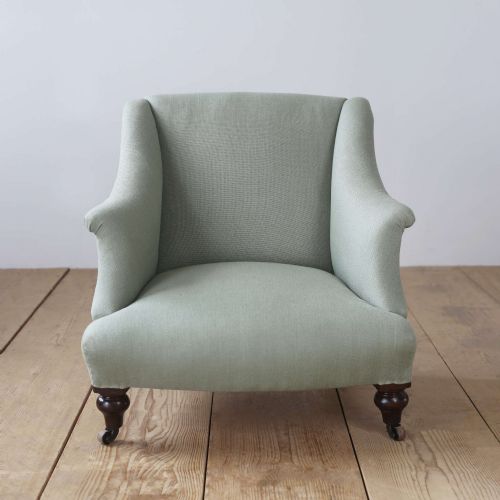
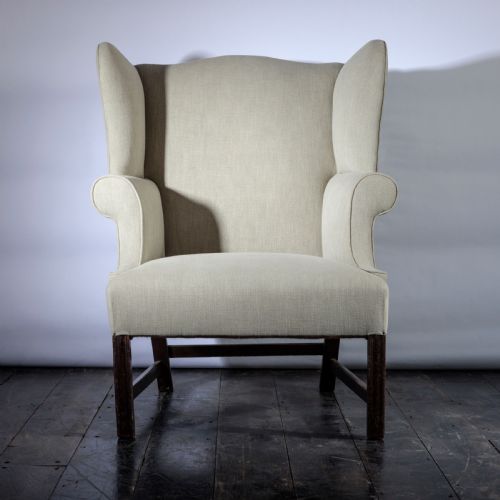
A linen armchair combines structural timber frames with woven textile upholstery, creating a comfortable seat for reading, lounging, or fireside use. When searching for a linen armchair, buyers encounter various historical styles ranging from eighteenth-century Gainsborough chairs to Victorian wingbacks and French Napoleon III tub chairs.
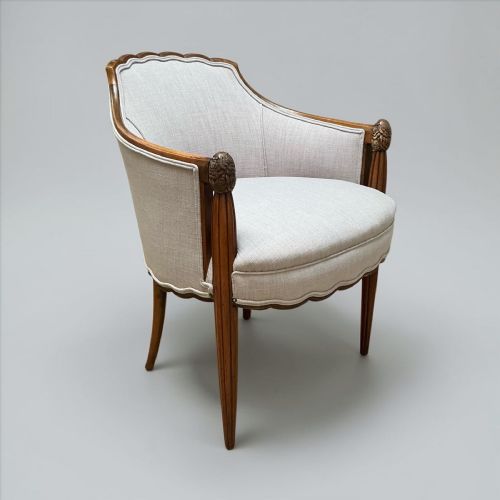
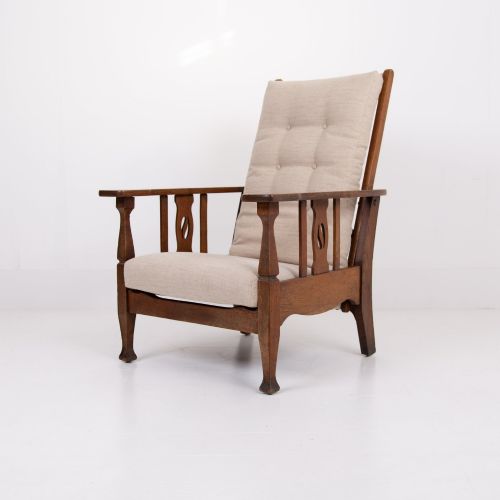
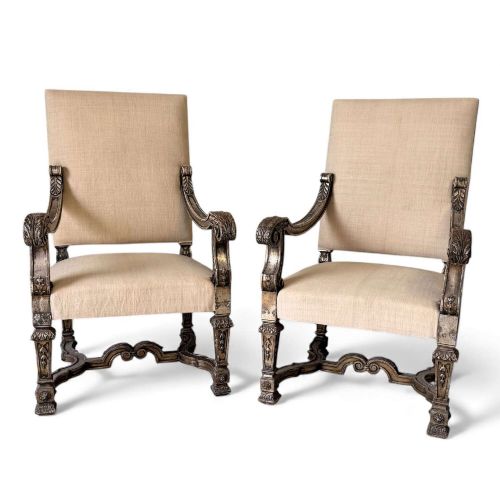
The selection includes petite open armchairs, large club chairs, and matching pairs upholstered in neutral or patterned linen, calico, and hessian. These pieces often feature exposed wood frames made from mahogany, walnut, oak, or giltwood that complement the softer fabric upholstery.
Materials and construction
Makers built the structural frames of these armchairs using sturdy hardwoods such as mahogany, walnut, and oak, often incorporating carved details, brass accents, or painted finishes. Traditional joinery techniques ensured stability for load-bearing arms and legs over centuries of use.
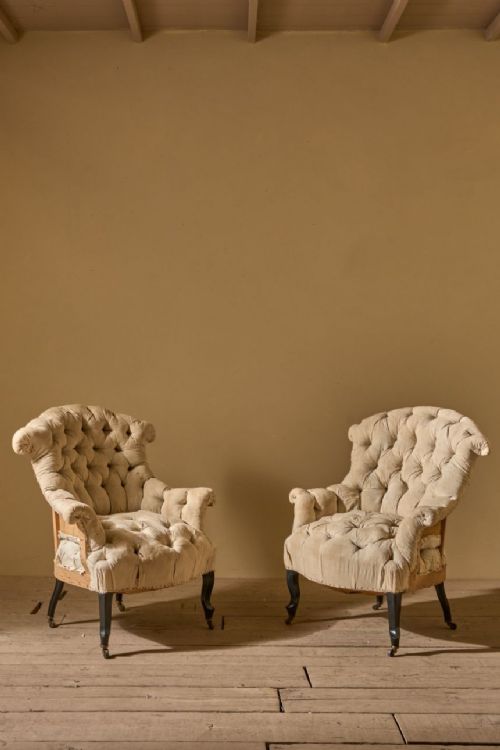
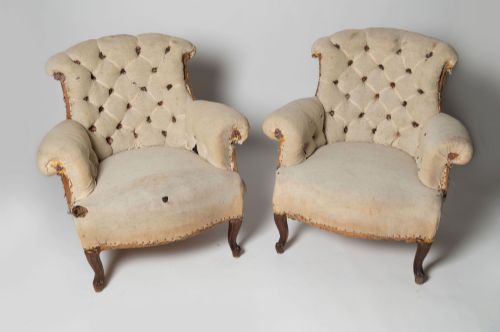
Upholstery layers typically relied on natural stuffing materials contained beneath durable outer textiles like linen, calico, and hessian. Deep buttoning, tacked edges, and sprung seats provided the underlying support and comfort characteristic of period seating.
Linen Armchair Retail Price Guide 2026
Typical asking prices for linen armchair among the pieces listed under this phrase on Sellingantiques today, from the lower quarter to the upper quarter. They describe what is for sale here now, not the wider market.
The inventory includes specialised forms such as Gainsborough chairs, porter's chairs, and French fauteuils spanning the Edwardian, Victorian, and Georgian eras.
Judging quality in historic seating
The distinction between ordinary and superior examples lies in the integrity of the wooden frame, the precision of the carving, and the balance of proportions. Finer pieces display crisp architectural lines in styles like Hepplewhite or Régence, whereas simpler vernacular chairs prioritize utility over ornament.
Quality also depends on the fidelity of the upholstery to historical methods, where hand-tacked linen and careful pattern matching elevate the finished piece. Original timber patination and retained structural rigidity without excessive repair further separate museum-grade pieces from standard workshop output.
Howard and Sons·William Birch
The Linen Armchair Glossary
- Gainsborough armchair
- An eighteenth-century open-framed armchair with padded armrests and a wide seat designed for comfort during writing or reading.
- Fauteuil
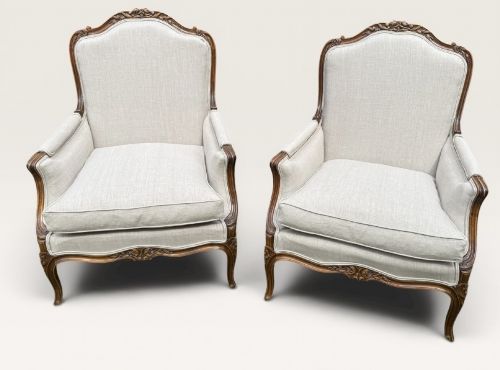
- A French open-arm armchair with upholstered back and seat, typically featuring an exposed wooden frame carved in styles like Louis XV or Régence.
- Wing armchair
- A high-backed chair with sheltering side panels designed to block draughts and retain fireplace heat around the sitter's head.
- Bergere
- An enclosed upholstered armchair featuring exposed wooden framing and cane or upholstered sides.
- Slipper chair
- A low-seated upholstered chair originally designed for use in a bedroom while dressing.
Linen Armchair: Frequently Asked Questions
How do I identify an eighteenth-century wing armchair?
Eighteenth-century wing armchairs typically feature hand-carved mahogany or walnut legs, often in cabriole forms with pad or ball-and-claw feet. The proportions tend to be robust, with structural framing hidden beneath traditional horsehair stuffing and linen covers.
Examining the underside reveals hand-cut joinery and aged timber patination consistent with eighteenth-century cabinetmaking practices. The wings themselves curve outward organically to block draughts effectively.
Can I use a vintage linen armchair daily?
Historic armchairs built with solid hardwood frames and sturdy natural textiles are designed for practical seating. Many pieces have undergone restoration and reupholstery to ensure the internal webbing and springs withstand modern use.
Placing the chair away from direct sunlight preserves the tensile strength of vintage linen upholstery. Regular gentle vacuuming maintains the textile surface without damaging the underlying fibres.
How do I date a Victorian wing back chair?
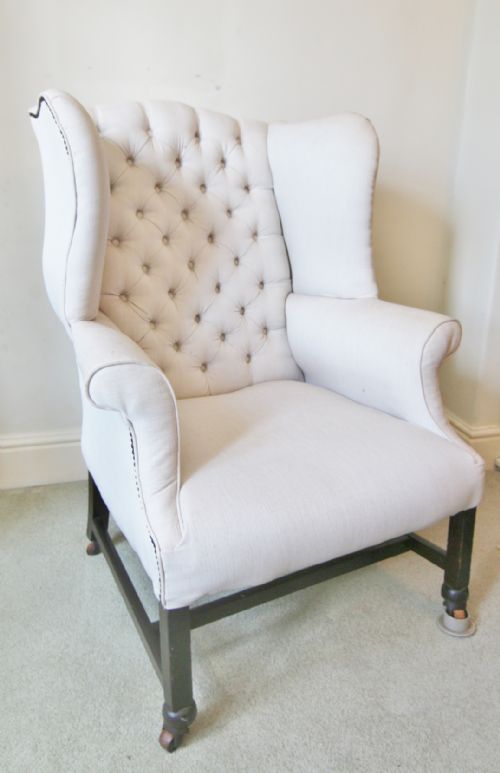
Victorian wing back chairs often display deep buttoned upholstery and turned wooden legs fitted with brass castors. The scale is typically generous, reflecting the comfort-oriented domestic interiors of the nineteenth century.
Stylistic cues draw inspiration from earlier Georgian and Rococo revivals while employing nineteenth-century industrial manufacturing techniques for internal springs. The combination of heavy timber frames and dense stuffing distinguishes these pieces from lighter Edwardian examples.