

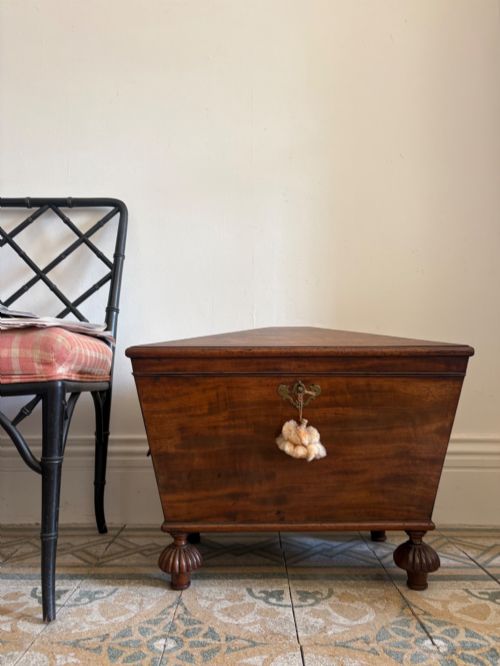


Lined Wine Cooler
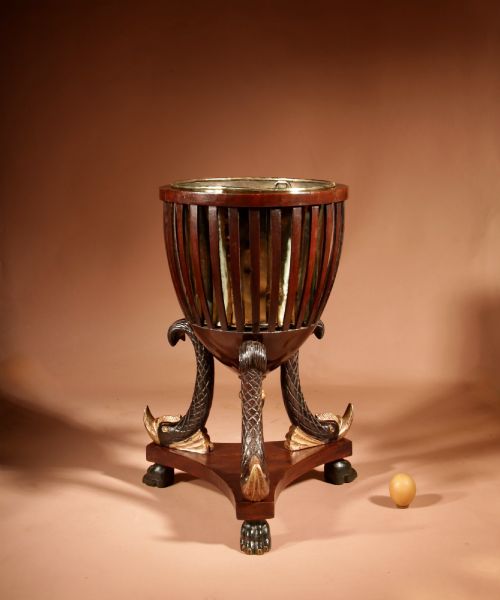
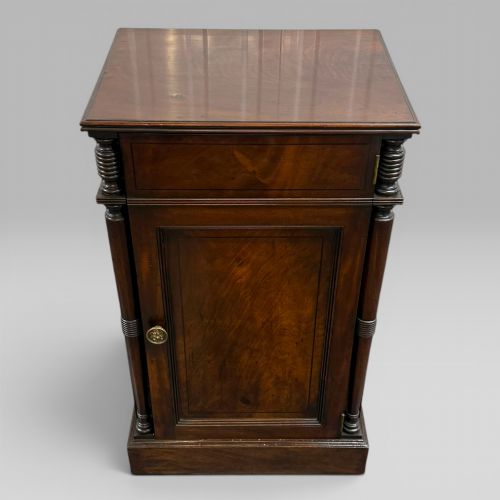
A lined wine cooler is a timber vessel designed to chill bottles, appearing here in Georgian and Regency mahogany with watertight interiors.
Lined Wine Cooler
A lined wine cooler is a sturdy timber vessel designed to hold ice and bottles at the dining table, appearing in forms ranging from octagonal buckets to heavy sarcophagi. When searching for a lined wine cooler, buyers encounter pieces primarily from the Georgian, Regency, and Victorian eras, alongside Dutch and French examples.
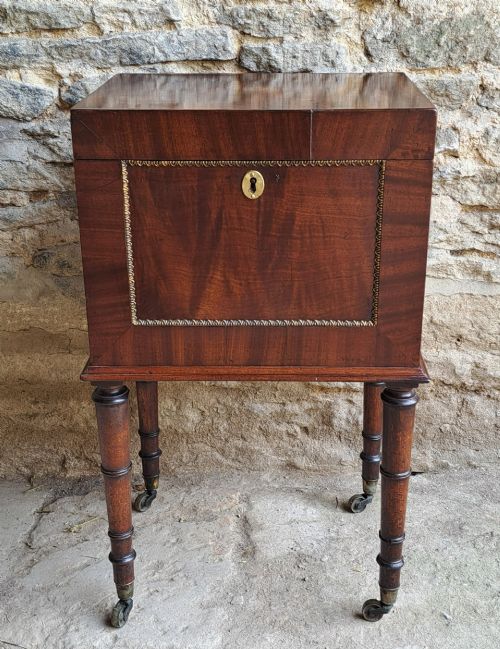
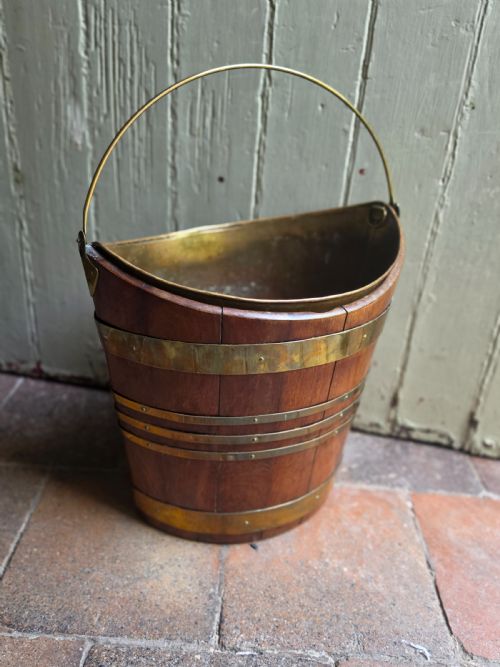
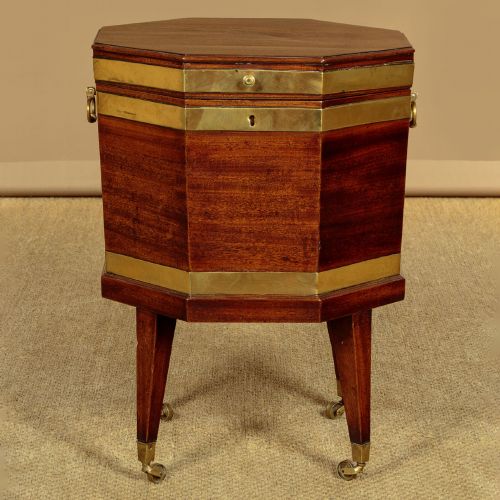
The most common form on this page is the mahogany cellarette or bucket, frequently bound in brass and fitted with metal interiors to hold ice safely. These vessels bridge the gap between functional dining room equipment and cabinetmaker's art.
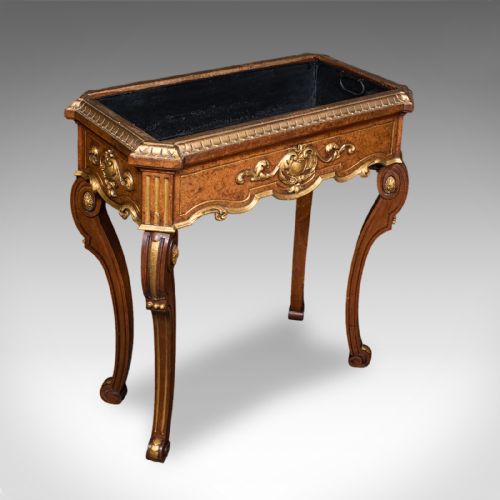
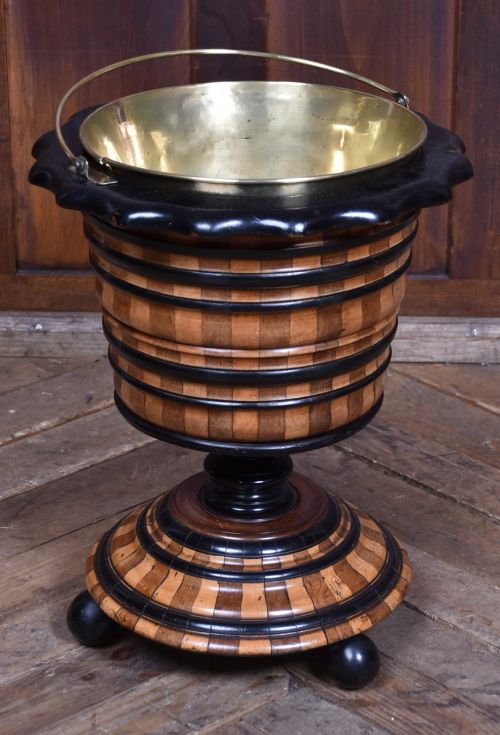
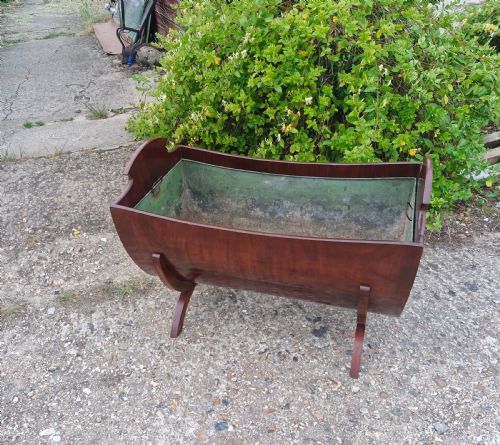
Beyond standard cellarettes, the selection includes peat buckets, tea stoves, and planters that share the same coopered construction and waterproof linings. These alternative forms reflect the versatile nature of deep timber containers in historical domestic interiors.
How they were made
Cabinetmakers built these vessels using tight stave construction similar to barrel-making, often employing dense timbers like mahogany, walnut, and satinwood. This coopered method allowed the wood to expand when exposed to moisture without splitting the joints.
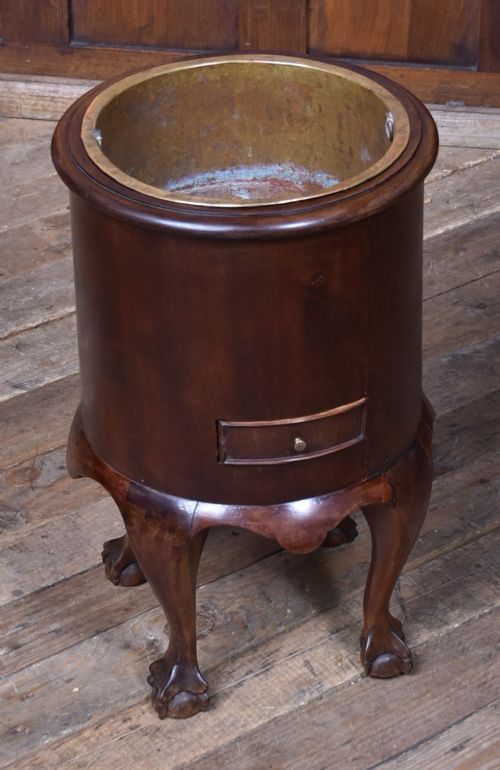
Interiors required protective linings of lead, zinc, or brass to contain melting ice and water without rotting the exterior wood. These metal inserts were soldered by hand, frequently featuring internal divisions for individual bottles.
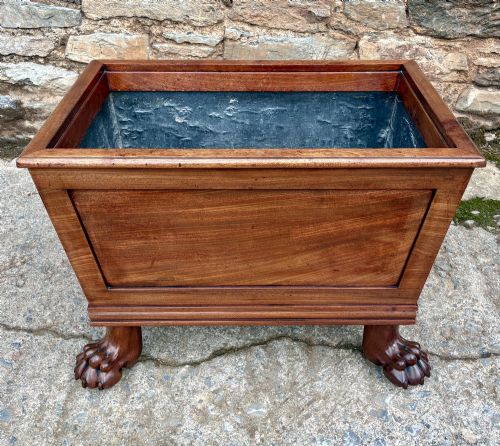
External ornamentation relied on brass hoops, drop handles, and paw feet, or delicate marquetry inlay in rosewood and box tree. The juxtaposition of warm timber and polished metal defines the visual grammar of the type.
Lined Wine Cooler Retail Price Guide 2026
Typical asking prices for lined wine cooler among the pieces listed under this phrase on Sellingantiques today, from the lower quarter to the upper quarter. They describe what is for sale here now, not the wider market.
Listings feature mahogany, walnut, and ebonised wood paired with brass, lead, and zinc linings across the Georgian and Victorian eras.
What varies in quality
Quality rests in the integrity of the timber selection and the precision of the cooperage, where tight stave joints dictate longevity. Finer pieces display carefully chosen grain patterns that wrap continuously around the curved body.
The treatment of the metal liner marks the difference between standard production and exceptional workshop output. Original lead or brass liners fitted flush to the rim demonstrate a higher grade of bespoke domestic hardware.
Carved details, such as paw feet or reeded bases, separate simple utility items from high-status drawing room pieces. The crispness of the joinery and the weight of the original brass mounts signal the standing of the original commission.
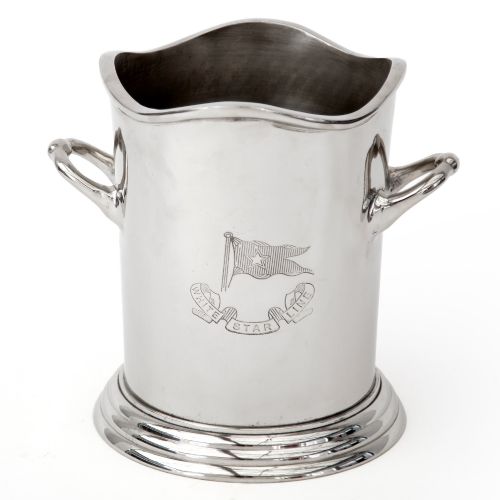
Gillows·Thomas Hope·White Star Line
The Lined Wine Cooler Glossary
- Cellarette
- A lockable container used for storing wine bottles near the dining table. They frequently stand on short legs or castors for mobility.
- Coopered
- Built from vertical wooden staves bound together by metal hoops, following traditional barrel-making techniques. This method provides structural strength for heavy containers holding wet contents.
- Sarcophagus
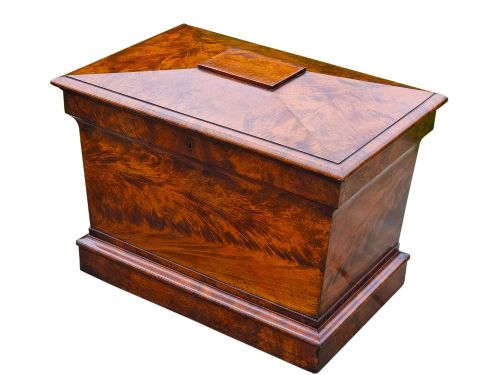
- A monumental container shape featuring a domed lid and tapering sides, popular during the Regency period. These large pieces often rest on carved paw feet.
- Teestoof
- A Dutch warming vessel used to heat tea equipment, sometimes adapted with a metal liner to function as a small planter or cooler. They showcase marquetry and turned wooden elements.
- Jardiniere
- An ornamental stand or container designed to hold potted plants or flowers. In this context, they share forms and waterproof linings with wine coolers.
Lined Wine Cooler: Frequently Asked Questions
How were these coolers used?
Servants filled the internal lead or zinc compartments with ice and water to chill wine before it reached the table.
They stood within easy reach of the dining host, doubling as decorative furniture when empty.
Are the metal liners original?
Many pieces retain their early lead, zinc, or brass liners, which show appropriate wear from ice and water.
Original linings add historical integrity to the vessel, though replacements occurred during centuries of active use.
How do I distinguish a cellarette from a planter?
Cellarettes often feature internal divisions for bottles and sometimes locking mechanisms to secure valuable vintages.
Planters and jardinieres share similar wooden bucket forms but generally lack bottle partitions and frequently show soil staining.