


Linden Wood Carving
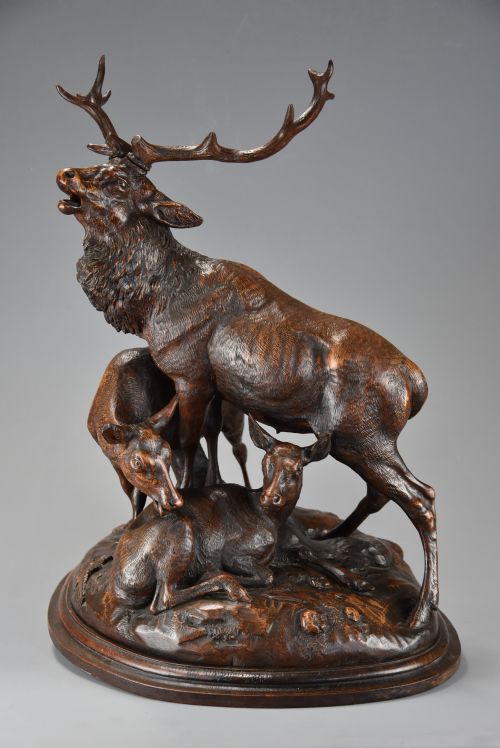
These linden wood carving works are finely worked animal sculptures and functional furnishings from the Black Forest and Swiss traditions, bringing rich texture to a room.
Linden Wood Carving
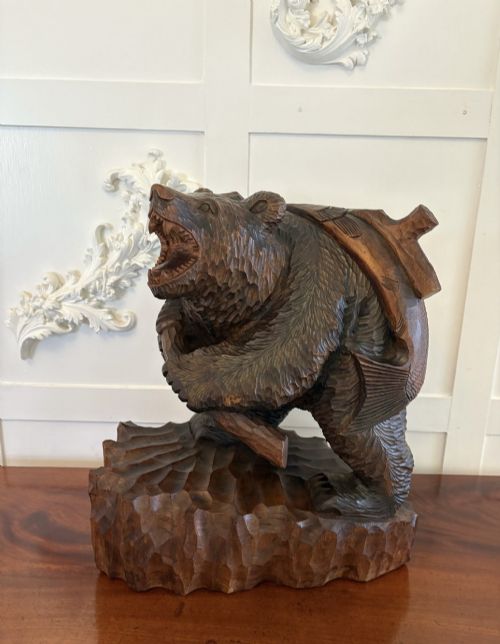
When you search for linden wood carving, you encounter animal sculptures and practical household objects rooted in the Black Forest and Swiss folk art traditions. The selection spans the Victorian, Edwardian and early twentieth century periods, running from eighteen seventy through to nineteen twenty.
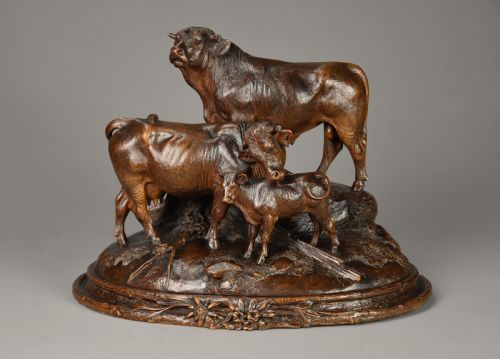
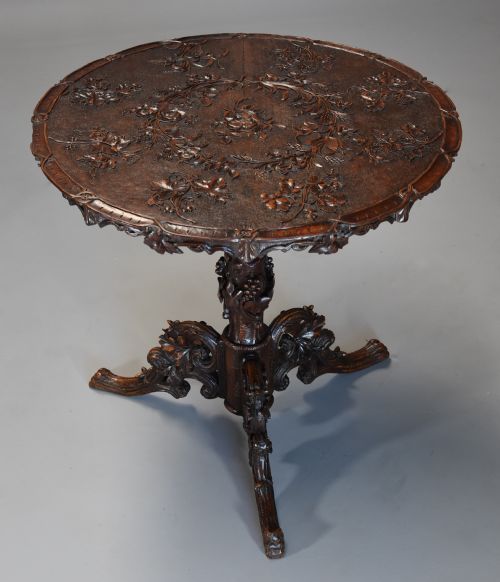
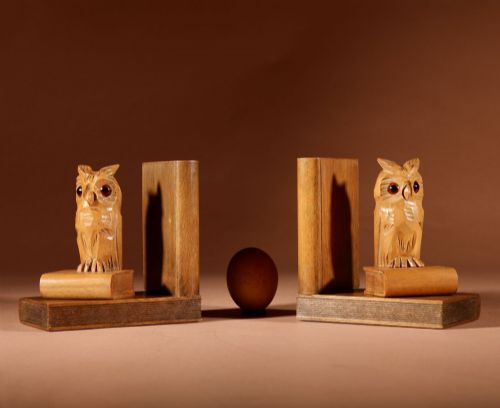
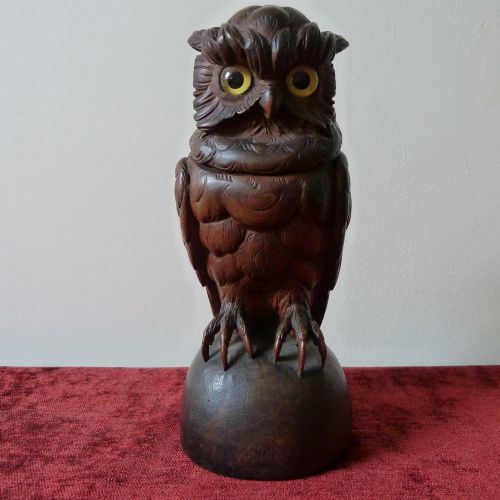
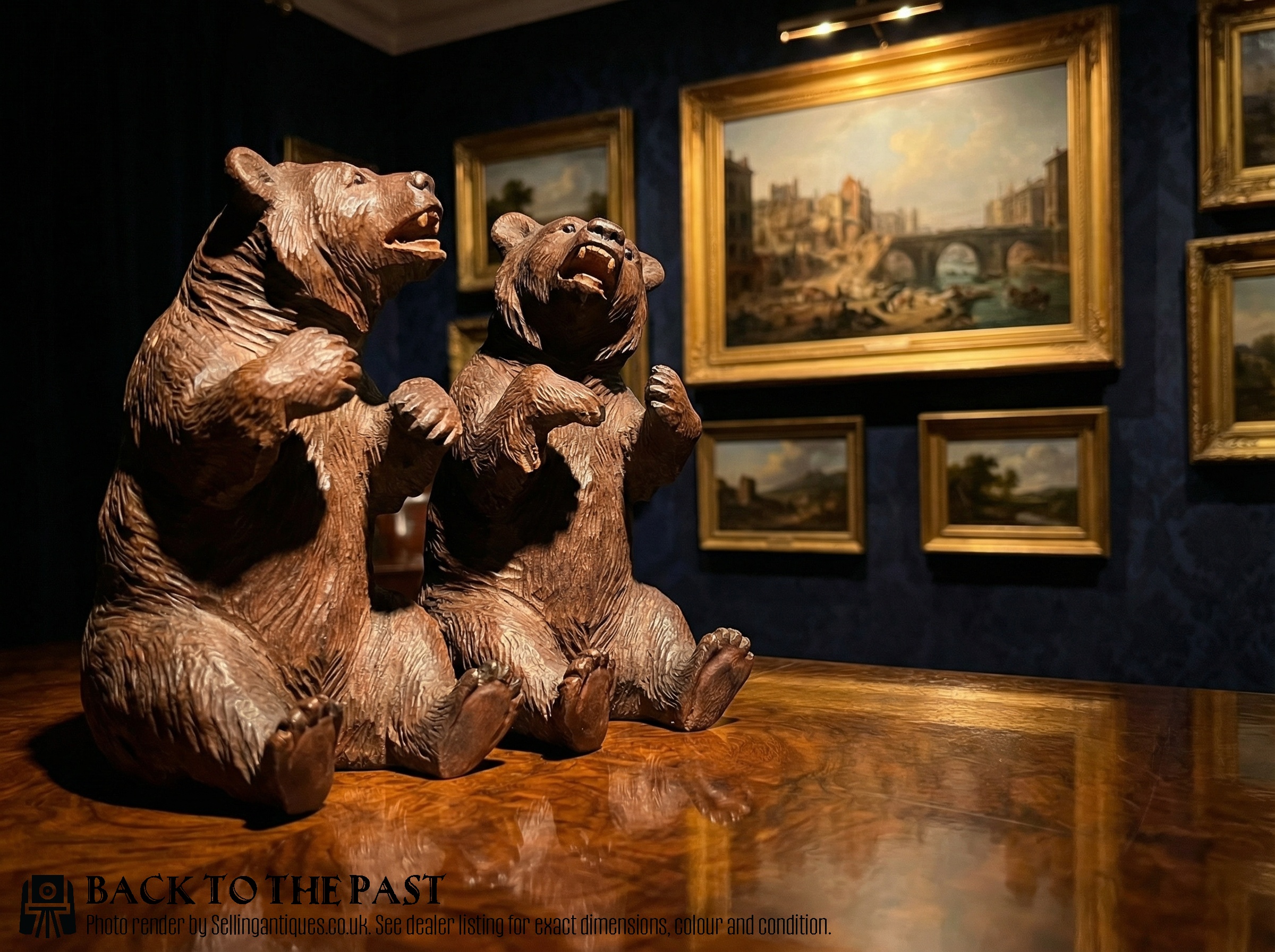
You are most likely to meet bears rendered in various forms, alongside owls, deer, dogs, cats, cattle and eagles. These creatures appear as freestanding sculptures, bookends, inkwells, table lamps, clocks, humidors, mirrors, hall stands, centre tables and coat stands.
The objects combine naturalistic animal forms with utilitarian purposes, such as inkwells with glass inserts or tables with carved wooden bases. Pieces often reflect specific regional styles, including Swiss Black Forest and Japanese folk art influences.
What varies in quality
The standard of linden wood carving is determined by the depth and ambition of the carving, distinguishing profile pieces from profusely carved, fully rendered animal groups. Anatomical precision and liveliness in the depiction of bears, deer and birds separate master carvers from standard workshop production.
Scale and complexity dictate the upper tier, where large centre tables, hall stands and complex multi-animal groups demonstrate superior mastery over smaller, simpler bookends or single inkwells. The integration of secondary materials like glass eyes or antler mounts with the carved wood also marks the distinction.
Bears double as librarians, holding up your books with heavy wooden paws.
J Huggler·Bergen and Co
The Linden Wood Carving Glossary
- Black Forest
- A style of wood carving originating in the mountainous regions of Switzerland and Germany, renowned for naturalistic depictions of local fauna.
- Linden wood
- A pale, close-grained hardwood favored by carvers for its softness and ability to hold intricate, delicate detail without splitting.
- Humidor
- A specialised box or container designed to keep tobacco moist, frequently fashioned here as a carved brown bear.
- Centre table
- A freestanding table designed to be viewed from all sides, often featuring a base carved with naturalistic animal or foliage motifs.
Linden Wood Carving: Frequently Asked Questions
What is linden wood carving?
Linden wood carving refers to three-dimensional animal sculptures and decorative furnishings produced largely in the nineteenth and early twentieth centuries. These objects combine artistic woodcraft with practical items like inkwells and tables.
The style is heavily associated with the Black Forest region, utilising soft linden timber to render bears, deer and dogs with lifelike textures. Artisans carved these pieces by hand to serve both ornamental and everyday functions.
How were these carved items used?
Many of these pieces served practical domestic functions alongside their decorative appeal. Bears held glass inkwells, while larger animals supported tables, mirrors, clocks and hall stands.
Others functioned as bookends, table lamps, humidors for tobacco, or coat and hat stands in hallways. They brought nature-themed utility into Victorian and Edwardian homes.
How do I date a linden wood carving?
Dating relies on stylistic clues, period materials and mechanics, such as nineteenth-century brass hinges or early electric lamp conversions from the nineteen twenties. Victorian and Edwardian pieces often exhibit distinct regional motifs and maker stamps.
Archival records and construction methods help narrow the origin down to specific decades between eighteen seventy and nineteen twenty. The presence of secondary elements like specific glass inserts also aids in chronology.
Where did Black Forest carvings originate?
These carvings originated in the mountainous areas of Central Europe, specifically Switzerland and the South German Black Forest region. Local woodcarvers developed the trade to supply tourists with souvenirs depicting native wildlife.
The craft evolved from cottage industries into sophisticated workshops producing large furniture and detailed sculptures. Japanese folk art influences also touched certain designs during the late nineteenth century.