
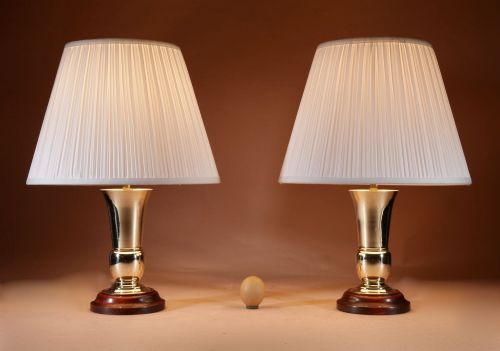
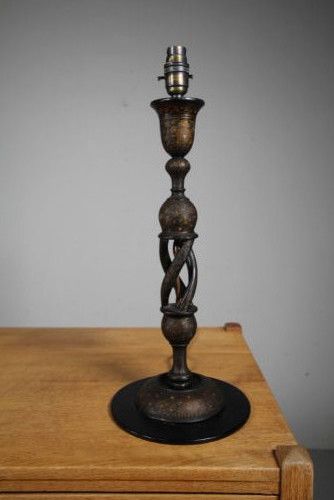
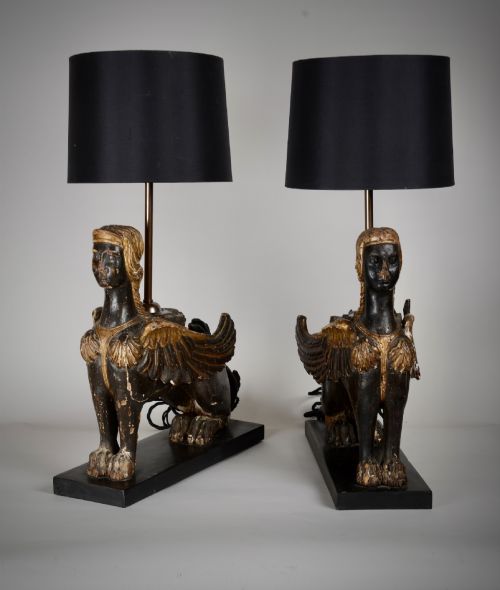
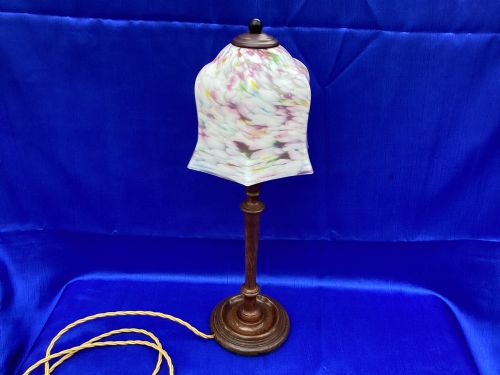
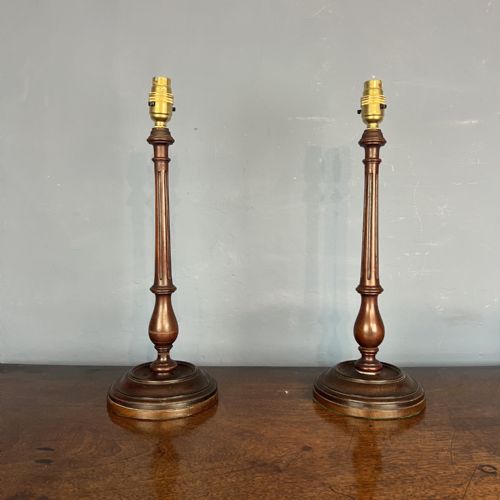
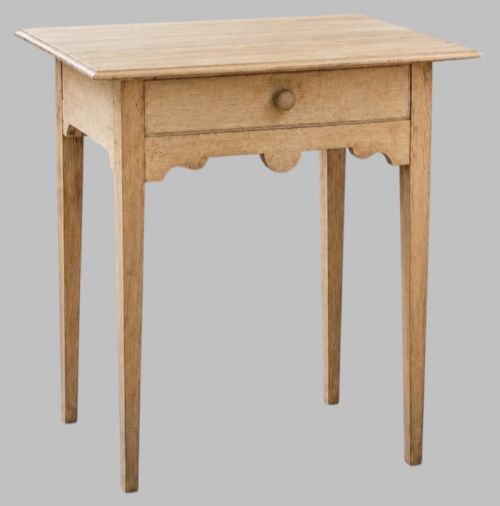
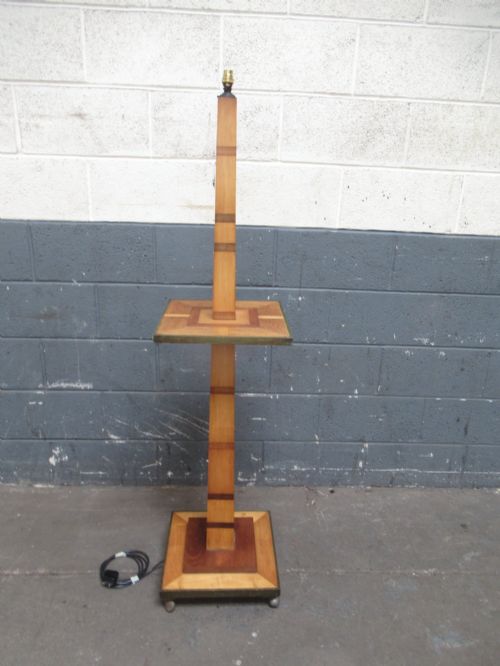
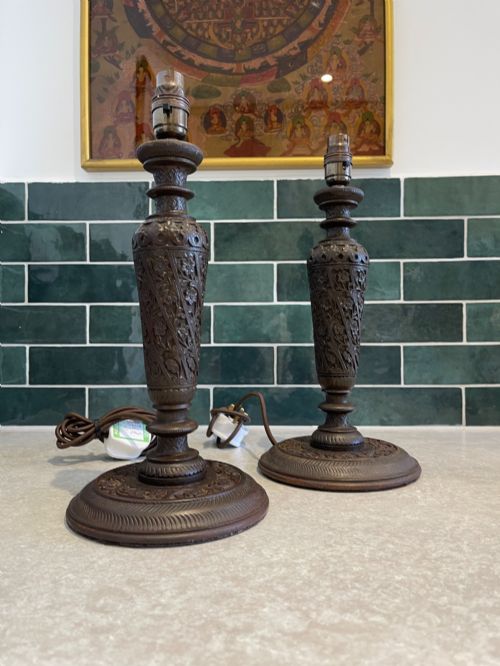
Light Wood Lamp Tables
Light wood lamp tables bring warm grain and practical surface area to a room, uniting functional illumination with historical cabinet-making.
Light Wood Lamp Tables
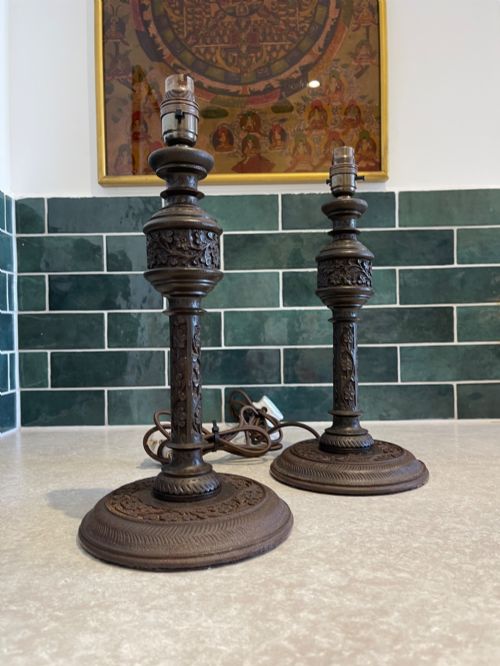
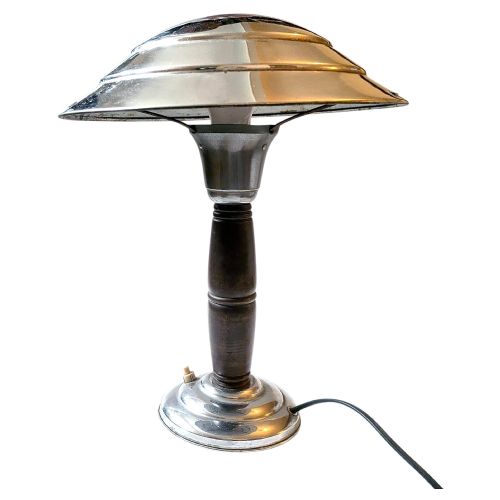
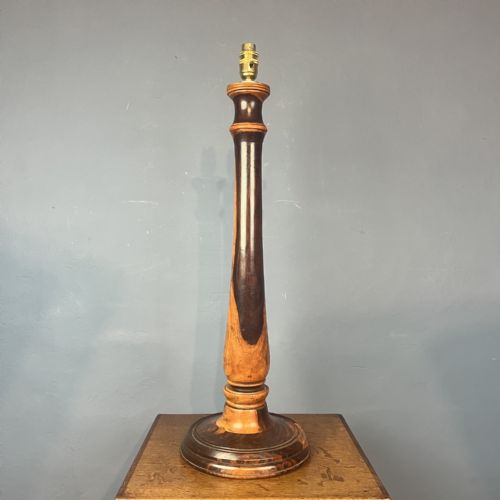
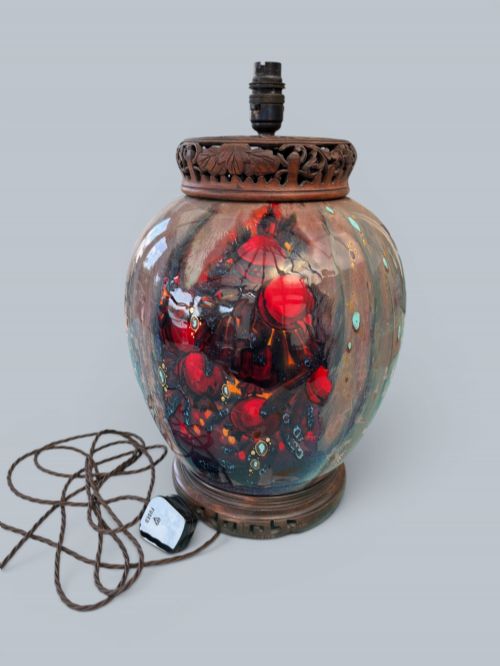
The selection ranges from oak and birch side tables to carved wooden lamp bodies finished in lighter tones. Buyers encounter both utilitarian furnishings and decorative objects adapted from earlier furniture forms.
Assessing quality and execution
Quality rests upon the crispness of the carving, the selection of the timber and the integrity of the original form. Pieces demonstrating refined proportions and deliberate detailing stand apart from standard utilitarian items.
The sophistication of surface finishes, whether original gilding, subtle lacquering or careful bleaching, dictates the aesthetic standing of the object. Structural stability in both the timber frame and the electrical integration underpins the physical execution.
The inventory spans eight distinct periods, reaching from the seventeenth century through to the Art Deco era of the 1930s.
The Light Wood Lamp Tables Glossary
- Bleached oak
- Timber treated to lighten its natural tone, a finish seen on various mid-eighteenth-century and later pieces. This process highlights the grain while modernising the overall appearance.
- Giltwood
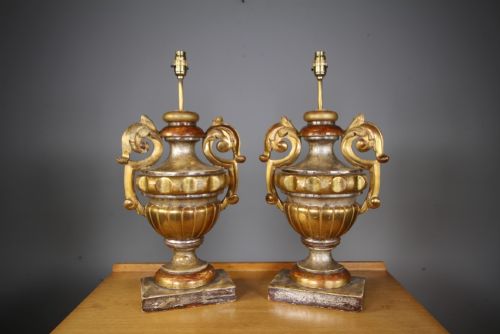
- Wood that has been coated with gold leaf or gold paint for decorative effect. It appears frequently on carved bases and converted candlesticks.
- Linden
- A pale hardwood often utilised in detailed carving, particularly associated with Black Forest animal and figural sculptures adapted as lamps. The wood accepts fine chisel work without splitting.
- Meiji Period
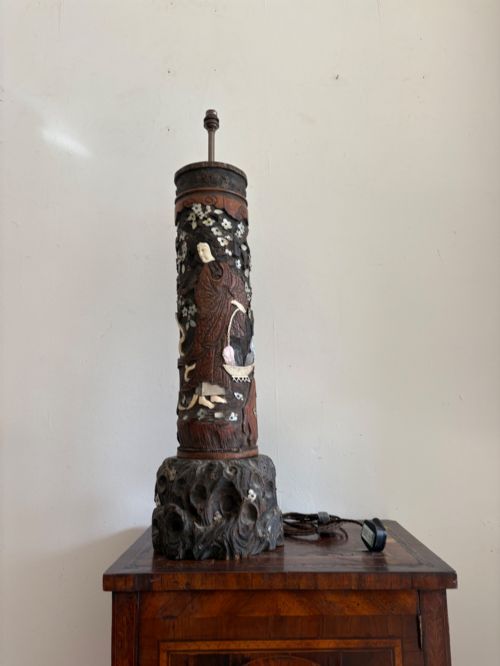
- The era in Japanese history spanning from 1868 to 1912, noted for intricate decorative arts such as carved brush pots later converted for lighting.
- Side table
- A small functional piece of furniture designed to stand against a wall or beside seating to hold lamps and small objects.
Light Wood Lamp Tables: Frequently Asked Questions
Are these tables and lamps genuine antiques?
The inventory spans multiple centuries, incorporating items from the eighteenth, nineteenth and early twentieth centuries alongside specific period revivals.
Each listing records its estimated era based on construction methods, materials and stylistic traits.
Can antique wooden lamps be used safely today?
Many older lamps have undergone rewiring to meet contemporary electrical standards while preserving the original wooden structure.
Buyers should examine the specific listing details to confirm the current wiring status before daily use.
How do I identify the wood type?
Identification relies on observing grain patterns, colour variations and density within the timber visible on the piece.
Commonly recorded woods include oak, birch, ash, pine and exotic hardwoods.
Where were these pieces manufactured?
Origins vary widely across regional English workshops, continental European makers and international import hubs such as Kashmir and East Asia.
Stylistic cues and material choices often point to the geographic region of production.