




Light Wood Dresser
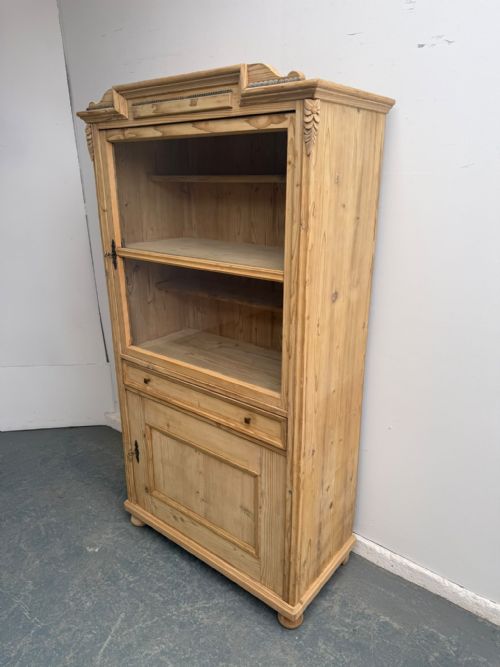
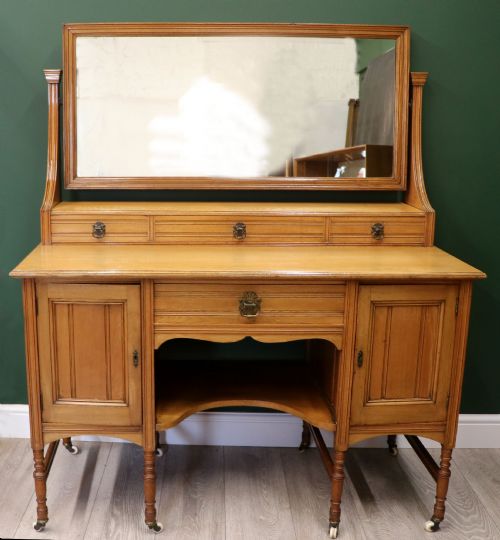
A light wood dresser brings warmth and natural grain into a room, spanning rustic pine, ash, and polished satinwood across multiple periods.
Light Wood Dresser
The selection on this page draws from the nineteenth century, the Edwardian era, and the art deco period, alongside regional styles such as French provincial, Swedish Biedermeier, and English country. Forms vary from simple ash chests and pine chiffoniers to carved oak dressers and satin walnut dressing chests.
Makers and workshops across Britain, France, Sweden, and beyond utilised paler woods like birch, ash, pine, and satinwood to create functional domestic furniture. These items serve equally well in modern minimalist interiors and traditional country houses, bringing historic utility and lightness to living areas.
How they were made
Construction relies heavily on solid timbers such as ash, pine, oak, and birch, often joined using traditional dovetail methods for drawer construction and sturdy mortise and tenon joints for frames. Many pieces incorporate decorative veneers like satinwood, walnut, and flame birch applied to secondary carcases to create striking grain patterns.
Surface finishes vary from polished French polish and wax to bleached treatments that enhance the natural lightness of the wood. Brass handles, iron hardware, and occasional bamboo or carved details add functional and decorative accents to the primary timber structures.
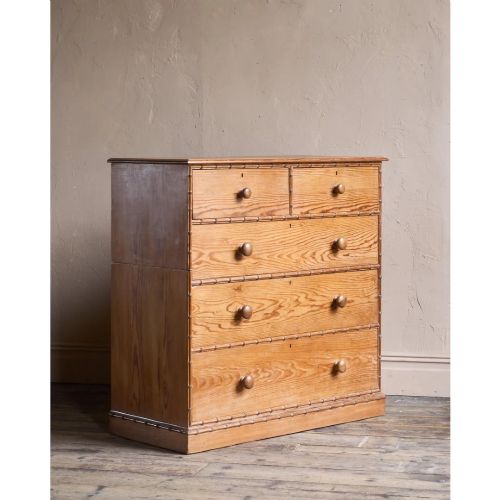
Some nineteenth-century makers utilised bamboo alongside ash, proving that Victorian designers enjoyed bringing a touch of the jungle indoors.
What varies in quality
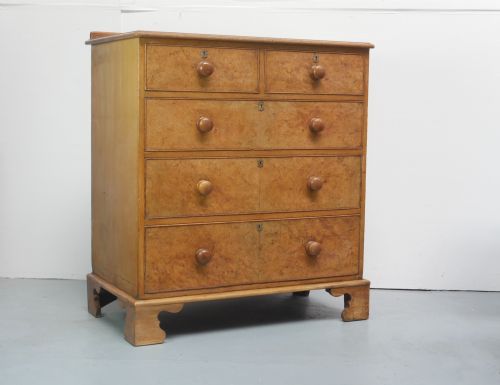
The standard of a light wood dresser depends upon the selection of timber, particularly where figured veneers like flame birch or burr ash are matched across drawer fronts. Superior examples display careful timber selection and harmonious grain patterns that elevate simple utilitarian forms.
Construction detail separates workshop standards, evident in the smoothness of drawer runners, the neatness of dovetail joints, and the integrity of original brass or iron fittings. Pieces retaining their untreated or appropriately bleached surfaces demonstrate superior preservation compared to heavily altered items.
Howard and Sons
The Light Wood Dresser Glossary
- Potboard dresser
- A traditional dining room or kitchen base featuring an open lower shelf for storing pots and serving dishes beneath upper drawers or display racks.
- Chiffonier
- A compact sideboard or low cabinet developed in the nineteenth century, typically featuring a combination of drawers and lower doors for discrete storage.
- Flame birch
- A distinctive Swedish and northern European timber veneer displaying a rippled, flame-like grain pattern prized for its decorative optical movement.
- Satinwood
- A hard, durable tropical timber with a lustrous, golden sheen that reflects light and provides a smooth, refined surface for fine cabinet making.
- Serpentine commode
- A chest of drawers or cabinet featuring a distinctive undulating front curve, requiring advanced woodworking skill to shape timber and drawers accurately.
Light Wood Dresser: Frequently Asked Questions
How do I clean a light wood dresser?
Dust regularly with a soft, dry cloth to prevent dirt accumulation on the timber surface. Avoid harsh chemical cleaners that strip traditional wax or polish finishes.
Apply a microcrystalline wax periodically to nourish dry wood and maintain a gentle protective sheen. Keep the furniture away from direct heat sources and strong sunlight to prevent timber warping.
Are light wood dressers suitable for modern bedrooms?
The neutral tones and natural grain of ash, pine, birch, and satinwood blend seamlessly with contemporary interior palettes. Their understated presence brightens smaller spaces without overwhelming the room.
Historical pieces from the nineteenth and early twentieth centuries provide practical storage while introducing texture and historical character to modern settings.
What is the difference between a dresser and a chest of drawers?
A traditional dresser typically combines lower storage cupboards or drawers with an upper display section or open potboard base. These items were designed primarily for dining rooms and kitchens to hold tableware.
A chest of drawers consists purely of stacked horizontal drawers intended for clothing and linen storage in bedrooms. Both forms share similar timber construction methods across the Victorian and Edwardian periods.
How can I tell if the wood is bleached?
Bleached wooden furniture exhibits a significantly lighter, sun-washed tone than its natural freshly cut state while retaining visible grain definition. This treatment removes dark pigments from oak, walnut, or pine.
Twentieth-century pieces and specific regional styles frequently utilised bleaching techniques to achieve a pale, uniform finish. Inspect hidden interior surfaces to compare the exposed exterior tone with original protected wood.