
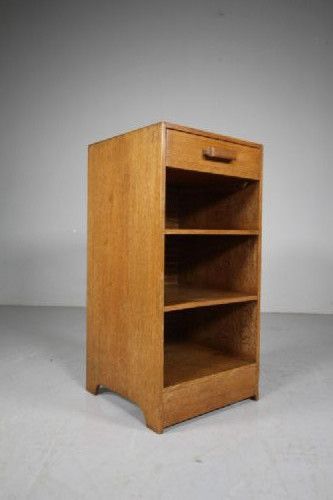


Light Oak Storage Cupboard
A light oak storage cupboard offers practical timber utility and calm, pale grain for daily domestic use.
Light Oak Storage Cupboard
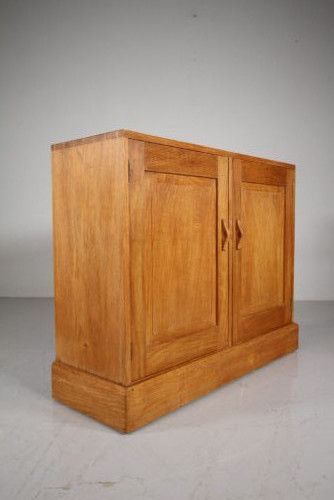
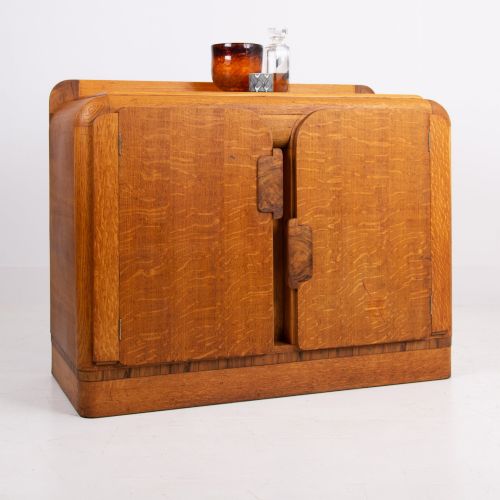
A light oak storage cupboard combines sturdy domestic utility with a pale timber surface that suits contemporary and traditional rooms alike. The selection on this page draws primarily from early twentieth-century workshops, Art Deco designers, and regional French traditions.
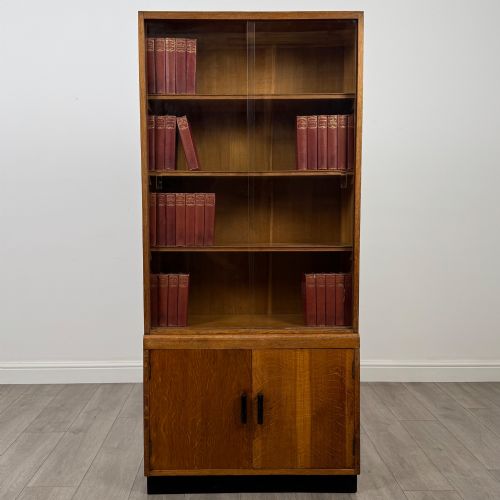
Buyers will encounter various forms spanning bedside cabinets, kitchen cupboards, sideboards, and glazed bookcases. These pieces range from simple Cotswold School designs to restrained French provincial two-door cupboards.
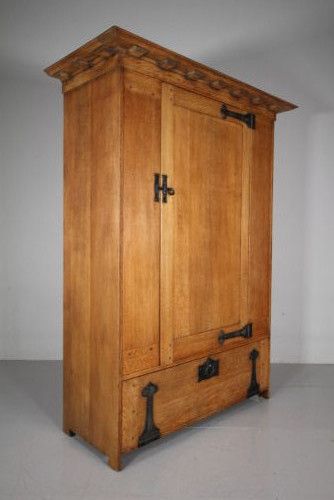
The material palette centres on oak, often presented in golden, limed, or bleached finishes that highlight the natural grain. Hardware in brass and iron provides functional contrast across the different periods represented.
What varies in quality
Quality rests in the integrity of the timber selection and the precision of the joinery rather than surface ornamentation alone. Pieces originating from known workshops display superior timber thickness and careful attention to structural proportion.
The refinement of carved details and the originality of brass or iron hardware distinguish standard utility furniture from pieces produced by notable makers. Finish applications also differ, ranging from basic varnishes to sophisticated limed or bleached surfaces.
Listings feature oak predominantly, supported by occasional instances of ash and walnut alongside brass and wrought iron hardware.
Heals of London·Gomme
The Light Oak Storage Cupboard Glossary
- Limed oak
- Timber treated with a white pigment or lime to highlight the open grain and lighten the overall colour. This finish was particularly popular during the early twentieth century.
- Cotswold School
- An influential design movement rooted in the Arts and Crafts tradition, focusing on honest construction and simple, robust forms. Pieces from this circle often display hand-finished details.
- Bleached oak
- Wood that has been chemically treated to reduce its natural warmth and create a pale, neutral surface. This technique suits the restrained aesthetics of mid-century and modern interiors.
- Sideboard
- A long low piece of furniture traditionally used for storing dining utensils and serving food. In modern settings, it functions equally well as a general storage cabinet in a living space.
- Art Deco
- A design style emerging in the early twentieth century characterised by geometric lines, stylised motifs, and sleek forms. Furniture from this period balances utility with modern decorative appeal.
Light Oak Storage Cupboard: Frequently Asked Questions
How do I date a light oak cupboard?
Dating relies on observing construction methods, hardware styles, and timber treatments characteristic of specific decades. Early twentieth-century pieces often display Cotswold School influence or Art Deco geometry, while nineteenth-century examples show heavier framing.
Examining the interior timber and joining techniques helps confirm the period when the piece was built.
Are these cupboards suitable for small rooms?
The pale tone of light oak naturally reflects light and prevents large furniture from dominating a compact space. Many examples on this page are modest in scale, such as bedside cabinets and small sideboards.
Measuring the floor space and door clearance ensures the chosen cupboard fits comfortably in hallways or bedrooms.
How should I care for bleached oak?
Bleached and limed surfaces benefit from regular dusting with a soft, dry cloth to prevent dirt settling into the open grain. Avoid harsh chemical cleaners that can strip the pale finish from the timber.
Applying a clear, colourless wax occasionally will nourish the wood without altering its light tone.
What is the difference between a sideboard and a storage cupboard?
Sideboards are typically broader and lower, designed traditionally for dining rooms with a combination of cupboards and drawers. General storage cupboards tend to be taller and deeper, focusing purely on enclosed shelving for household items.
Both serve flexible organisational roles in modern living areas depending on available wall space.