



Light Baluster Glass
These light baluster glass vessels are sophisticated drinking glasses and wine goblets from the Georgian era designed to elevate any table setting.
Light Baluster Glass
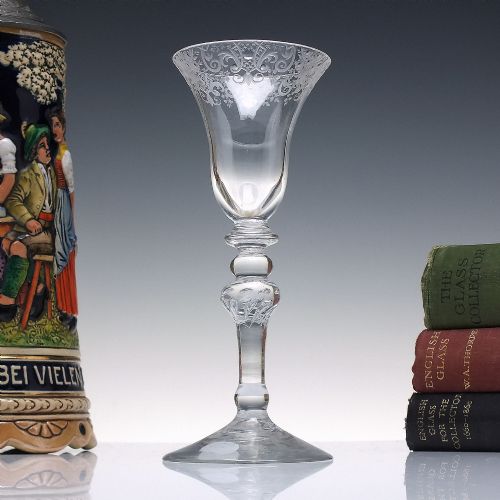
When you search for light baluster glass, you encounter refined wine glasses and wine goblets predominantly originating from the 18th Century and the Georgian period. These drinking vessels showcase distinct baluster stems that developed from earlier heavy drinking glasses into more slender, elegant forms.
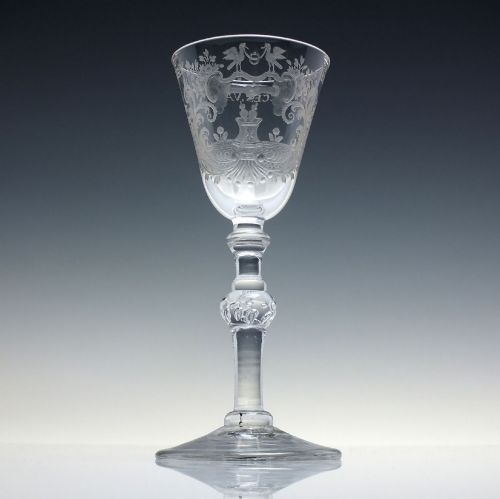
The evidence shows that these pieces frequently feature detailed engravings, including Newcastle and friendship motifs, alongside drop knops. While occasional later items appear, the core of what you find centres on authentic 18th Century English and Dutch Rococo drinking vessels.
How they were made
The makers of light baluster glass utilised clear lead glass to achieve both structural stability and brilliant light refraction in the stem and bowl. Artisans formed the characteristic baluster stems by manipulating molten metal while incorporating air bubbles and knops.
Decoration was applied through skilled wheel engraving, creating intricate floral, heraldic or commemorative scenes across the surface of the glass. This combination of heavy lead metal and precise surface carving defined the workshop output of the period.
Light Baluster Glass Retail Price Guide 2026
Typical asking prices for light baluster glass among the pieces listed under this phrase on Sellingantiques today, from the lower quarter to the upper quarter. They describe what is for sale here now, not the wider market.
Several glasses record personal toasts, capturing centuries-old friendships etched directly into the clear lead metal.
What varies in quality
Quality in light baluster glass rests upon the purity of the lead metal, the crispness of the wheel engraving, and the symmetry of the baluster stem. Superior examples display balanced proportions between the foot, the knopped stem, and the bucket or bell bowl.
Lesser specimens show heavy or clumsy forming in the knops and a dullness in the metal. The depth and clarity of the engraved details further distinguish standard vessels from those of superior execution.
The Light Baluster Glass Glossary
- Baluster
- A swelling, architectural stem form derived from stair railings. In drinking vessels, this shape provides a tactile grip and structural weight.
- Knop
- A knob or protuberance formed on the stem of a glass. These elements provide decorative punctuation and varied tactile profiles along the shaft.
- Drop knop
- A specific stem formation where a tear or elongated bubble is trapped within the solid glass swelling. This feature adds internal light play to the composition.
- Newcastle light baluster
- A regional subtype associated with northern English production. These glasses often incorporate distinct air twists or heavy proportions in the stem.
- Rococo
- An ornate stylistic influence seen in mid 18th Century surface decoration. It manifests in asymmetrical scrolls, floral sprays and lighthearted pictorial motifs.
Light Baluster Glass: Frequently Asked Questions
What is a light baluster glass?
A light baluster glass is a drinking vessel from the 18th Century featuring a slender, knopped stem derived from heavier early Georgian prototypes.
These pieces were primarily utilised for serving wine and toast drinking during formal dining occasions.
How do I date an 18th Century wine glass?
Dating relies on examining the form of the bowl, the composition of the metal, and the configuration of the stem knops.
Changes in glass technology and prevailing stylistic shifts help narrow down the period of manufacture to specific decades.
Were these glasses used for everyday dining?
These drinking vessels were created for the dining tables of the gentry and merchant classes during formal social gatherings.
Their robust lead glass construction meant they were handled regularly despite their decorative refinement.
How should I display antique stemware?
Display these glasses in secure cabinet shelving away from direct sunlight and areas of heavy household vibration.
Adequate spacing between individual pieces protects the delicate rims and engraved bowls from accidental contact.