


Library Reading Desk
A library reading desk offers the firm support and tailored surface needed for serious study, bringing history and utility into your workspace.
Library Reading Desk
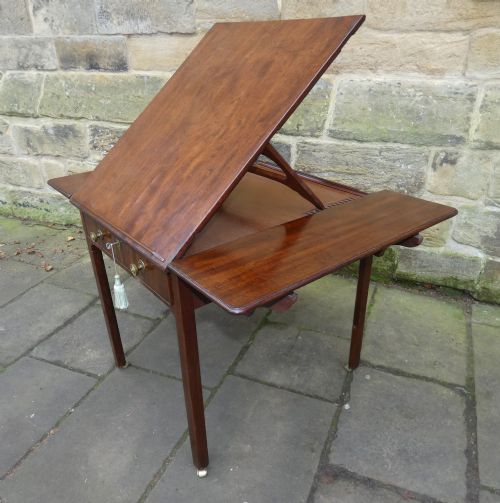
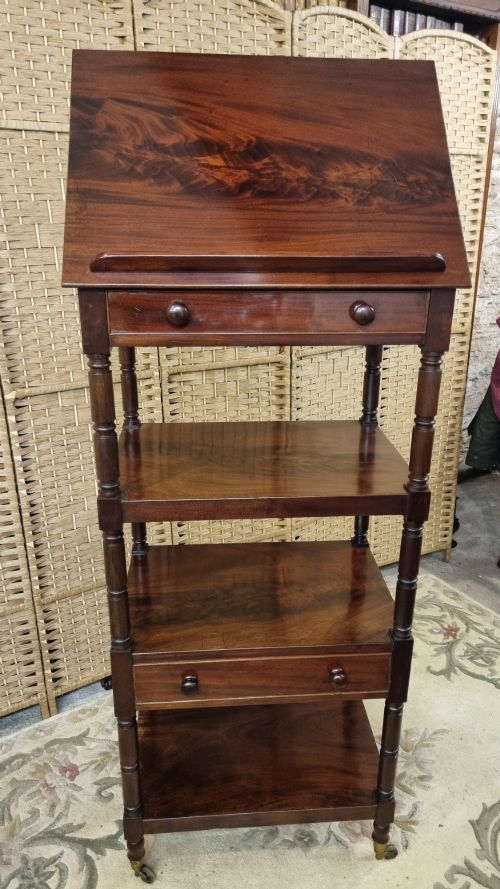
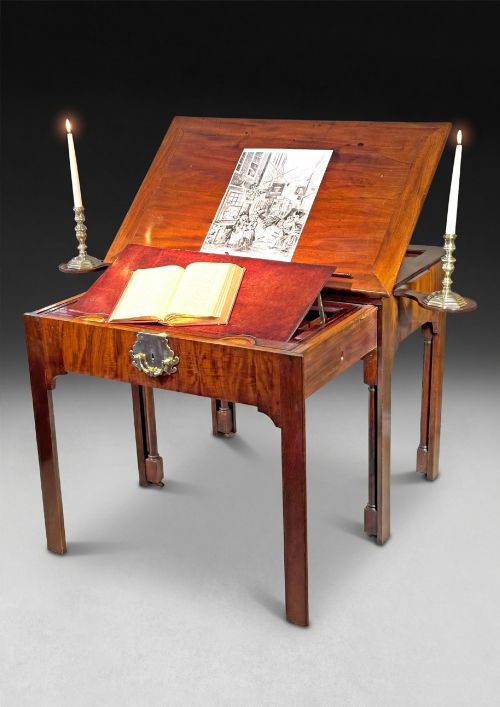
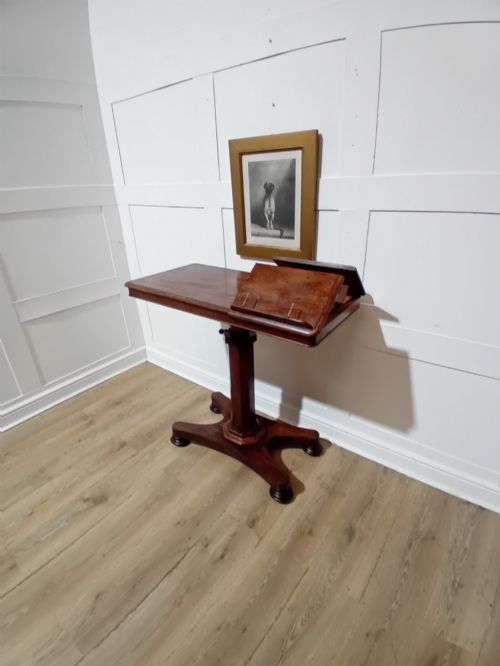
A library reading desk encompasses pieces designed for study and reading, though the selection here spans armchairs, reading tables, and desk accessories.
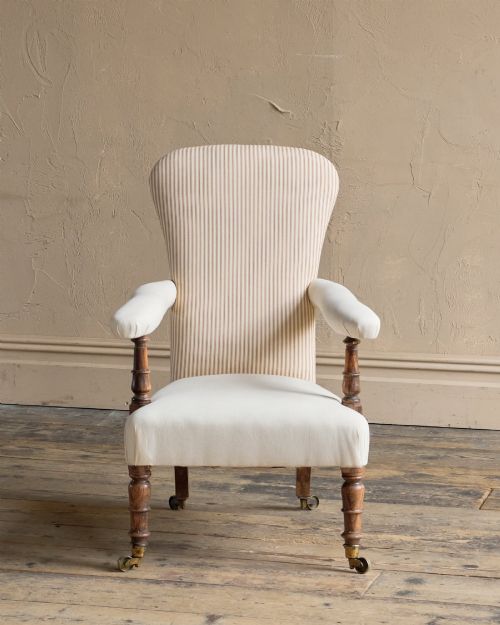
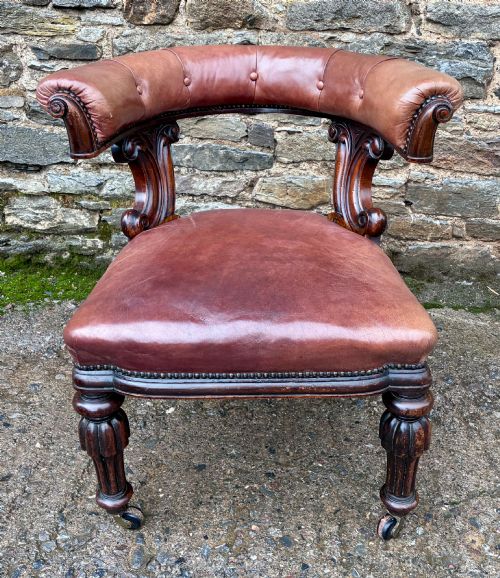
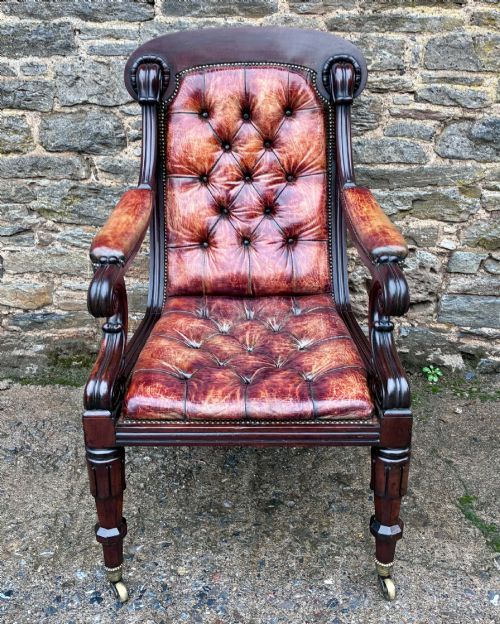
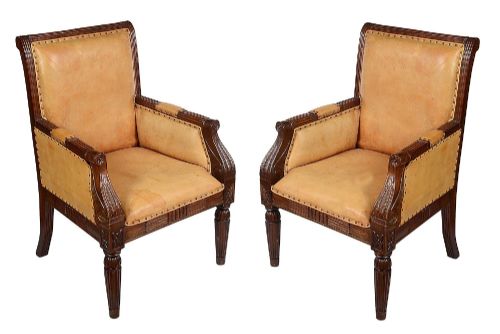
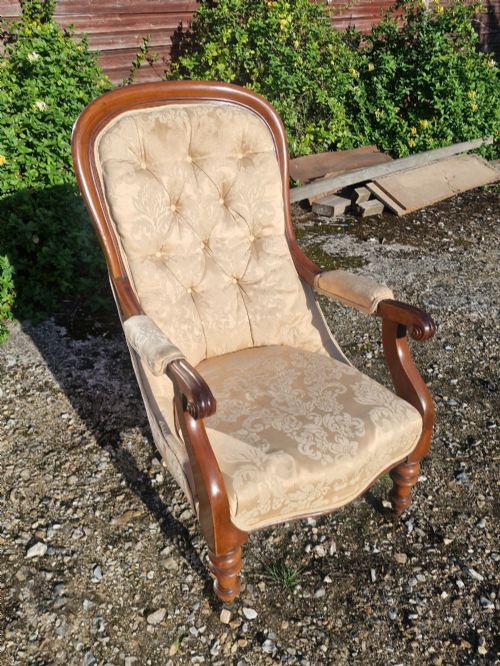
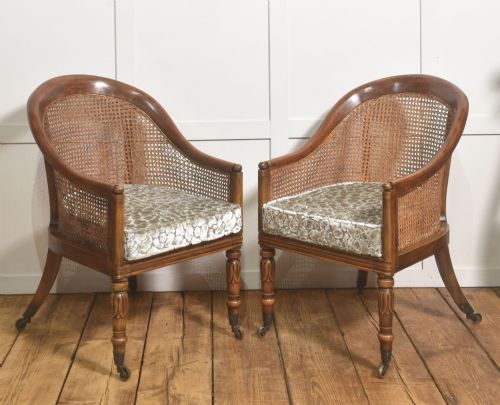
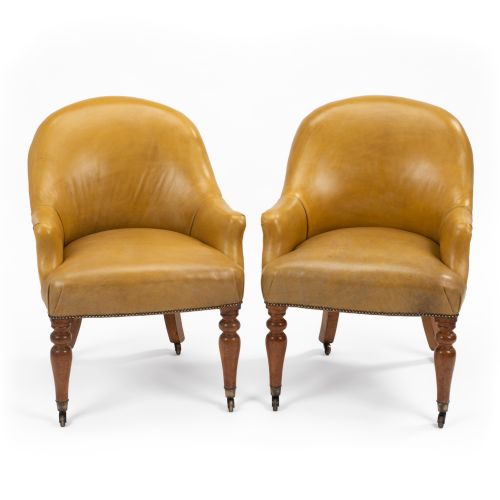
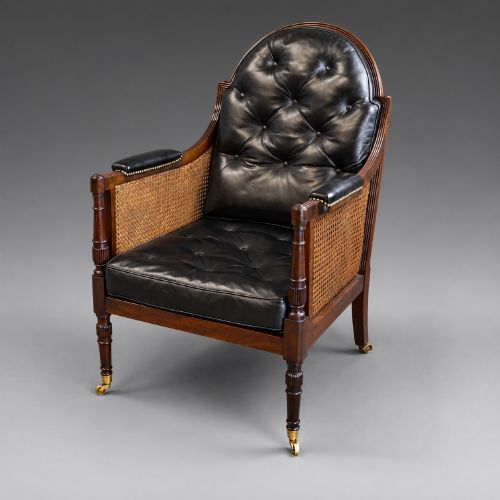
Armchairs dominate the available items, frequently upholstered in leather or fitted with cane and accompanied by reading stands.
The periods represented stretch from the 18th century through the Georgian, Regency, William IV, Victorian, and Edwardian eras.
How they were made
Mahogany, oak, walnut, and maple form the primary timber framework for these desks and chairs, shaped in Georgian, Regency, and Victorian workshops.
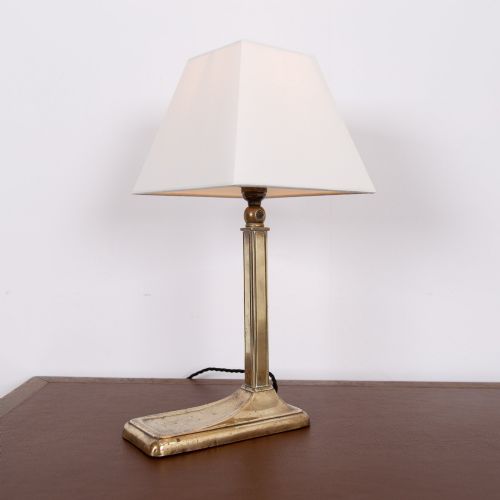
Leather and fabric provide the writing surfaces and upholstery, whilst brass components appear on desk accessories, lamps, and reading stands.
Library Reading Desk Retail Price Guide 2026
Typical asking prices for library reading desk among the pieces listed under this phrase on Sellingantiques today, from the lower quarter to the upper quarter. They describe what is for sale here now, not the wider market.
Listings feature mahogany, oak, walnut, and maple timbers alongside brass hardware and leather upholstery.
What varies in quality
The refinement of the timber carving and the choice of primary wood distinguish standard utility items from pieces produced by notable makers.
Upholstery materials and the execution of applied leather or cane work determine the finish and longevity of the seating.
C. Hindley & Sons
The Library Reading Desk Glossary
- Bergere
- An enclosed upholstered armchair with wooden framing, often featuring cane sides and a loose seat cushion. These chairs provide comfortable seating for reading rooms.
- Gothic Revival
- An architectural and decorative style drawing inspiration from medieval forms. Pieces in this style often display pointed arches and heavy timber construction.
- Revolving Bookcase
- A rotating stand designed to hold volumes upright for easy selection at a desk. They appear in mahogany and walnut across the Victorian and Edwardian periods.
- Gainsborough Armchair
- A wide, upholstered seat with open arms and a low back originating in the 18th century. They typically stand on straight or carved mahogany legs.
Library Reading Desk: Frequently Asked Questions
What is a library reading desk?
A library reading desk provides a stable surface for holding books and papers during study. The term also encompasses related furniture such as reading tables and armchairs fitted with book rests.
These pieces emerged to serve private libraries and studies, reflecting the scholarly habits of the Georgian, Regency, and Victorian periods.
How do I identify a Regency period chair?
Regency chairs typically display classical lines influenced by Greek and Roman design. They frequently utilise mahogany or maple, occasionally incorporating brass details.
Makers of this era favoured clean profiles and disciplined ornamentation, distinguishing them from the heavier carved forms of the later Victorian decades.
What materials were used for upholstery?
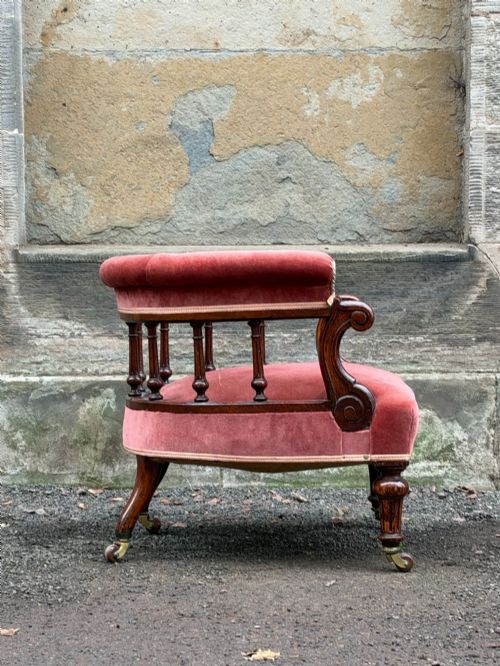
Leather serves as the predominant material for desk inserts and chair upholstery, valued for its durability. Fabric, velvet, and cane also appear across the available seating.
Many armchairs pair a solid mahogany or oak frame with hand-dyed hide or traditional caning on the back and sides.
How do I incorporate these pieces into a modern room?
These wooden desks and leather armchairs introduce traditional craftsmanship and rich timber tones into contemporary workspaces. They function effectively as standalone reading seats or functional writing surfaces.
Pairing a 19th-century mahogany chair or revolving bookcase with modern lighting highlights the historical grain and construction of the wood.