

Liberty Style Stand
When you search for a liberty style stand, you find furniture and metalwork rooted in the Arts and Crafts and Art Nouveau movements, prized for honest construction and distinctive design.
Liberty Style Stand
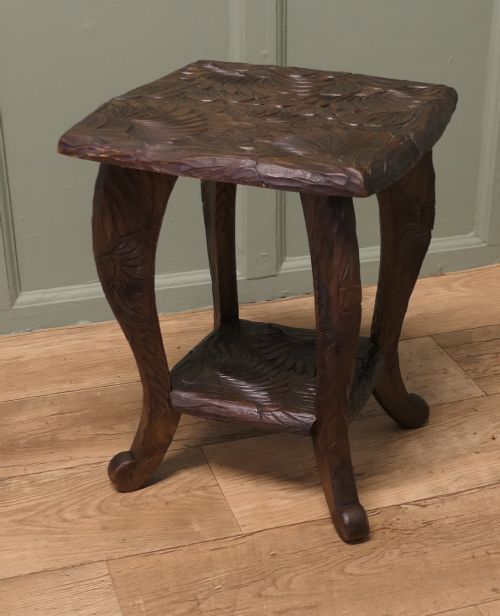
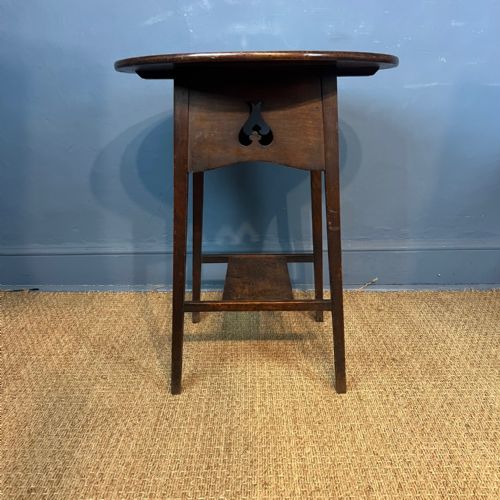
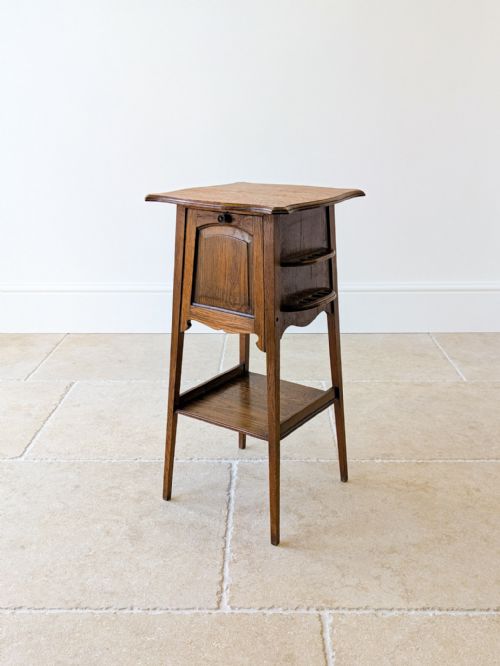
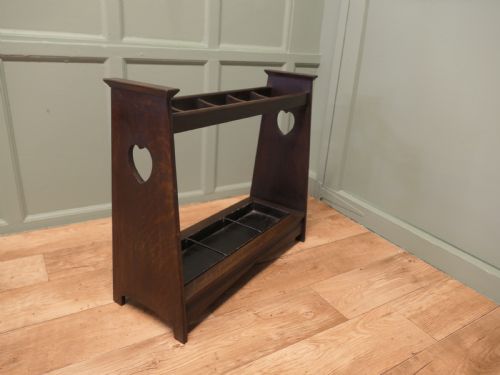
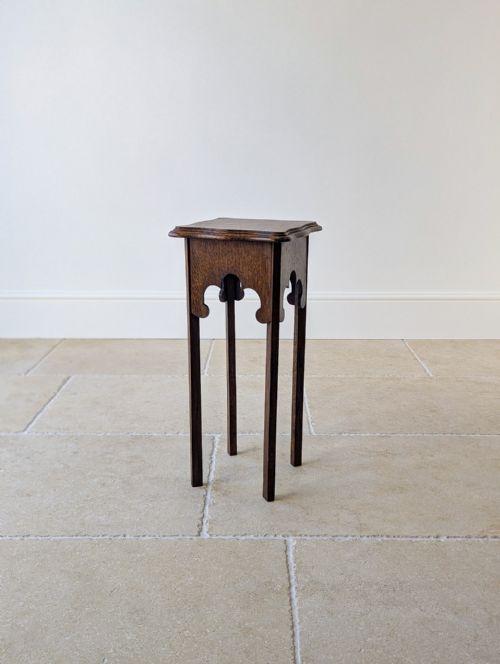
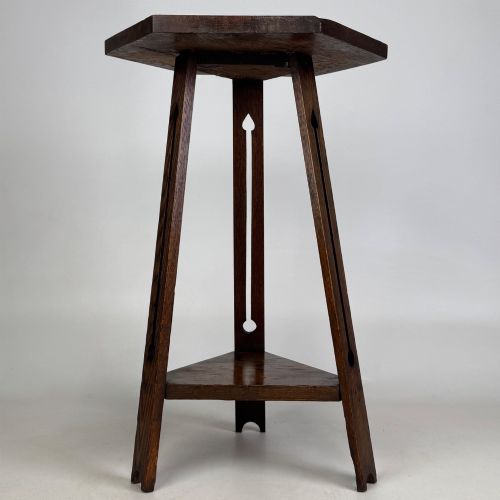
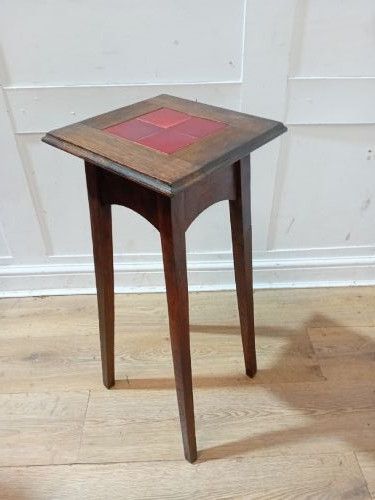
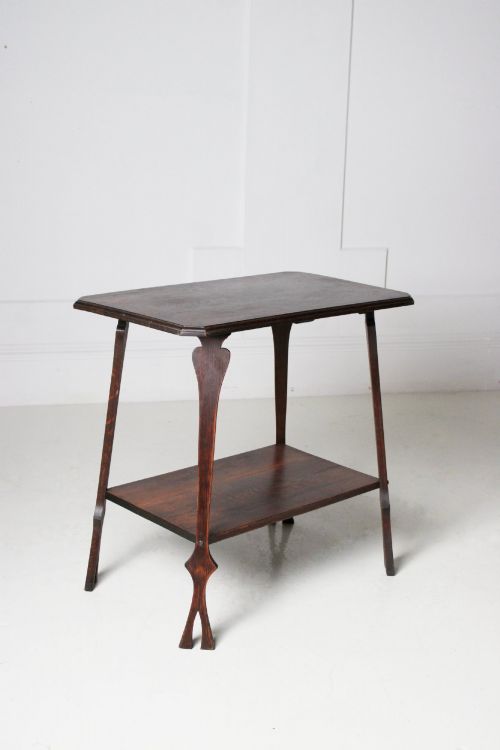
A liberty style stand encompasses plant stands, occasional tables, umbrella stands and similar utility furniture produced from the late nineteenth century into the twentieth century. These objects frequently display the aesthetic principles associated with Liberty & Co and the wider Arts and Crafts movement.
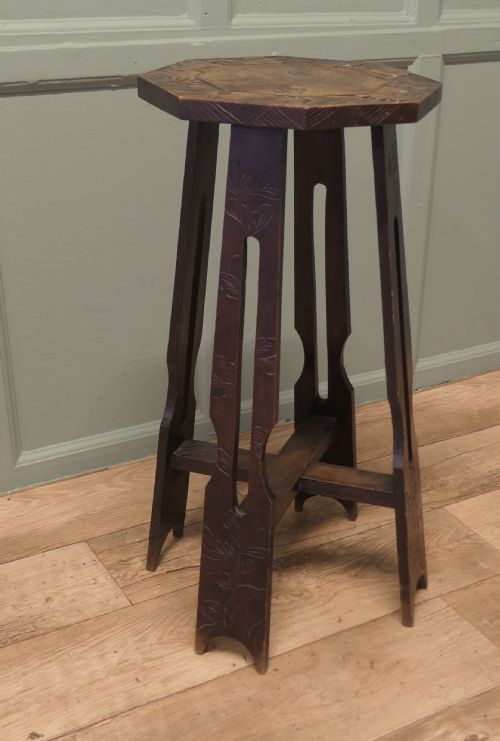
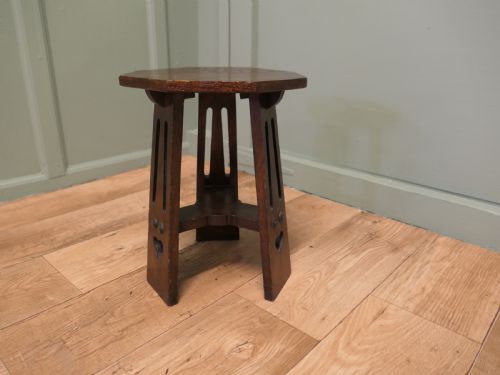
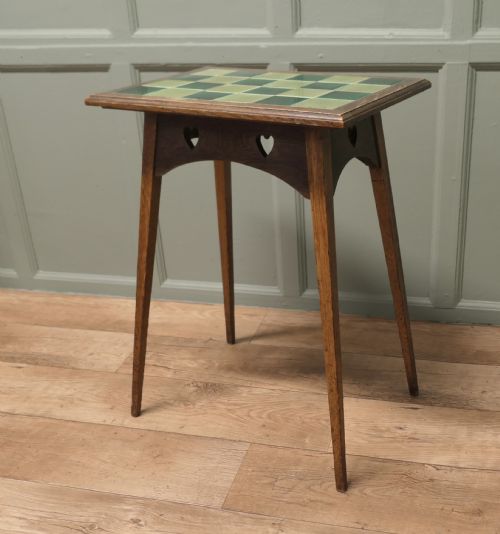
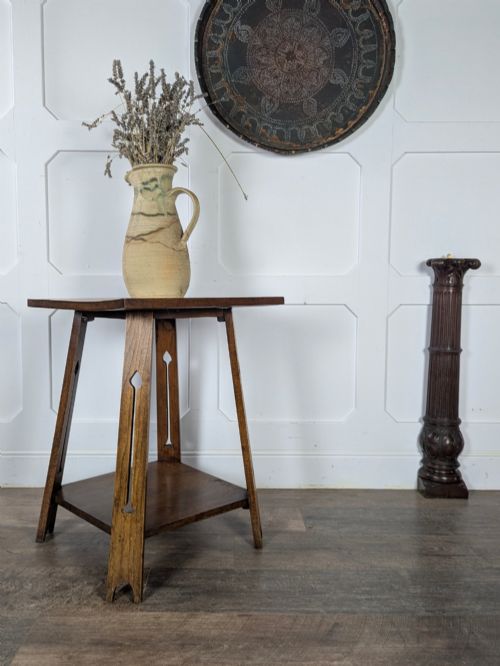
You will most commonly encounter oak plant stands and occasional tables dating from the Edwardian period and around 1900. These pieces often feature octagonal tops, open framework and carved details that reflect contemporary Moorish or Art Nouveau influences.
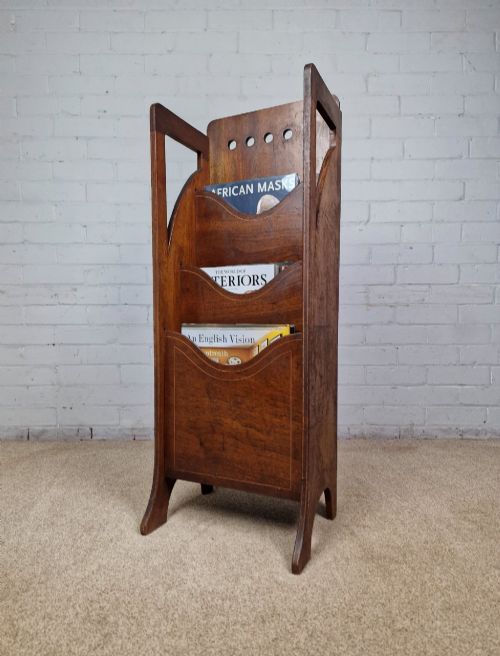
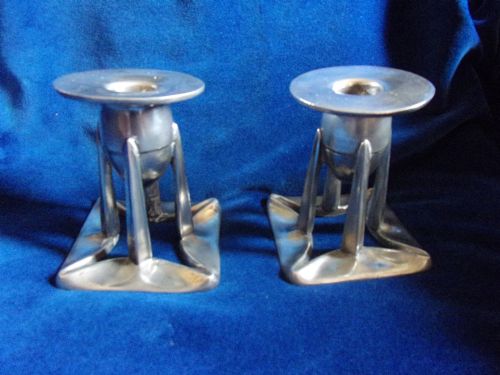
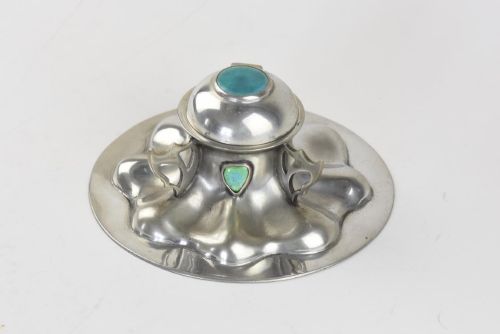
The selection ranges from sturdy oak bookcases and side tables to refined pewter candlesticks and inkwells bearing the hallmarks of notable designers. Each form serves a domestic purpose while showcasing the characteristic craftsmanship of the era.
Materials and Techniques
Solid oak serves as the primary structural material for much of the furniture, complemented by alternative timbers such as elm, mahogany and bamboo. Joinery relies on traditional methods including pegged joints, fretwork and hand carving rather than hidden fixings.
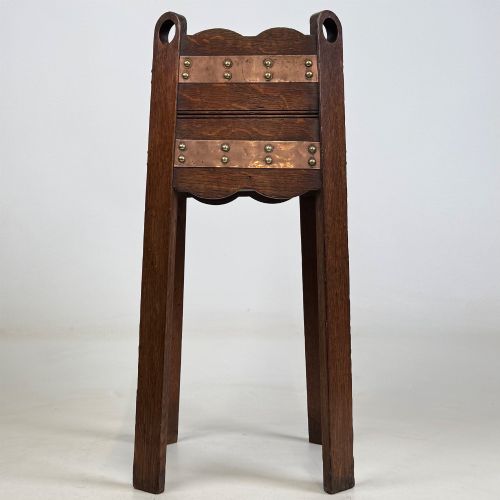
Metal components introduce contrasting textures through the use of brass, copper, iron and polished pewter. Items like candlesticks and inkwells incorporate specialist metalworking techniques, occasionally enhanced with Ruskin cabochons or decorative tiles.
Liberty Style Stand Retail Price Guide 2026
Typical asking prices for liberty style stand among the pieces listed under this phrase on Sellingantiques today, from the lower quarter to the upper quarter. They describe what is for sale here now, not the wider market.
Listings feature items spanning the 1880s to the 1920s, with a strong concentration of oak occasional tables and plant stands from the Edwardian era.
Evaluating Quality
Quality rests upon the integrity of the timber selection and the precision of the hand-carved or pegged construction. Pieces retaining original patination and robust joinery stand apart from later reproductions or heavily altered examples.
The presence of documented maker attribution or distinctive design work elevates certain pieces significantly. Superior metalwork shows crisp casting and careful integration of decorative elements like ceramic cabochons.
Liberty & Co·Archibald Knox·Finnigans·William Hutton·Shapland & Petter·Leonard Wyburd·Baillie Scott
The Liberty Style Stand Glossary
- Arts and Crafts
- A design movement promoting handcraftsmanship, traditional construction and simple forms. It rejected industrial mass production in favour of visible structural honesty.
- Art Nouveau
- A style characterised by flowing, organic lines and natural motifs. It heavily influenced decorative metalwork and furniture design at the turn of the twentieth century.
- Moorish Revival
- An architectural and decorative style incorporating geometric patterns and intricate fretwork. It appeared frequently in late nineteenth-century occasional furniture.
- Cabochon
- A polished, convex gemstone or ceramic piece without facets. These often embellished pewter inkwells and metalwork.
- Pegged joinery
- A method of securing wooden joints using wooden dowels instead of metal nails. This technique demonstrates traditional craftsmanship.
Liberty Style Stand: Frequently Asked Questions
What defines a liberty style stand?
These pieces originate from the late nineteenth and early twentieth centuries, aligning with the Arts and Crafts and Art Nouveau movements. They emphasise exposed construction, natural materials and artistic integrity.
Designs draw on various influences, from traditional British oak carpentry to Moorish fretwork and bone inlay, reflecting the eclectic taste associated with Liberty & Co.
How were these stands used originally?
Plant stands and jardiniere stands elevated indoor greenery, while occasional tables served as surfaces for lamps, books or tea services. Umbrella stands provided a designated hallway drop for wet walking sticks.
Smaller items like inkwells and candlesticks fulfilled practical writing and lighting needs on desks and mantelpieces across Edwardian homes.
How do I care for antique oak furniture?
Keep wooden pieces away from direct heat sources and strong sunlight to prevent the timber from drying out or splitting. Maintain the surface with a gentle application of quality beeswax rather than modern silicone polishes.
Regular dusting with a soft, dry cloth preserves the natural patination built up over a century or more of domestic use.
How can I tell the period of a piece?
Examine the construction methods, such as hand-cut dovetails, pegged joints and tool marks left by the maker. Oak furniture from around 1900 typically displays heavier proportions and simpler lines than later commercial reproductions.
Stamps, signatures or design registration numbers provide definitive clues, though many high-quality items remain unattributed beyond their stylistic markers.