

Liberty Side Table
These liberty side table pieces bring distinctive Arts and Crafts and Moorish craftsmanship into the home, offering both practical utility and period character.
Liberty Side Table
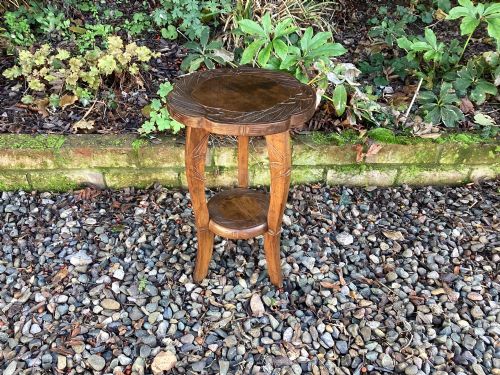
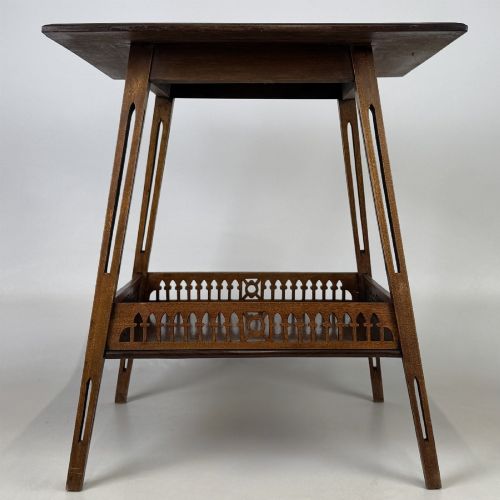
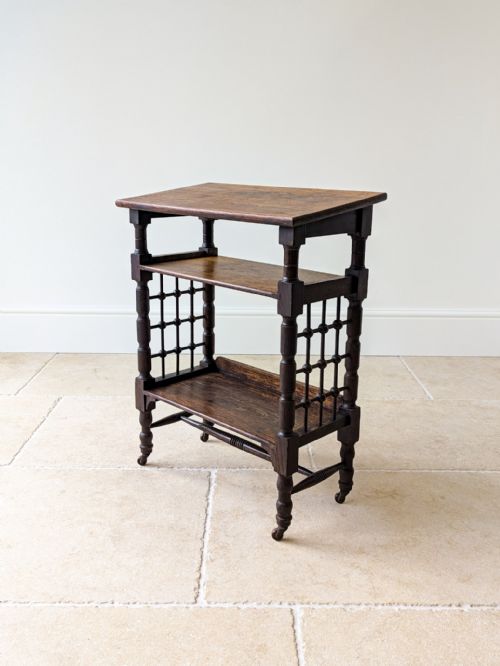
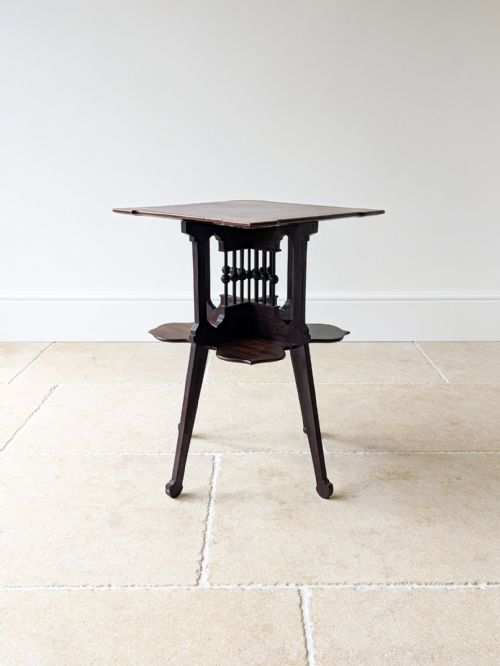
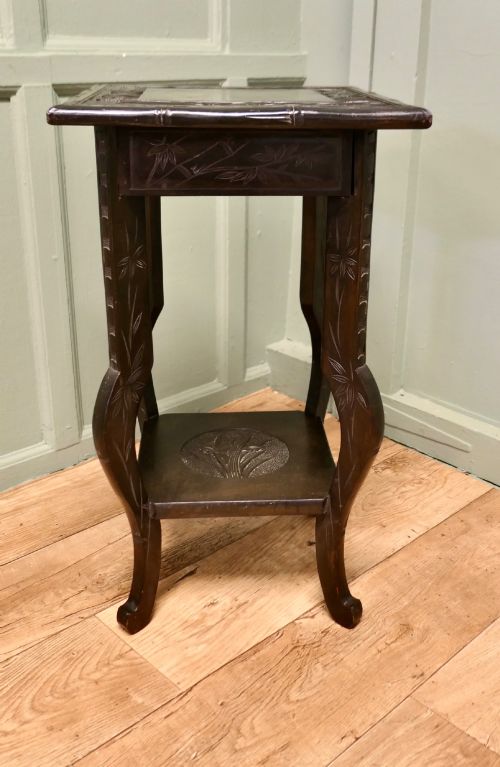
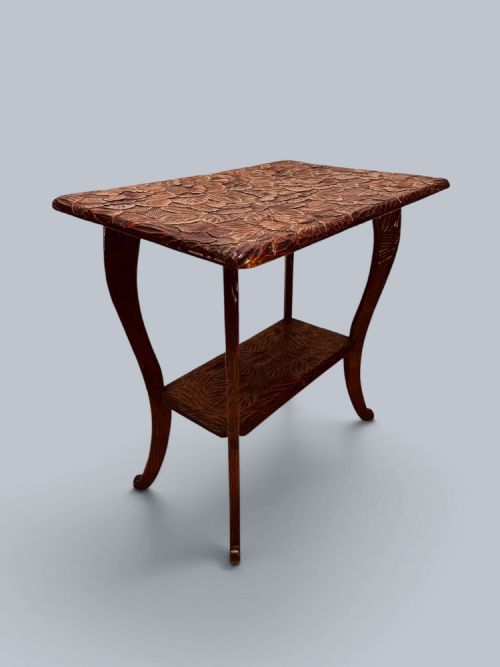
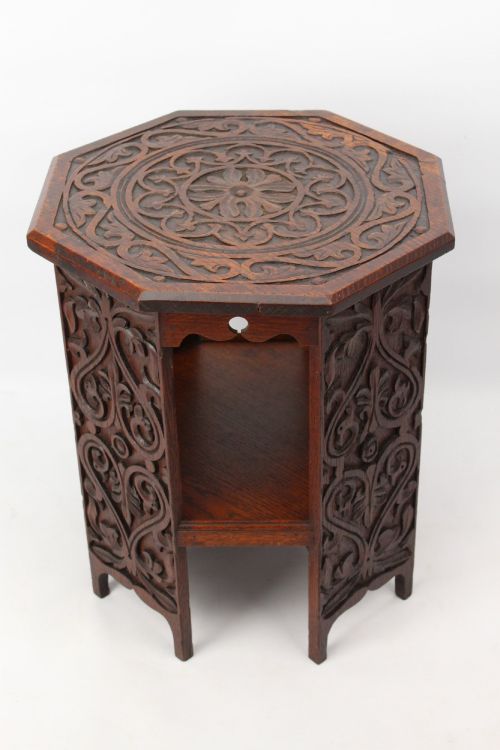
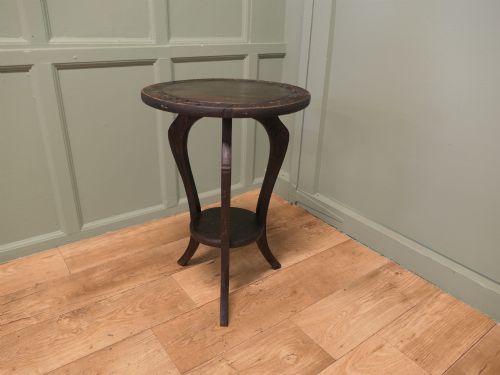
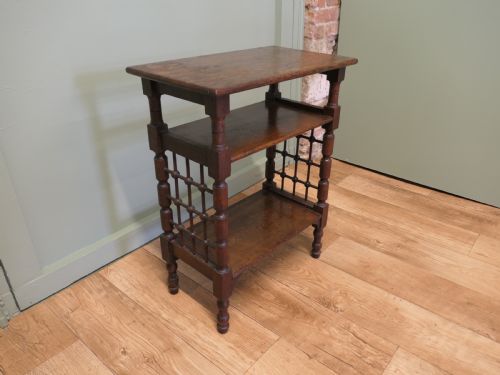
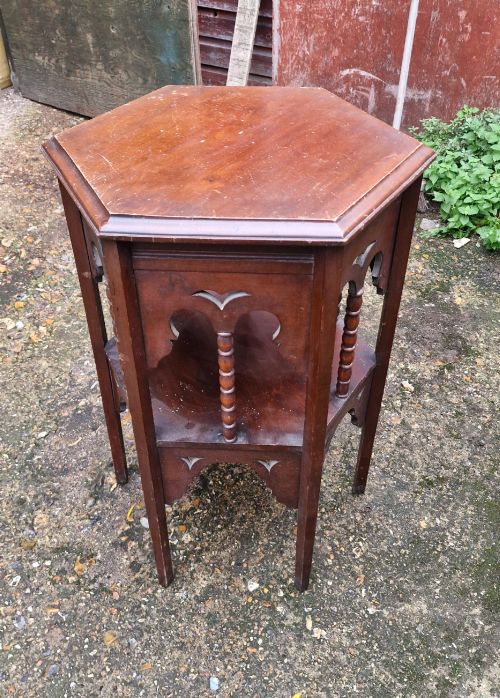
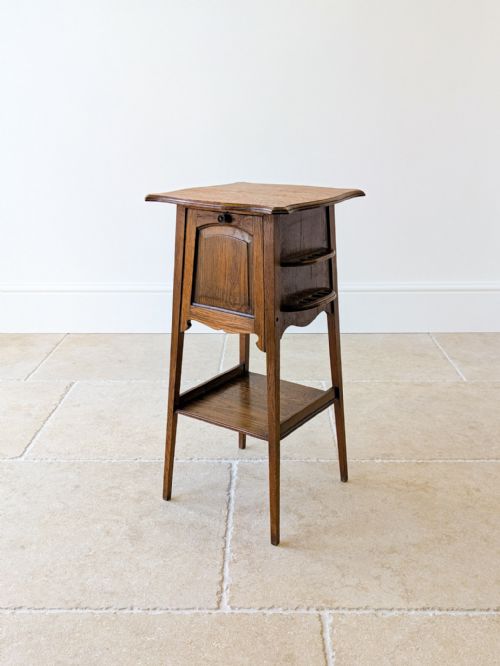
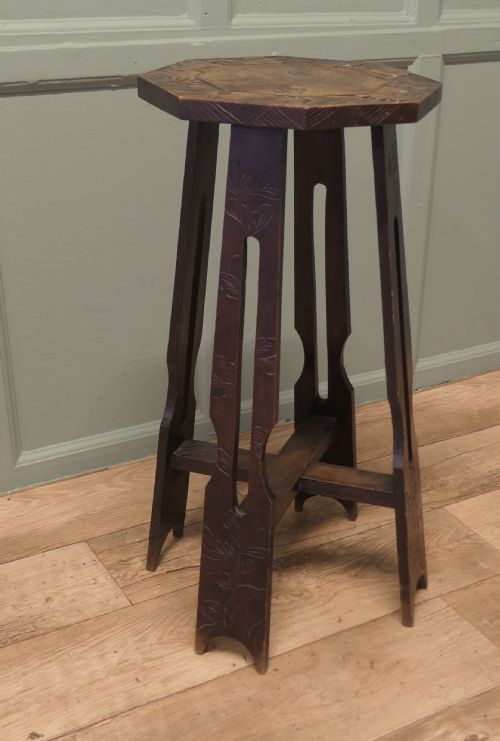
A liberty side table encompasses occasional furniture produced or retailed through the iconic London firm during the late nineteenth and early twentieth centuries. These items draw heavily from Arts and Crafts, Moorish Revival, and Aesthetic Movement design principles, frequently appearing in forms such as octagonal plant stands, two-tier tables, and magazine racks.
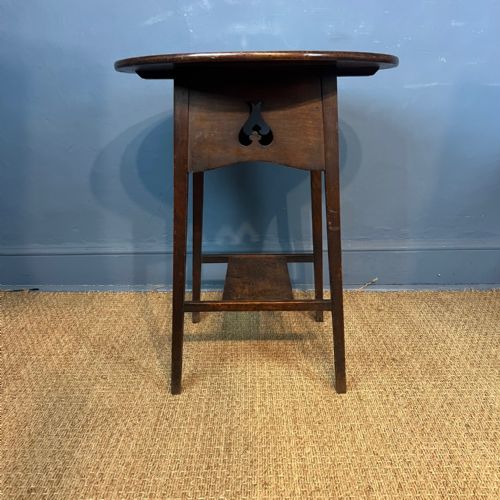
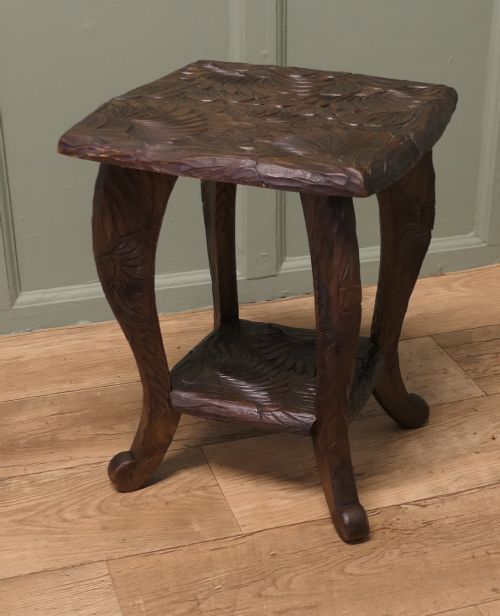
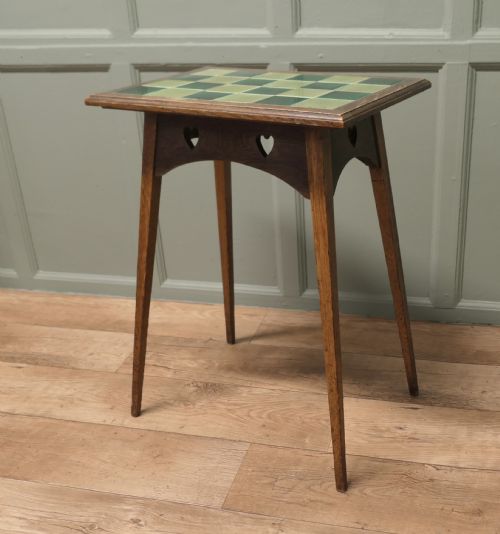
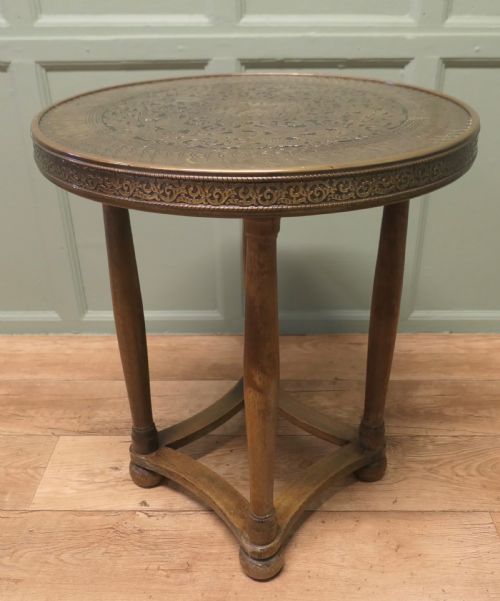
The most common examples encountered on this page are solid oak tables bearing the structural simplicity characteristic of the Arts and Crafts movement. Alongside these, buyers find exotic imported forms including Anglo-Indian and Moorish occasional tables featuring intricate carving or inlaid details.
Dated examples span from the Victorian and Edwardian eras through to the early decades of the twentieth century. Makers and designers associated with these pieces include Leonard Wyburd, William Birch, and Archibald Knox.
Materials and methods of construction
Timbers form the core of construction, with English oak appearing most frequently alongside mahogany, walnut, ash, and ebonised wood. Joinery methods prioritise visible structural honesty, aligning with the tenets of the Arts and Crafts philosophy.
Surface ornamentation distinguishes the more elaborate examples, utilising brass, copper, mother-of-pearl, bone inlay, and leather. Certain tables incorporate carved motifs such as heart cut-outs or fretwork, while others integrate ceramic tiled tops or chequered inlay.
Liberty Side Table Retail Price Guide 2026
Typical asking prices for liberty side table among the pieces listed under this phrase on Sellingantiques today, from the lower quarter to the upper quarter. They describe what is for sale here now, not the wider market.
Listings feature oak predominantly, alongside mahogany, walnut, and exotic additions like mother-of-pearl and bone inlay.
Evaluating quality and execution
Quality in a liberty side table rests on the integrity of the materials and the precision of the hand-carved or inlaid details. Tables utilising dense, figured woods and precise joint work command attention, as do those bearing stamps or attributions to specific designers like Leonard Wyburd or workshops such as William Birch.
The distinction between standard commercial output and premier items often lies in the complexity of the surface decoration, such as bone or mother-of-pearl inlay and hand-beaten metal trays. Original uncompromised surfaces and authentic period patination elevate individual examples above simpler production pieces.
Leonard Wyburd·William Birch·Finnigans·Baillie Scott·Archibald Knox
The Liberty Side Table Glossary
- Arts and Crafts
- A design movement valuing traditional craftsmanship, simple forms, and natural materials over mass production. This style dominates the oak tables listed in this category.
- Moorish Revival
- An architectural and decorative style incorporating Islamic design elements, often seen in octagonal tables with intricate fretwork and lattice patterns. These pieces reflect the taste for exotic goods championed by London department stores.
- Aesthetic Movement
- A late nineteenth-century movement emphasising visual and compositional beauty above narrative or moral themes. Furniture from this period frequently utilises ebonised wood and minimalist lines.
- Inlay
- A technique where pieces of contrasting materials such as bone, mother-of-pearl, or lighter woods are inserted into depressions within the base wood. This method creates decorative geometric or floral surface patterns.
- Tiered Table
- A piece of furniture featuring multiple horizontal surfaces connected by vertical supports, commonly used for display or as a plant stand. These configurations maximise floor space while providing additional utility.
Liberty Side Table: Frequently Asked Questions
What defines a liberty side table?
These pieces represent the furniture sold by the historic London department store, spanning the late nineteenth and early twentieth centuries. They bridge domestic utility with distinctive artistic movements like Arts and Crafts and Moorish Revival.
Buyers encounter various configurations, from plain oak occasional tables to heavily carved plant stands and inlaid display furniture. The common thread is a commitment to distinct design separate from mainstream Victorian mass production.
How were these tables used originally?
Period households utilised these tables for multiple everyday domestic functions, including holding lamps, displaying ornamental plants, or serving tea. Two-tier variants provided extra surface area for books and magazines in drawing rooms.
More exotic inlaid or brass-topped specimens often served as decorative focal points in reception rooms. Their modest scale allowed them to be moved easily around the home as daily needs required.
How do I care for an antique wood table?
Preserving these wooden surfaces requires maintaining a stable indoor environment away from direct heat sources and strong sunlight. Regular dusting with a dry, soft cloth prevents particle buildup without risking moisture damage.
Applying a quality beeswax periodically nourishes the timber and maintains the natural lustre of the grain. Avoid using modern silicone polishes, which can degrade antique finishes over time.
How can I tell the period of a table?
Dating relies on examining construction techniques, timber choices, and stylistic markers specific to the late nineteenth and early twentieth centuries. Oak constructions with simple joinery typically point towards the core Arts and Crafts period around nineteen hundred.
More elaborate Moorish or Anglo-Indian carved items often date from the late Victorian decades. Maker stamps, retailer marks, and attributed designs help narrow down the precise decade of manufacture.