


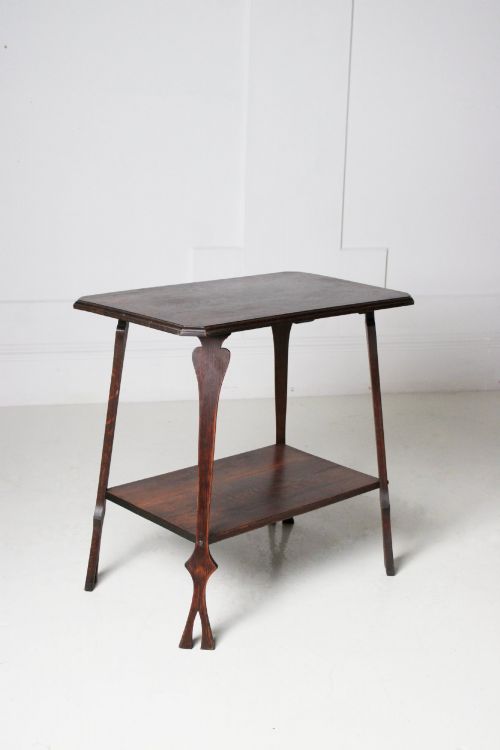
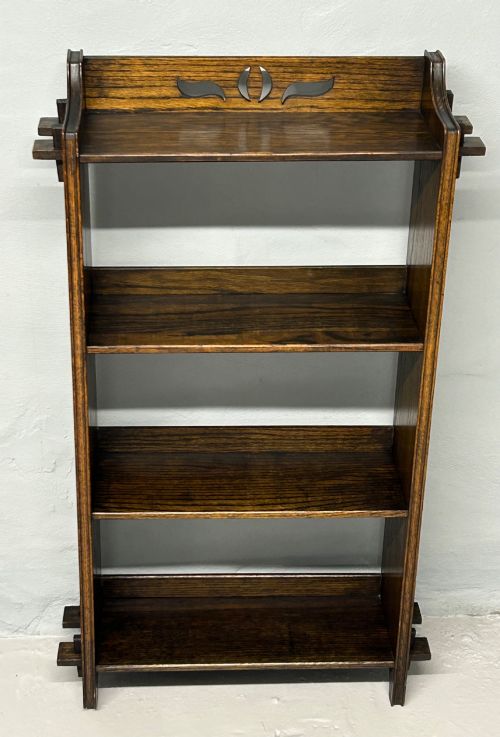
Liberty Oak Stand
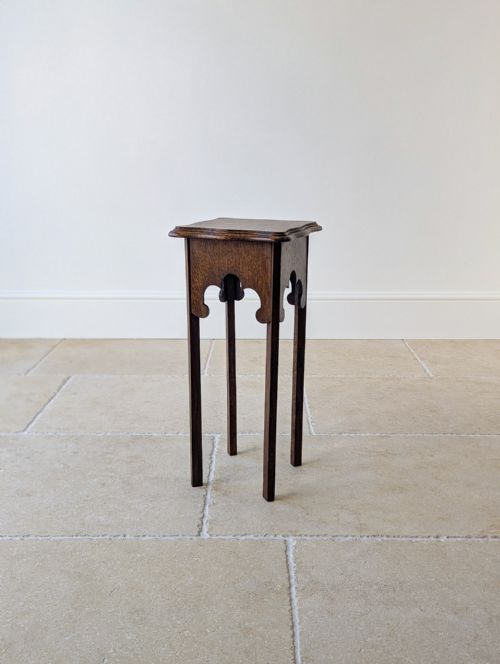
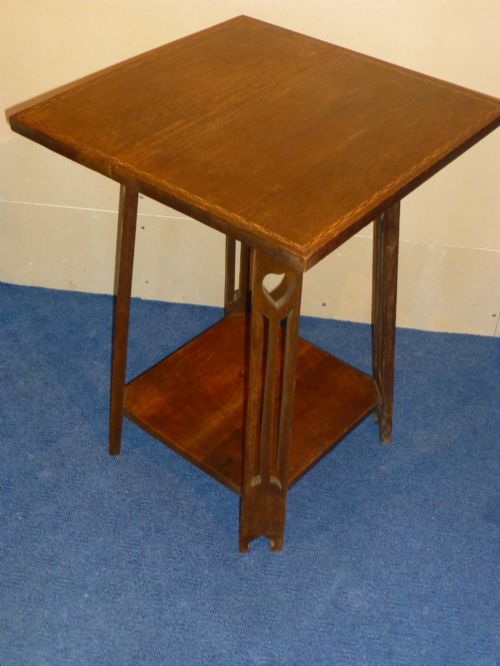
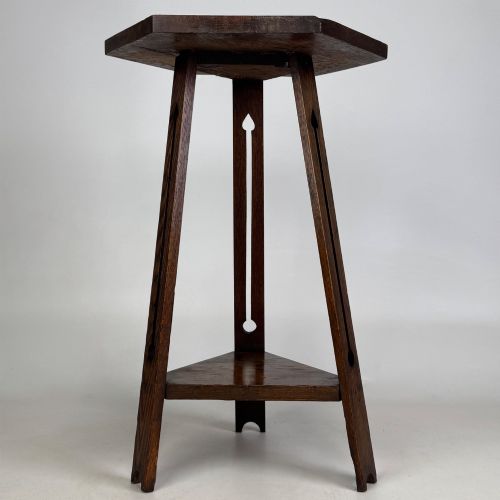
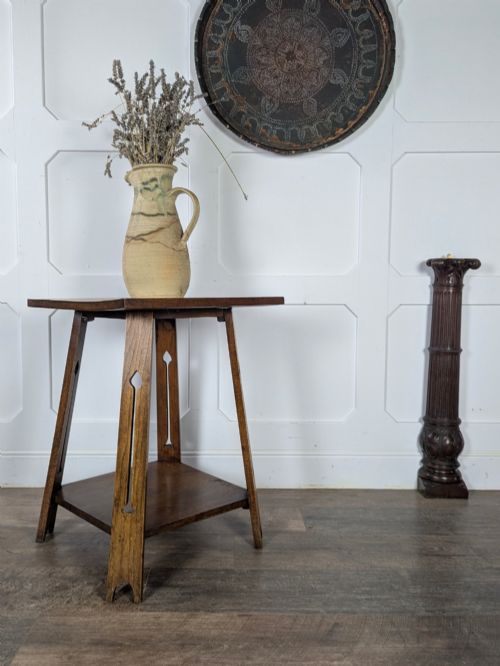
A genuine liberty oak stand brings the honest craft and clean lines of the Arts and Crafts movement straight into a room.
Liberty Oak Stand
When searching for a liberty oak stand, collectors look for utilitarian pieces rooted in the Arts and Crafts, Art Nouveau, and Anglo-Japanese styles. These works span the late nineteenth century through the Edwardian period and the nineteen-twenties.
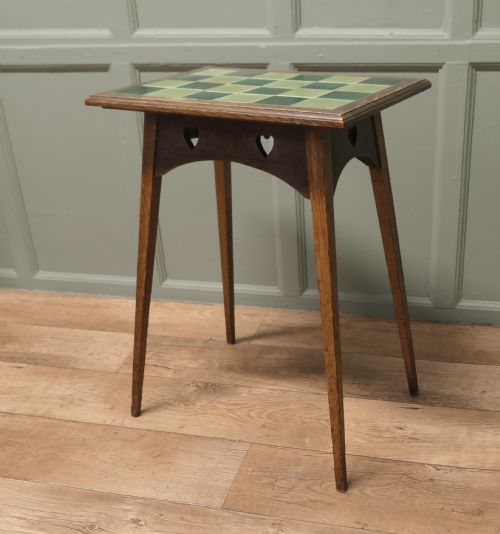
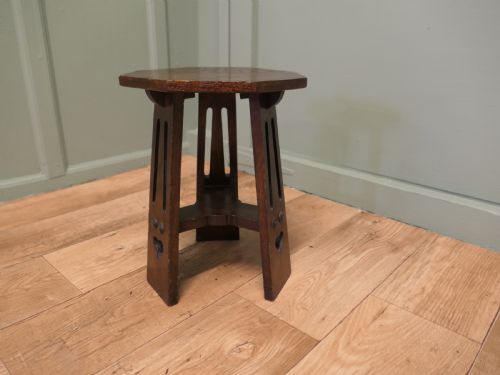
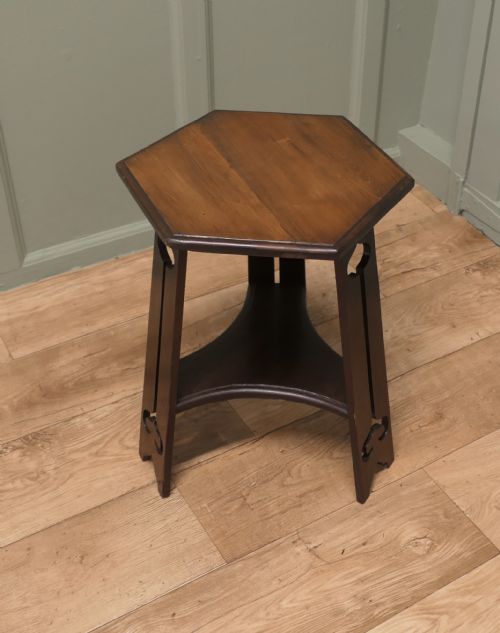
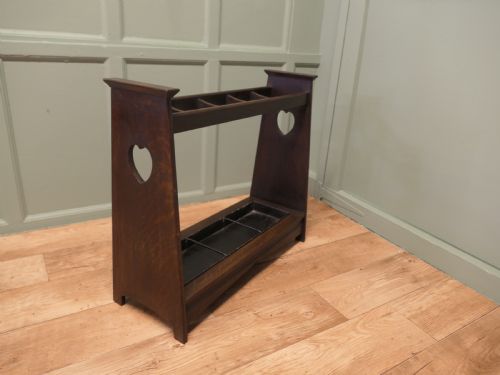
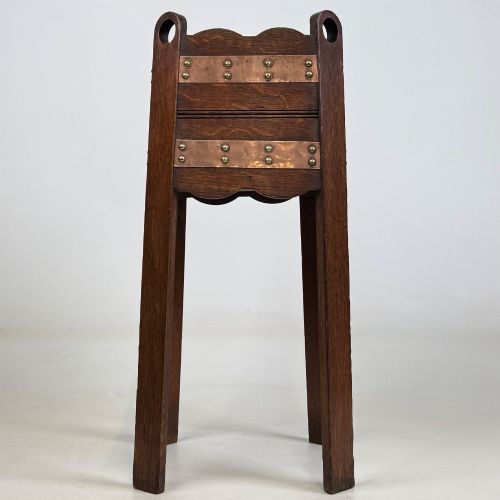
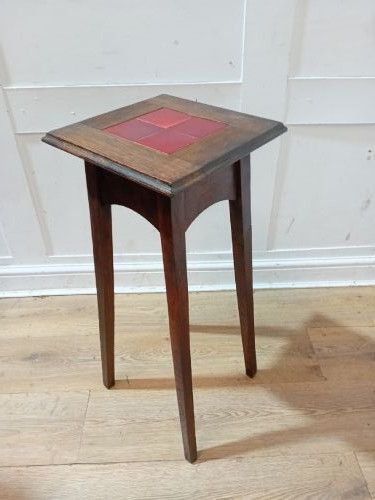
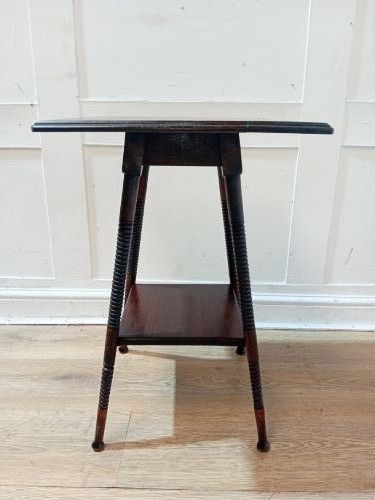
The most common forms encountered on this page are occasional tables, plant stands, and umbrella or stick stands produced or retailed by Liberty and Co.
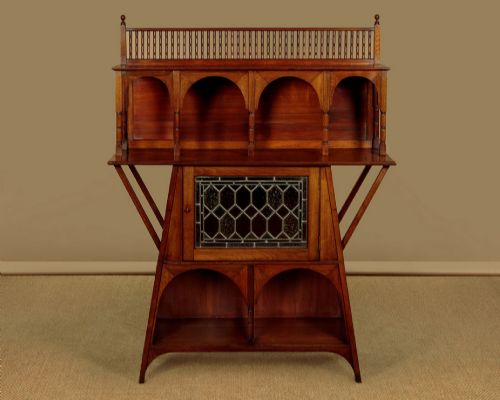
Makers and designers working in this aesthetic produced robust hallway stands, bookcases, and jardiniere supports shaped from solid timber.
How they were made
Cabinetmakers constructed these pieces primarily from solid oak and sturdy hardwoods, often highlighting the natural grain through straightforward joinery.
Many designs incorporate ceramic tiles, copper trays, brass fittings, and subtle wood inlay to accent the functional wooden frames.
Listings feature oak, copper, brass, and ceramic tiles across Victorian, Edwardian, and early twentieth-century periods.
What varies in quality
The distinction between standard commercial output and superior workshop production lies in the crispness of hand-carving and the integrity of the timber selection.
Pieces bearing documented retailer marks or attributed to specific designers command greater interest due to their verified provenance and refined proportions.
Liberty and Co·William Birch·Baillie Scott·Leonard Wyburd·Shapland and Petter
The Liberty Oak Stand Glossary
- Arts and Crafts
- A design movement spanning the late nineteenth and early twentieth centuries that prioritised traditional craftsmanship and simple forms over mass production. It rejected excessive Victorian ornament in favour of honest construction.
- Jardiniere stand
- A tall piece of furniture designed specifically to support a decorative flower pot or plant bowl. These stands often featured waterproof liners made of ceramic or metal.
- Stick stand
- A hall furnishing created to hold walking sticks, canes, and umbrellas, frequently equipped with a metal or ceramic base tray to catch rainwater. They formed a practical part of Edwardian hallway furniture.
- Occasional table
- A small, movable side table brought out for specific tasks such as holding a lamp, book, or teacup. They display great variety in height and tier arrangement.
- Torcher
- A tall, slender stand originally intended to support a candle or torch, later adapted for electric lamps and small statues. The form allows for elevated display in corners or tight spaces.
Liberty Oak Stand: Frequently Asked Questions
What is a liberty oak stand?
A liberty oak stand is a piece of furniture made from oak, either retailed by the London firm Liberty and Co or executed in their distinctive Arts and Crafts style. These items include plant stands, occasional tables, and hallway umbrella holders.
Such pieces reflect the turn of the twentieth century design ethos, favouring exposed construction and utility over heavy ornamentation.
How were umbrella stands used?
Umbrella and stick stands were placed in hallways or vestibules to keep wet walking aids and umbrellas tidy upon entering a home. They typically included an integrated metal or ceramic tray at the base to catch drips.
This kept hallways clean and ensured guests had immediate access to walking gear.
How do I date an oak stand?
Dating relies on observing construction methods, material combinations, and stylistic clues typical of periods like the Edwardian era or the late nineteenth century. Pieces marked by Liberty and Co or associated with specific designers offer clearer chronological benchmarks.
Examining the type of screws, timber preparation, and accompanying hardware also helps narrow down the decade of manufacture.
Where should I place a plant stand?
Plant stands and jardiniere supports suit corners, hallways, or beside windows where natural light supports indoor greenery. Their compact footprints allow them to fit easily into modest spaces.
They also function well as lamp tables or display surfaces for decorative objects.