


Liberty and Co
Arthur Lasenby Liberty founded a retail house that shaped domestic taste through decorative arts and imported craft.
Liberty and Co
Liberty and Co pieces encompass functional household furnishings and decorative objects produced during the late nineteenth and early twentieth centuries. The inventory reflects diverse aesthetic movements promoted by the Regent Street store, ranging from austere oak furniture to intricate imported wares.
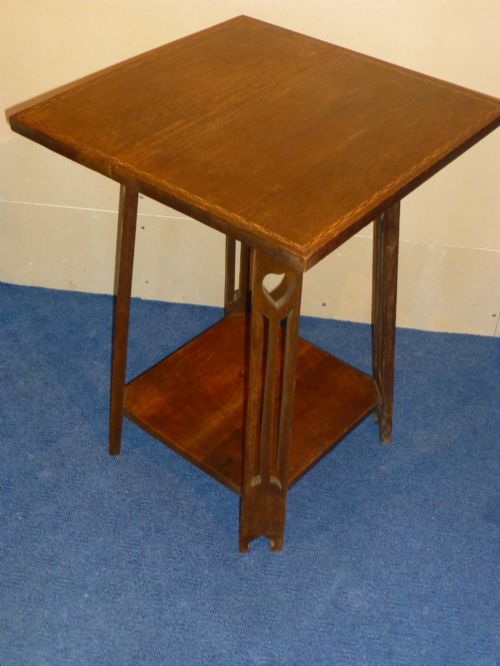
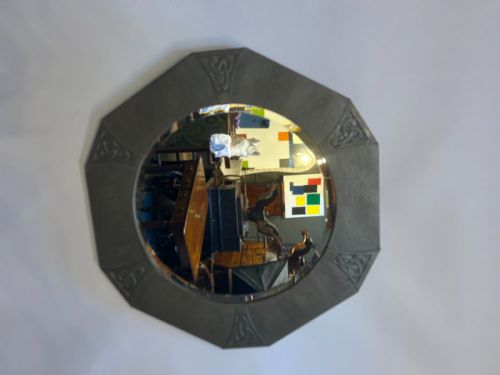
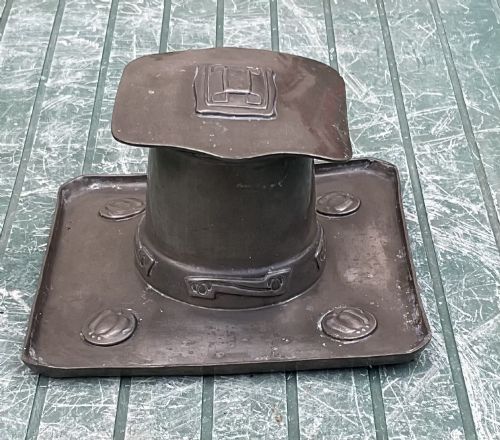
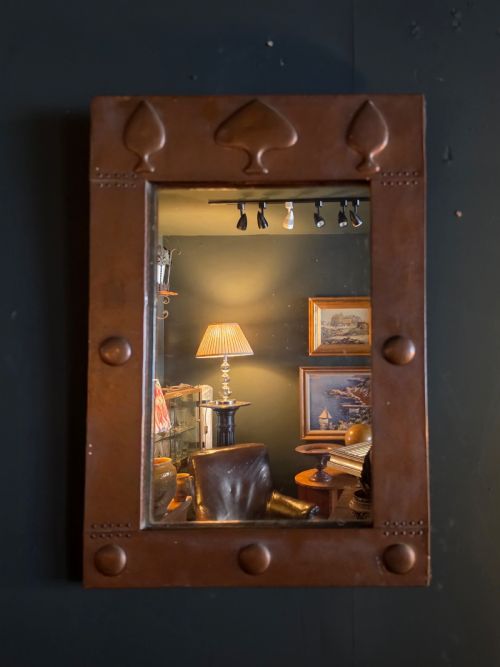
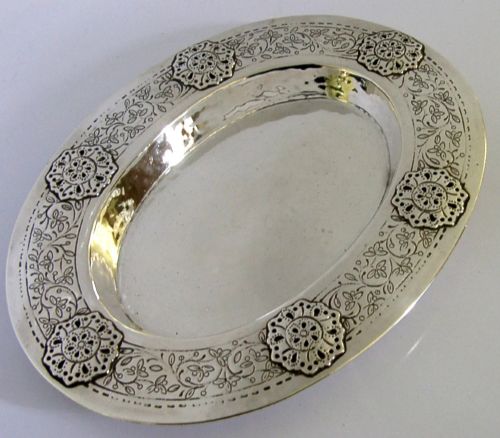
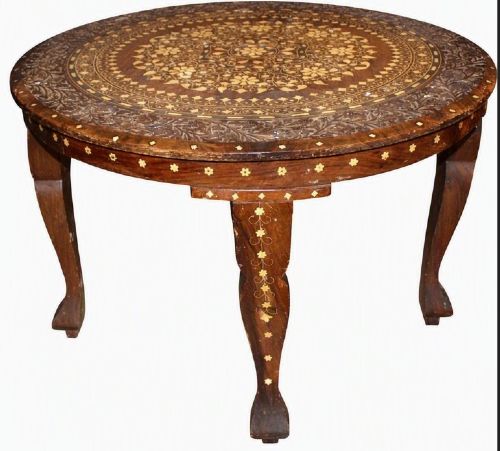
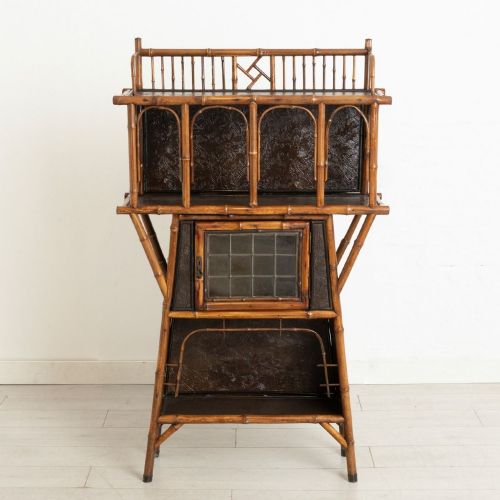
Buyers encounter numerous examples from the Arts and Crafts movement alongside items influenced by Moorish, Anglo-Indian and Japanese traditions. Occasional tables, wall mirrors, pewter vessels and silver tableware dominate the surviving material record.
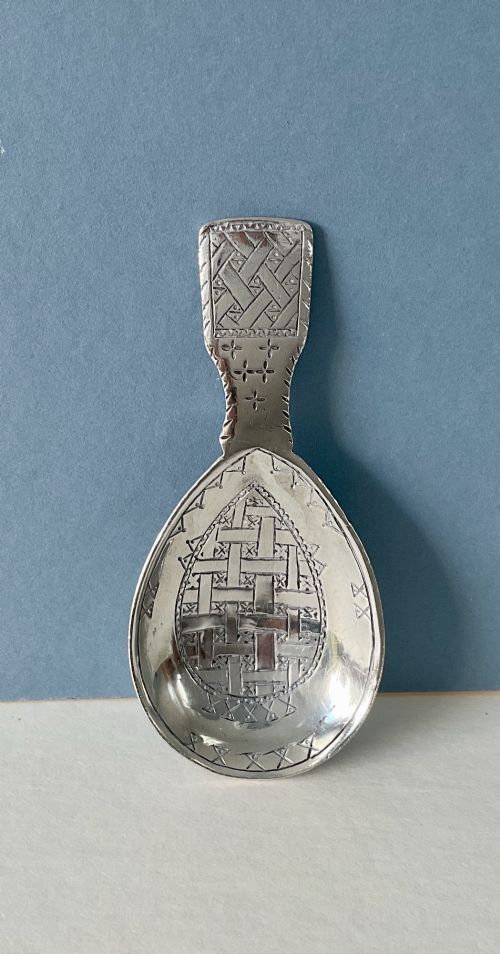
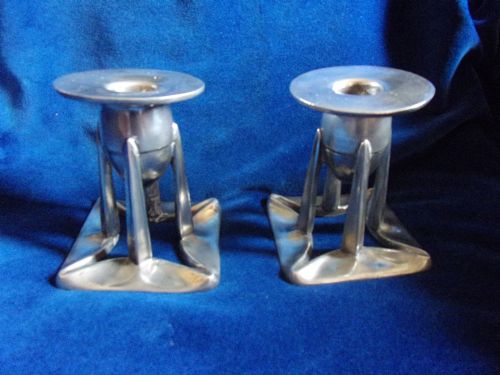
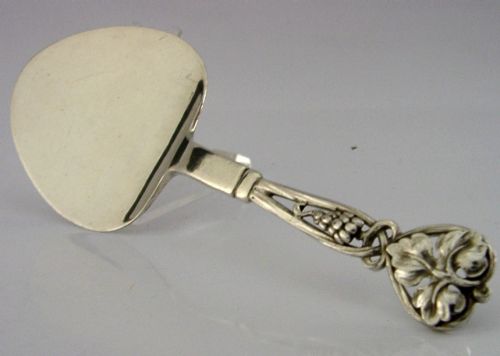
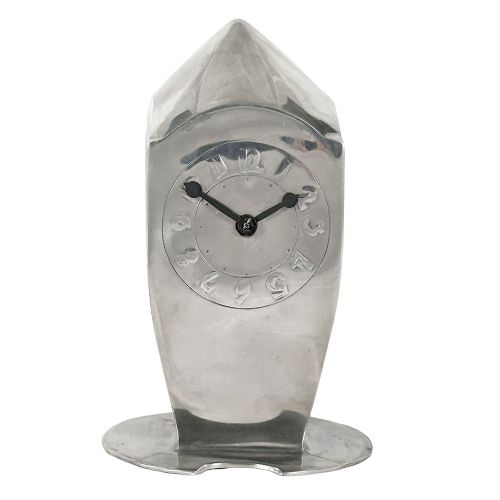
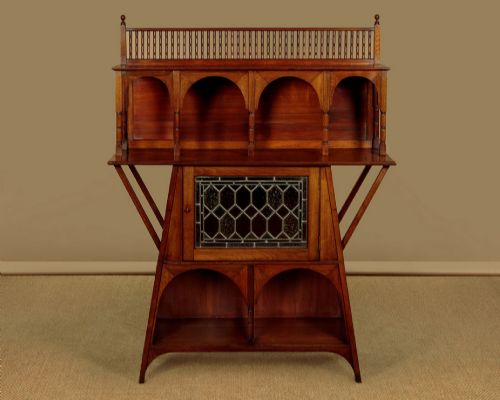
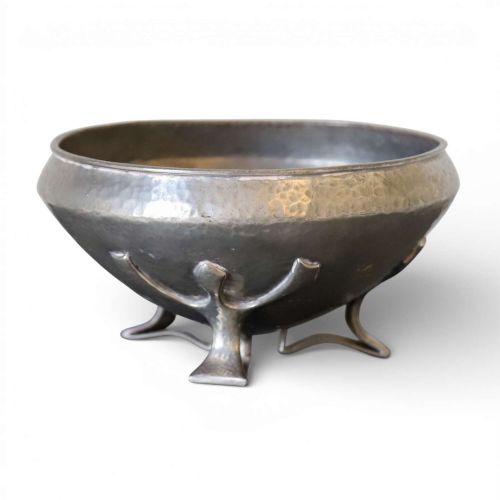
Domestic furniture includes side cabinets, rush-seated chairs and novelty stools constructed from native timbers like oak and ash. Decorative metalwork spans Tudric pewter tableware, copper mirrors and sterling silver accessories bearing distinct modernist motifs.
Quality Variations
Quality rests upon the distinction between mass commercial production and pieces tied directly to named designers and specific studio workshops. Items bearing documented attributions to notable figures command greater attention than unattributed generic stock.
Execution of decorative detail separates standard retail output from exceptional pieces, particularly where hand-chased metalwork or complex cabinetmaking is evident. The integrity of original surfaces, patination on unpolished pewter and intact enamel work define preservation standards.
Listings feature diverse materials including sterling silver, Tudric pewter, oak, bamboo, copper and enamel.
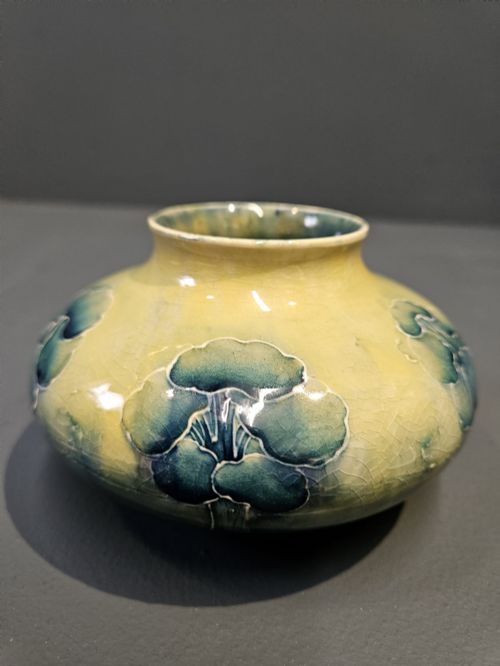
Archibald Knox·William Birch·Oliver Baker·Leonard Wyburd·Moorcroft
The Liberty and Co Glossary
- Tudric
- A trade name used for a brand of pewter ware marketed by Liberty and Co, typically containing a high proportion of tin and antimony.
- Mashrabiya
- An architectural wooden screen composed of turned bobbins fitted together into geometric lattice patterns, seen on Moorish revival furniture.
- Cabochon
- A gemstone or piece of coloured glass shaped and polished as a convex dome rather than faceted, often set into metalwork.
- Thebes Stool
- A low three-legged stool modeled on ancient Egyptian prototypes, popularized during the aesthetic movement by London retailers.
- Arts and Crafts
- A design philosophy emphasising hand craftsmanship, vernacular traditions and simple utility over industrial mass production.
Liberty and Co: Frequently Asked Questions
How do I identify Tudric pewter?
Tudric pieces usually display stamped model numbers on the base, often prefixed with numbers like zero. They frequently incorporate organic motifs characteristic of early twentieth-century design.
Many items also feature inset enamel plaques or woven rattan handles which distinguish them from ordinary utilitarian pewter vessels.
Were all items made by Liberty?
The Regent Street firm functioned primarily as a retailer that commissioned independent workshops, potteries and notable designers to supply goods. Pieces were frequently stamped or labeled with the store name alongside manufacturer marks.
Attributions rely upon matching known design registries, catalogue numbers, or characteristic construction methods associated with specific craftspeople.
What is Anglo-Moorish furniture?
Anglo-Moorish items combine European structural forms with decorative techniques inspired by Islamic architecture and North African craft. They typically feature ebonised frames, bone inlay and complex fretwork panels.
These pieces reflect Victorian enthusiasm for exotic imported styles adapted for London domestic interiors.