

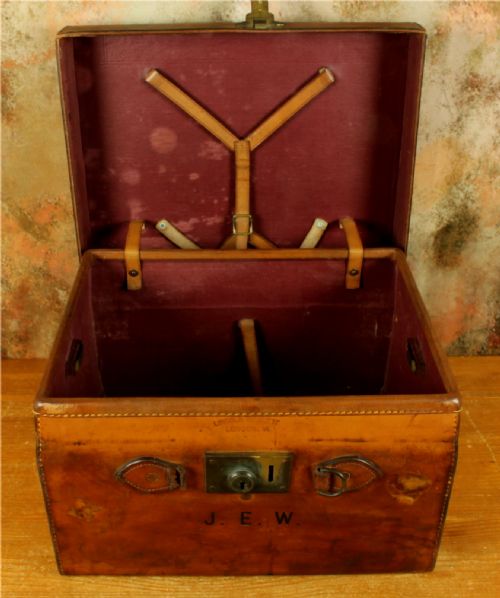


Leather Top Box
Leather top box describes utilitarian and personal storage from past centuries, offering robust construction and aged patination for practical modern interiors.
Leather Top Box
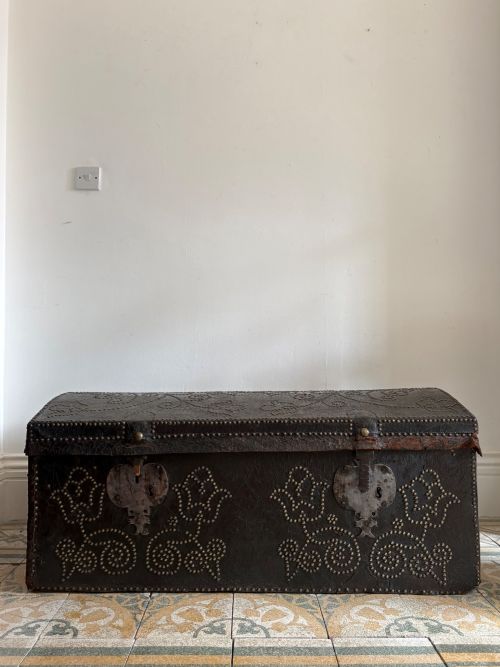
When buyers search for a leather top box, they encounter a diverse array of historical containers ranging from utilitarian travel luggage to domestic storage chests and specialised hat cases. The pieces span multiple eras, including the eighteenth century, the Victorian period, and the nineteen-twenties, reflecting shifting domestic and travel requirements over time.
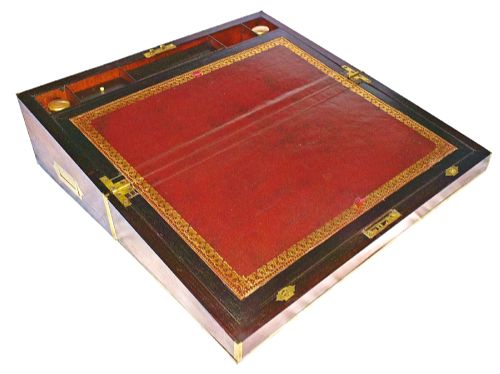
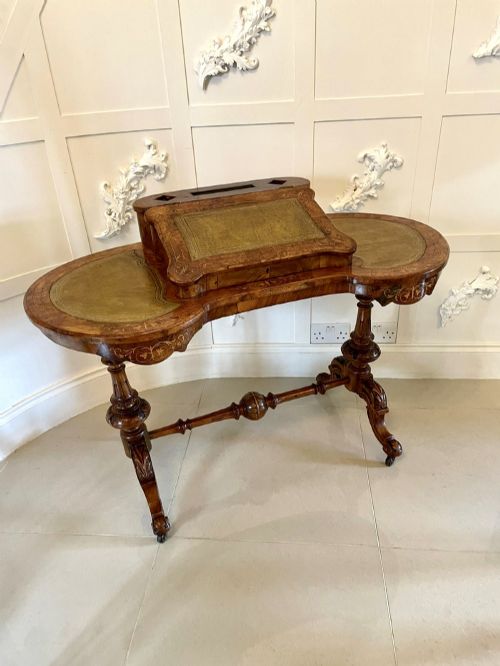
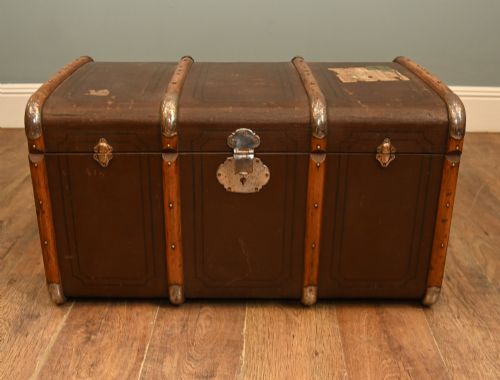
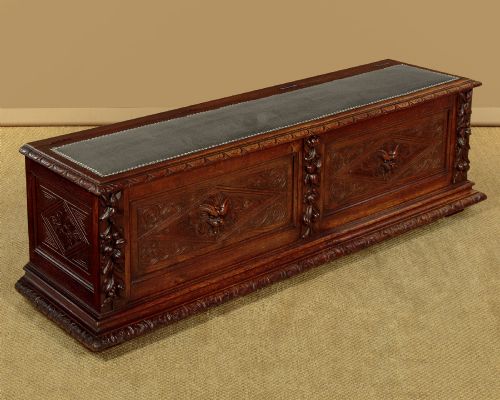
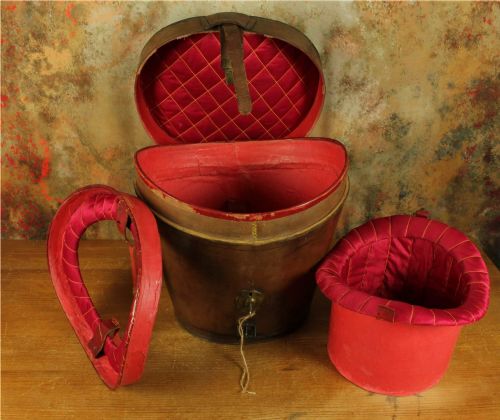
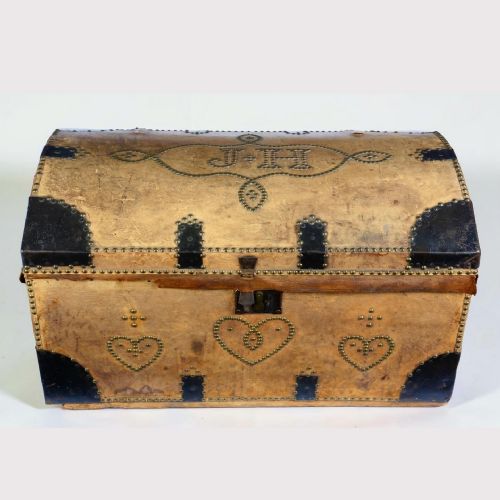
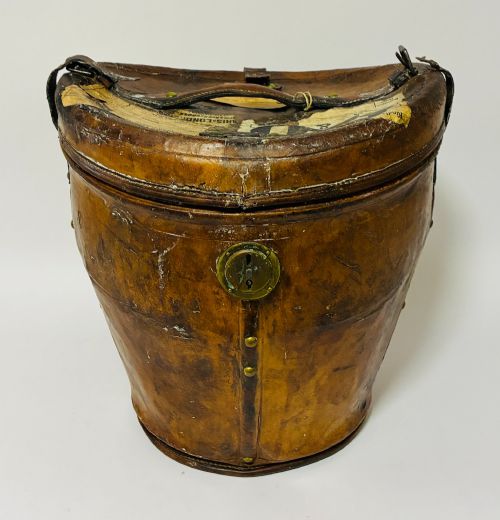
The selection here encompasses several distinct forms such as dome-topped trunks, fitted steamer luggage, double hat boxes, and small storage caskets. Among these, sturdy leather trunks and specialised hat cases appear frequently, alongside occasional writing tables and storage chests featuring hide surfaces.
These items originate from various stylistic traditions including Georgian, Regency, Victorian, and Art Deco design movements. Pieces often display functional adaptations like brass carry handles, internal partitions, and reinforced studwork intended for travel or secure household storage.
Materials and construction
Makers built these containers using robust core frameworks of wood, oak, pine, or metal, which provided structural integrity for travel and daily use. They then covered these foundational bodies in leather, hide, or canvas, securing the outer skin with careful stitching and metal fixtures.
Decorative and functional detailing relied heavily on brass studwork, iron reinforcements, and paper linings, which protected contents and added visual structure to the exterior. Makers often incorporated specialised internal fittings such as silk linings, silver plate, or partitioned trays designed to hold hats, bottles, or writing materials securely.
Leather Top Box Retail Price Guide 2026
Typical asking prices for leather top box among the pieces listed under this phrase on Sellingantiques today, from the lower quarter to the upper quarter. They describe what is for sale here now, not the wider market.
Some Victorian hat storage containers still wait quietly with their original silk top hats tucked securely inside.
Factors of quality
Quality in these storage pieces rests upon the integrity of the core structure and the preservation of the original leather or hide skin. Superior examples retain their structural stability, working hardware, and internal linings without excessive degradation or unauthorized structural alterations.
The precision of decorative brass studwork, the presence of maker or retailer signatures, and the overall depth of patination distinguish exceptional pieces from simpler utilitarian items. Finer specimens display careful craftsmanship in specialised internal fittings and undamaged exterior surfaces that reflect their original deployment.
Arthur Wannop·Lincoln Bennett·Chapple And Sons·Aux Etats Unis·JW Allen
The Leather Top Box Glossary
- Dome top
- A rounded lid construction designed to shed water during travel and increase internal storage capacity. This profile appears frequently on eighteenth-century and Victorian trunks.
- Studwork
- Metal pins or decorative tacks hammered into the exterior leather to secure the covering material and reinforce seams. Brass studwork also created geometric patterns on Spanish and English chests.
- Campaign case
- Portable furniture and luggage built for military officers and travellers on the move. These pieces often feature recessed handles and robust corner brasses.
- Hide
- Untanned or heavy tanned animal skin used for durable outer coverings on early coffers and trunks. It provides a thick, resilient surface that ages with deep patination.
- Steamer trunk
- A lower-profile travel trunk designed to fit beneath cabin berths on ocean liners during the early twentieth century. These cases often combine canvas, wood, and metal construction.
Leather Top Box: Frequently Asked Questions
What is a leather top box used for today?
These historical containers serve well as decorative coffee tables, bedside storage, or blanket chests in contemporary rooms. Their robust interiors accommodate everyday items while adding texture to a space.
Buyers also use specialised hat cases and smaller caskets to display collections or store accessories on shelving units. The aged leather surfaces introduce warmth and historical character to modern interiors.
How do I care for antique leather boxes?
Keep these pieces away from direct sunlight and excessive heat sources to prevent the leather or hide from drying and cracking over time. Gentle dusting with a dry cloth maintains the surface without stripping historical patination.
Avoid using modern chemical cleaners or heavy saddle soaps unless specifically required by the nature of the leather. Maintaining stable indoor humidity levels helps preserve both the exterior skin and any internal wooden or paper elements.
How can I tell the age of a trunk?
Dating relies on examining the construction materials, hardware types, and overall form of the container. Eighteenth-century examples often feature heavy hide coverings with simple iron or brass studded decoration and domed lids.
Later Victorian and early twentieth-century pieces incorporate machine-made brasses, canvas coatings, maker labels, and specialised internal compartments for travel. Stylistic markers from Georgian, Regency, or Art Deco periods also provide reliable chronological clues.