



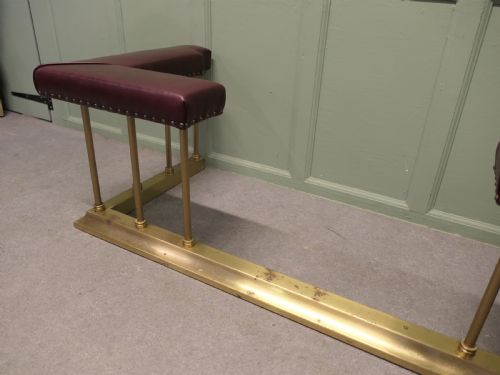


Leather Fireplace Bench
A leather fireplace bench offers a sturdy seat by the hearth, combining metal frames with comfortable upholstered pads.
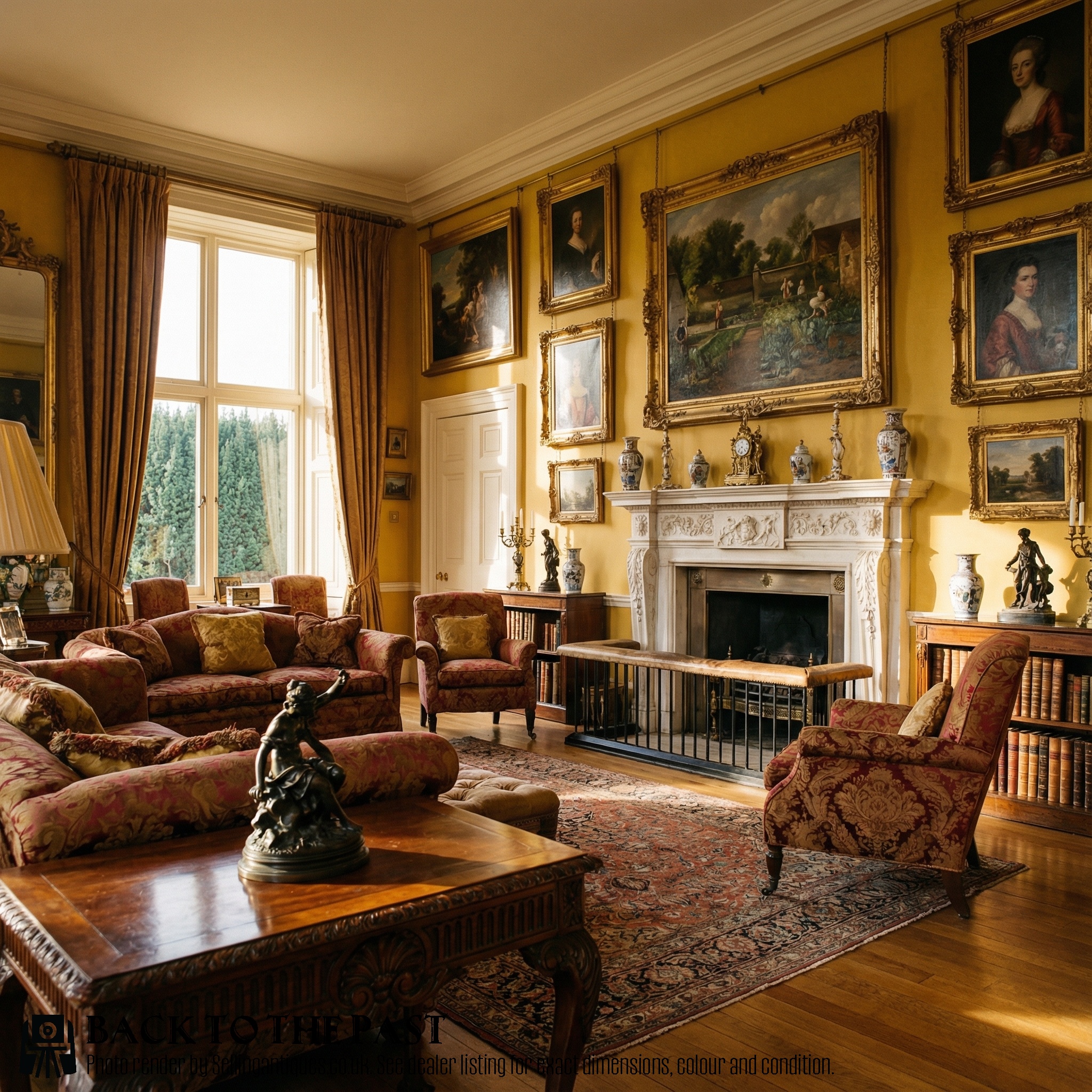
Leather Fireplace Bench
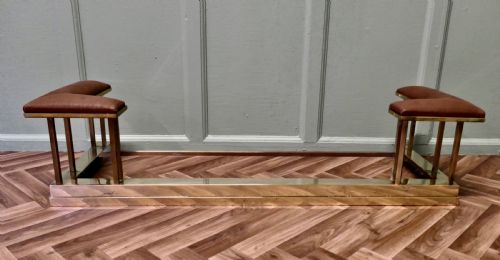
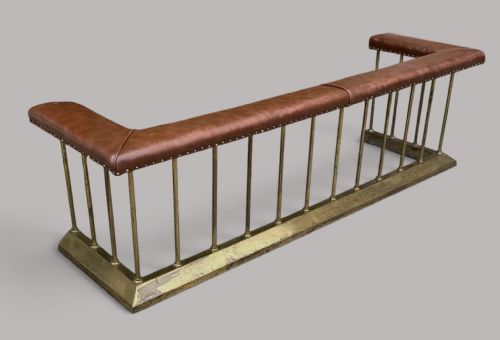
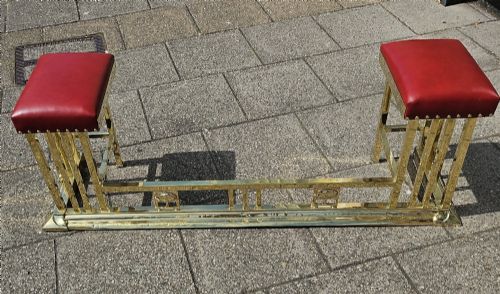
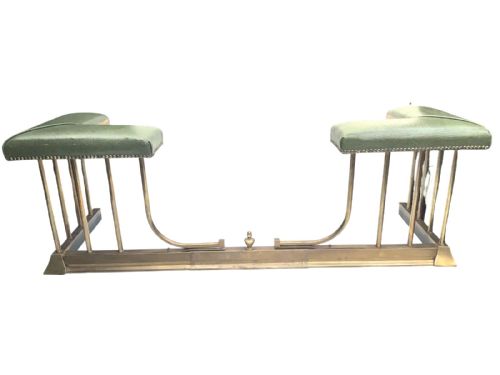
A leather fireplace bench, frequently referred to in these listings as a club fender, provides low seating that wraps around or sits before an open hearth. These pieces are designed to bring comfort directly to the fireside without blocking the warmth.
The selections span from the nineteenth century into the twentieth century, encompassing Victorian, Edwardian, and Art Deco styles. Most examples rely on substantial metal frameworks paired with padded leather seats in shades of tan, green, or brown.
Buyers will encounter various forms, ranging from traditional corner club fenders with upright supports to long footstools and straight fireside benches. Each variation serves the practical purpose of keeping domestic users close to the fire.
Materials and construction
Frames are constructed from brass, steel, iron, wrought iron, and copper, occasionally incorporating walnut or oak elements for structural support. These metals are shaped into sturdy railings and uprights designed to withstand regular domestic use.
Upholstered seats feature durable leather stretched over padding, often styled in the Chesterfield manner with buttoning. Metal components are polished, cast, or patinated to achieve the desired surface finish.
One recorded piece hails directly from the In & Out Club, bringing a touch of London gentleman's club history straight to the hearth.
Distinctions in quality
Quality reveals itself in the substantial weight of the metal framework and the solidity of the corner joints. Heavier brass, cast steel, and wrought iron indicate robust construction designed for long-term endurance.
The grade of the leather and the execution of the upholstery work differentiate standard pieces from finer examples. Deep buttoning, carefully finished hide, and heavy metal casting separate high-grade items from simpler utilitarian versions.
William Birch
The Leather Fireplace Bench Glossary
- Club Fender
- A low upholstered seat frame placed around a fireplace opening. This design originated in gentleman's clubs to provide close warmth.
- Chesterfield Seat
- A deeply buttoned upholstered cushion style associated with traditional British seating. It offers a firm and decorative surface for the bench.
- Wrought Iron
- Iron shaped by heating and hammering by a blacksmith. This material provides textured strength to the fireplace bench frame.
- Cast Steel
- Steel melted and poured into a mould to shape rigid components. It yields strong, precise structural parts for heavy-duty frames.
Leather Fireplace Bench: Frequently Asked Questions
What is a leather fireplace bench used for?
These pieces function primarily as fireside seating, allowing people to sit close to the hearth for warmth. They also act as a physical barrier between the room and the open fire.
Historically, they allowed gentlemen to sit near the flames in clubs and large country houses without crowding the mantelpiece. Today, they serve a similar domestic role while anchoring the fireplace decor.
How do I date a leather fireplace bench?
Dating relies on observing the combination of materials, construction techniques, and stylistic markers present in the frame. Victorian and Edwardian examples often use polished brass with turned spindles, while Art Deco pieces favour heavier iron and streamlined lines.
Checking the hardware, the type of steel or brass casting, and the style of the leather upholstery helps narrow the decade of production. Surviving maker marks can also provide a firm point of reference.
Are these benches comfortable to sit on?
Most examples feature padded leather tops designed for firm seating rather than deep lounging. The upholstery provides a sensible surface that withstands heat and everyday use.
Because they sit low to the ground, they are intended for short periods by the fire rather than general living room seating. The leather top remains cool to the touch away from direct flames.
How do I maintain the leather seat?
Maintenance involves keeping the leather clean and nourished with suitable conditioners to prevent drying out near heat sources. Regular wiping with a soft, dry cloth removes dust and ash particles.
Avoiding placement too close to intense flames protects the hide from cracking over time. Gentle care preserves the natural patina of the mature leather.