



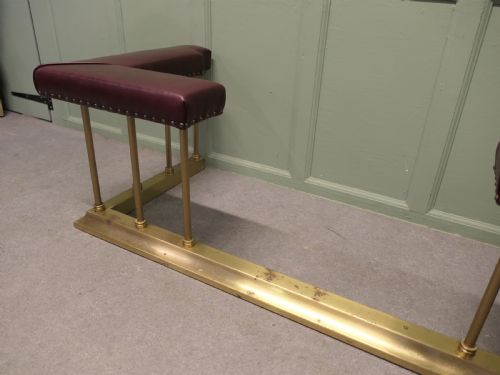


Hearth Bench Seat
A hearth bench seat brings low, fireside seating into the room, combining metal frames with leather or fabric tops.
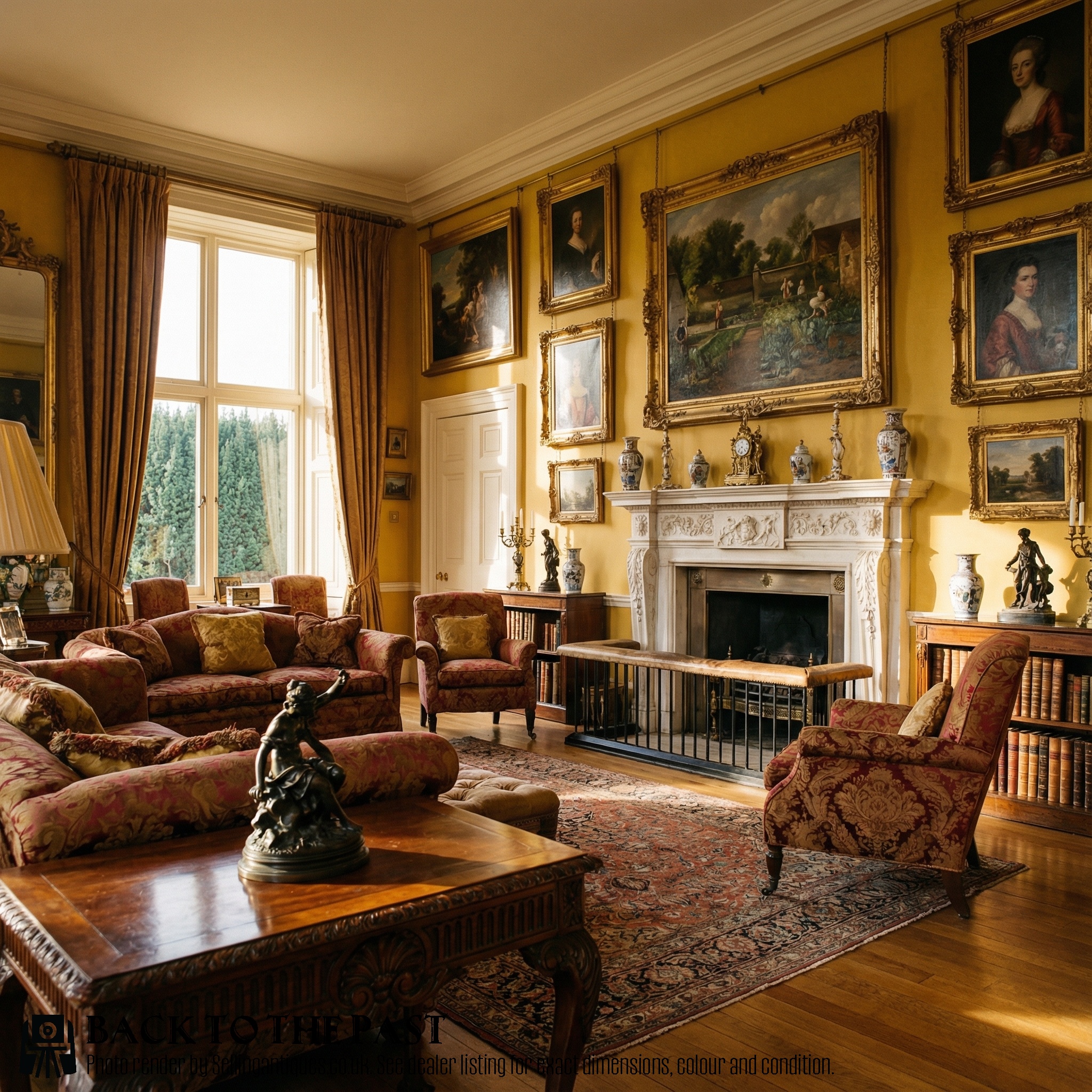
Hearth Bench Seat
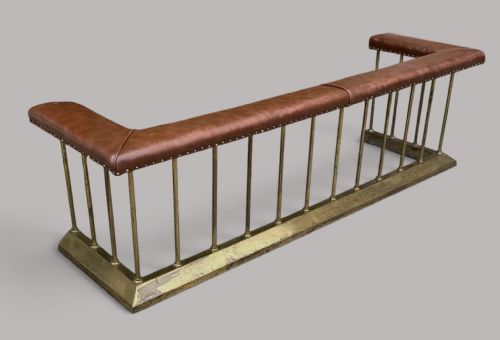
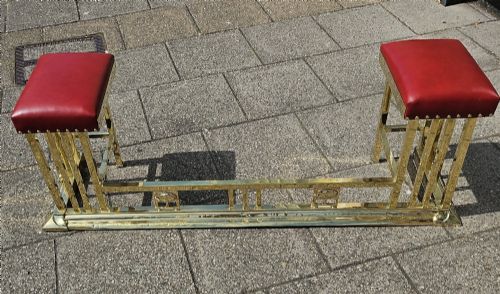
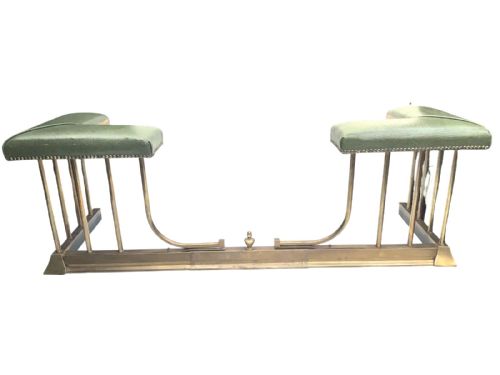
A hearth bench seat takes the form of a club fender or fireside stool, designed to sit directly around or near the fireplace. The listings show these pieces appearing predominantly as club fenders with upholstered tops alongside traditional footstools and fireside benches.
The materials span brass, steel, wrought iron, oak, mahogany, and leather, grounding each piece in solid construction. Buyers encounter these forms across Victorian, Edwardian, and Art Deco periods, reflecting changing domestic habits around the hearth.
Victorian and Edwardian examples dominate the selection, often featuring polished brass or steel structures paired with buttoned leather seating. These variations provide functional seating that frames the fireplace while keeping the user warm.
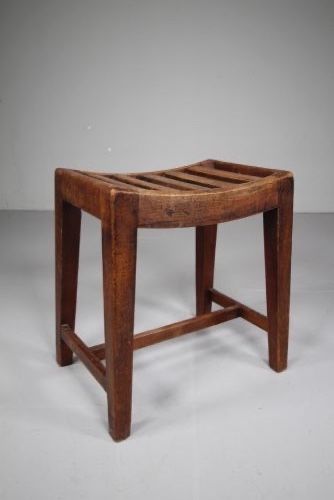
Stools also appear among the selections, utilising mahogany, oak, and rosewood with carved details or cabriole legs. Such pieces extend the concept of low seating beyond the fender into freestanding room additions.
Materials and construction
Makers constructed the metal frames of these seats using cast brass, steel, wrought iron, and copper. These metals provided the necessary structural rigidity to withstand heavy daily use near open fires.
Upholstered surfaces relied on leather, such as tan or green hide, often styled in the Chesterfield manner. Frameworks beneath these seats utilised dense hardwoods like oak and mahogany.
Detailing on the metalwork involved polishing, silvering, or casting into decorative forms. Wood elements featured hand-carved motifs and slatted surfaces that matched the architectural tastes of the period.
Listings feature brass, steel, and wrought iron combined with leather, oak, and mahogany across the Victorian and Edwardian periods.
Judging quality and execution
Quality rests in the substance of the metal frame and the weight of the brass or steel used. Substantial, heavy constructions outlast lighter alternatives and hold their shape better over decades of use.
The execution of the leather upholstery and the joinery in the wooden elements dictate the standard of the piece. Fine stitching, robust buttoning, and tightly fitted joints separate standard utility items from superior examples.
The Hearth Bench Seat Glossary
- Club Fender
- A low, U-shaped seat placed around the hearth, combining a metal frame with padded leather upholstery on top. This form allowed people to sit close to the fire.
- Chesterfield Seat
- Deeply buttoned upholstery finished in leather, providing a cushioned top for prolonged sitting. This style appears frequently on brass and steel frames.
- Wrought Iron
- Iron heated and worked by hand into decorative or structural shapes. It offers a dark, tactile contrast to polished brass components.
Hearth Bench Seat: Frequently Asked Questions
How do I date a brass fender?
Dating relies on examining the manufacturing techniques, metal alloys, and prevailing styles of the period. Victorian and Edwardian examples often display specific casting marks and heavy brass gauges.
Comparing the upholstery style and any accompanying woodwork helps narrow down the decade of production.
Where should I place a hearth bench?
These pieces fit naturally around a fireplace hearth, aligning with their original domestic purpose. They also function as standalone low seating in libraries or studies.
Their compact height allows them to sit comfortably in rooms without blocking sightlines.
Are these seats comfortable?
The inclusion of padded leather tops provides a firm yet comfortable seat. Many feature Chesterfield-style buttoning for added support.
They are intended for short periods of sitting near the warmth of the fire rather than lounging.