


Leather Club Seat
A leather club seat offers deep-sprung comfort and robust hides, bringing substantial warmth to a library or living room.
Leather Club Seat
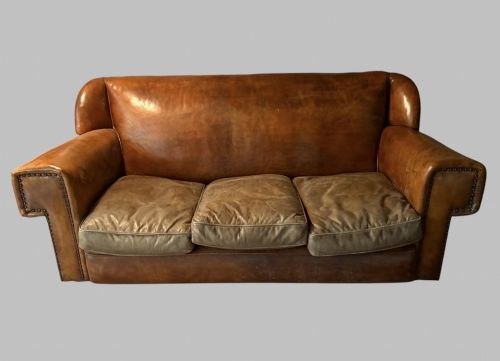
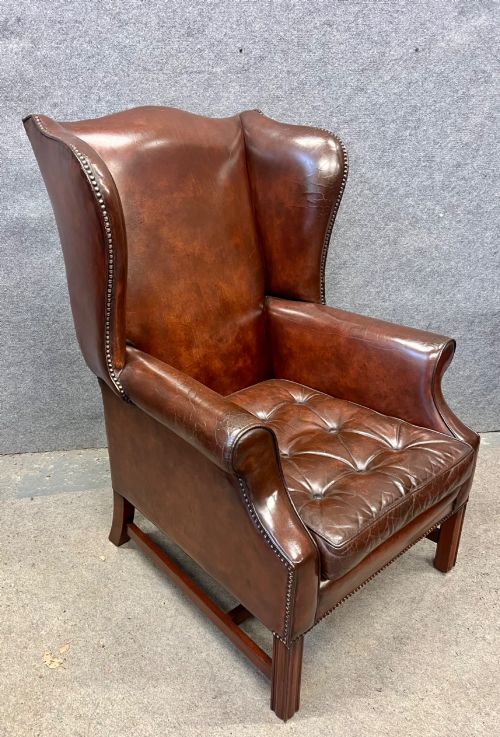
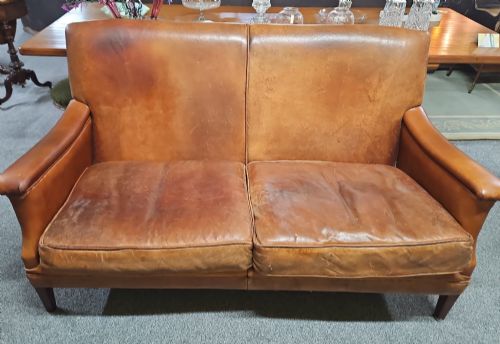
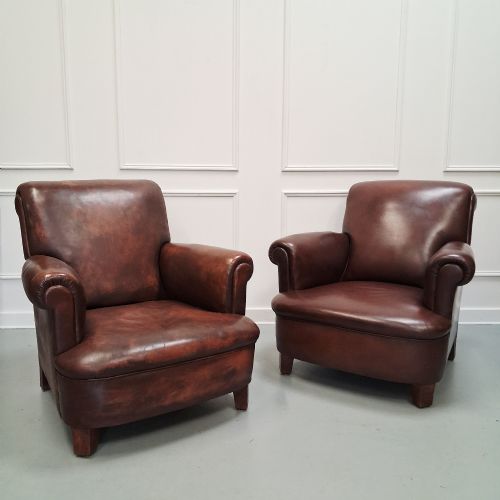
A leather club seat encompasses sturdy armchairs, low fireside chairs, library armchairs and club fenders seen across periods from the nineteenth century to the Art Deco era. Buyers seek these forms for their sturdy frames and tactile hide upholstery, which develops a rich patina over decades of use.
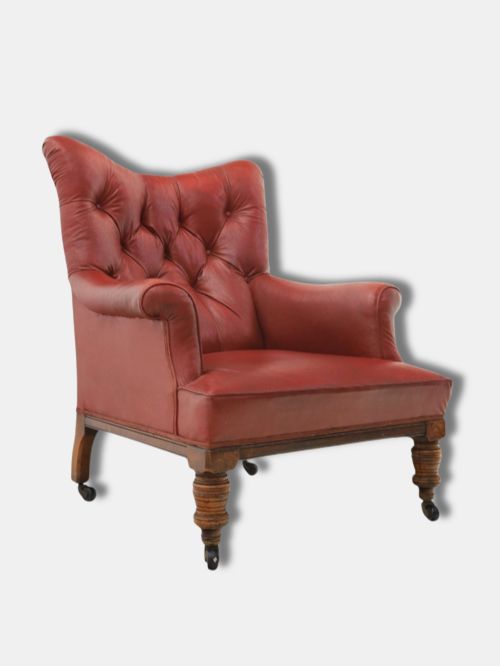
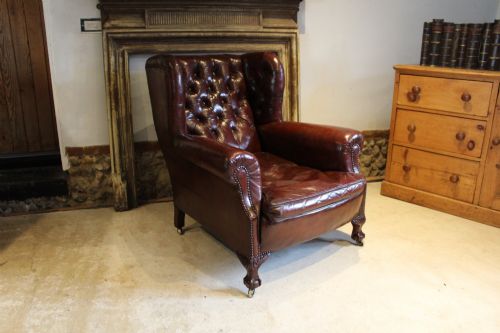
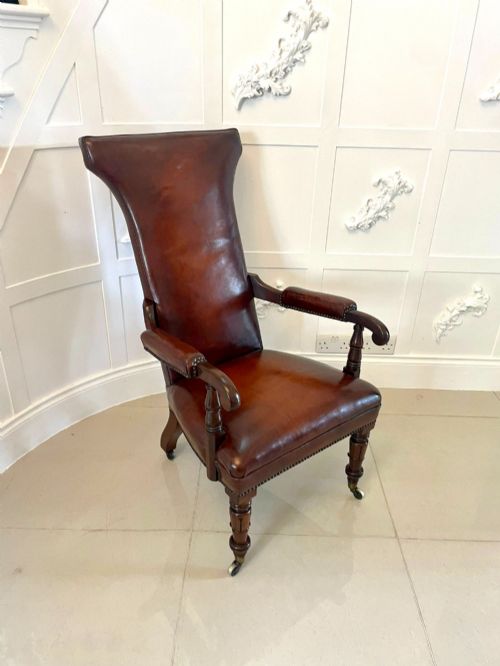
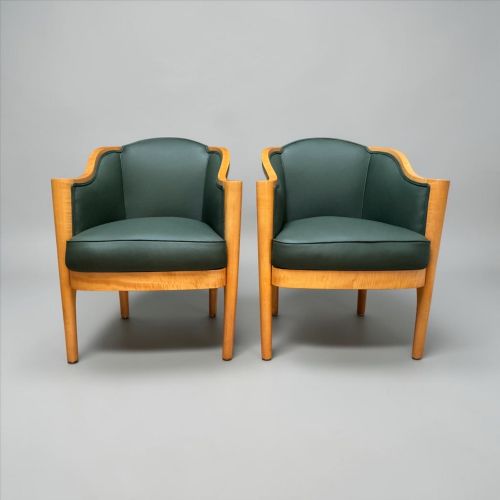
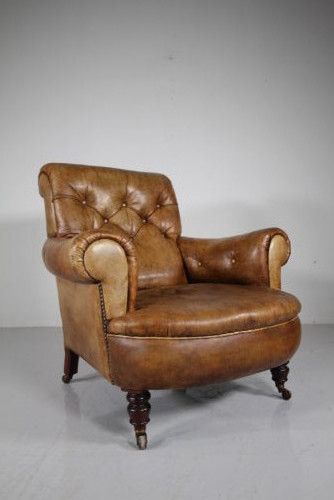
The selections on this page range from Victorian button-backed library chairs in mahogany and walnut to French Art Deco armchairs and club fenders utilising brass and mature tan leather. Armchairs and sofas dominate the listings, alongside occasional chairs and fireside seating originating from British, French, Swedish and North African workshops.
Materials and construction
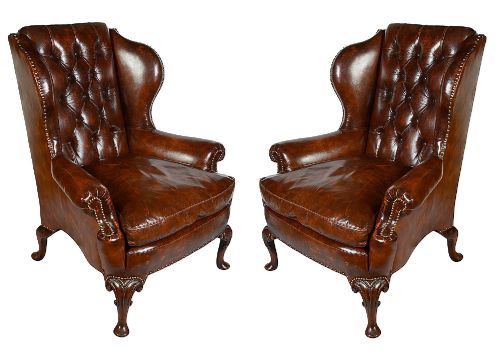
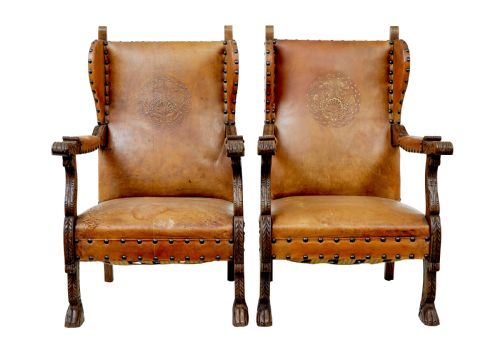
Frames rely on dense timber substrates including mahogany, oak, walnut, satin birch, rosewood and general hardwood, joined to support heavy daily use. Upholsterers stretched thick leather over internal webbing and horsehair stuffing, often securing the edges with brass studding.
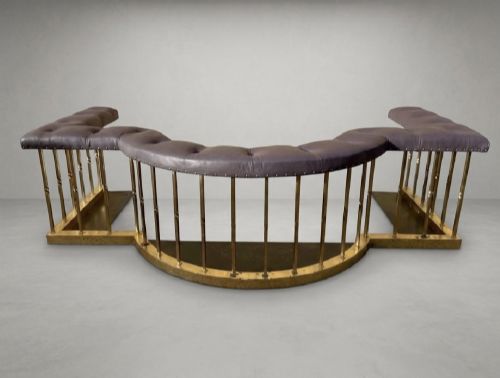
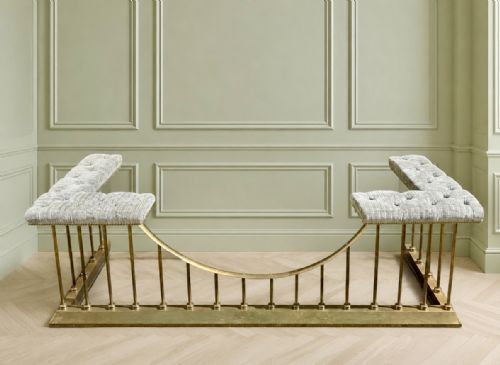
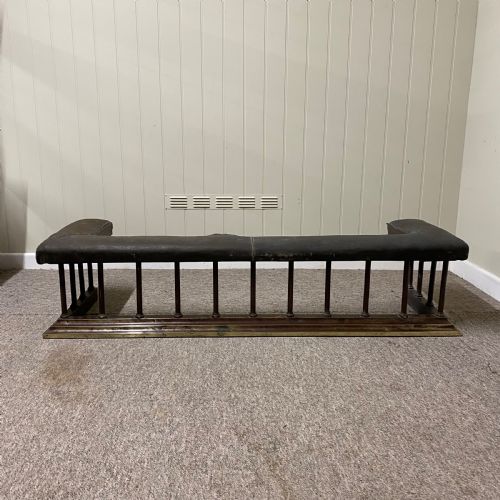
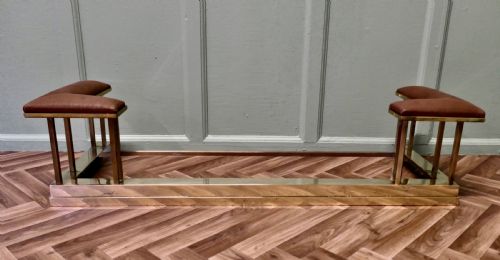
Metal components appear primarily on club fenders, where brass frames combine with leather-topped seats designed for fireside sitting. Wood frames show hand-carved details in Victorian and Georgian revival pieces, contrasting with the streamlined curves of Art Deco satin birch and walnut frames.
Leather Club Seat Retail Price Guide 2026
Typical asking prices for leather club seat among the pieces listed under this phrase on Sellingantiques today, from the lower quarter to the upper quarter. They describe what is for sale here now, not the wider market.
Materials span native hardwoods like oak and mahogany alongside imported satin birch, rosewood, and North African timbers.
Judging the quality
Quality rests on the integrity of the timber frame and the depth of the hide rather than mere surface shine. Heavy, dense hardwoods like mahogany and walnut provide stable skeletons that outlast lighter timbers.
The character of the leather separates ordinary examples from superior ones. Skins that retain natural grain and suppleness, showing even wear and rich tones, indicate a higher grade of initial material and careful tanning.
Maurice Adams·Hille·Harry and Lou Epstein
The Leather Club Seat Glossary
- Club fender
- A low fireside seat with a metal frame and leather-upholstered top rails, originally designed to keep sitters close to the hearth. These pieces combine brass structures with padded leather cushions.
- Button-back
- An upholstery technique where deep buttons are pulled tight into the padding to create a uniform diamond pattern. This method secures the internal filling and provides firm support.
- Library chair
- A heavy, substantial armchair designed for reading rooms, typically constructed from mahogany or walnut with leather upholstery. These chairs emphasise ergonomic support for extended sitting.
- Chesterfield
- A traditional sofa or armchair characterised by rolled arms and backrests of the same height, upholstered in buttoned leather. The style provides deep, enclosing seating.
Leather Club Seat: Frequently Asked Questions
What is a club fender?
A club fender is a low-built metal structure featuring padded leather top rails, designed to sit directly around a fireplace hearth. It provides both a protective barrier against sparks and additional seating.
Originating in nineteenth-century British homes, these brass and iron pieces allowed occupants to sit close to the fire in comfort. They remain popular for adding functional seating to traditional hearths.
How do I date a leather armchair?
Dating relies on observing the interplay of frame timber, leg style and upholstery technique. Victorian examples often display carved mahogany or walnut frames with deep buttoning, while Art Deco pieces favour streamlined shapes in satin birch or walnut.
Construction methods also guide attribution, as older pieces use traditional joinery and hand-forged metalwork before later industrial standardisation. Comparing the silhouette to documented period styles clarifies the era of manufacture.
How should I care for antique leather?
Antique leather benefits from regular dusting and occasional treatment with appropriate leather dressings or balms to prevent the hide from drying out. Keeping seats away from direct sunlight and heat sources preserves the natural oils in the skin.
Avoiding harsh chemical cleaners ensures the historic patina remains undisturbed. Gentle maintenance keeps the leather supple without altering its appearance.
Are these chairs comfortable for daily use?
Most antique club seats and library armchairs were engineered for substantial daily use, utilising sprung interiors and dense horsehair stuffing. Their robust construction supports extended sitting.
Generous proportions and supportive backrests make them practical for modern living rooms and studies. The heavy frames and thick hides ensure they withstand regular occupation.