

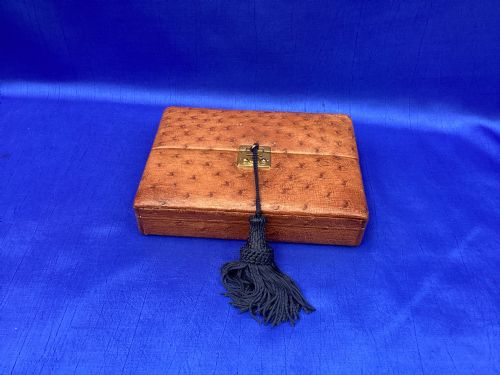
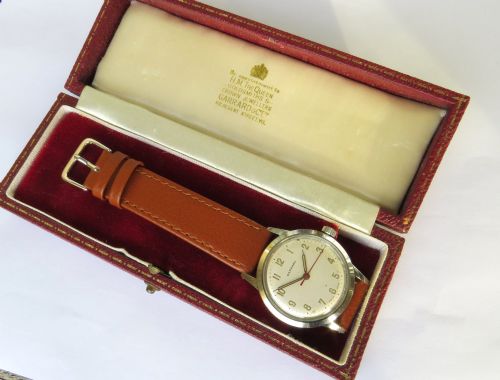
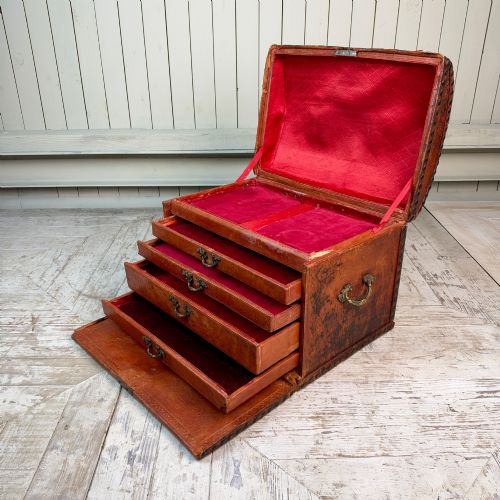
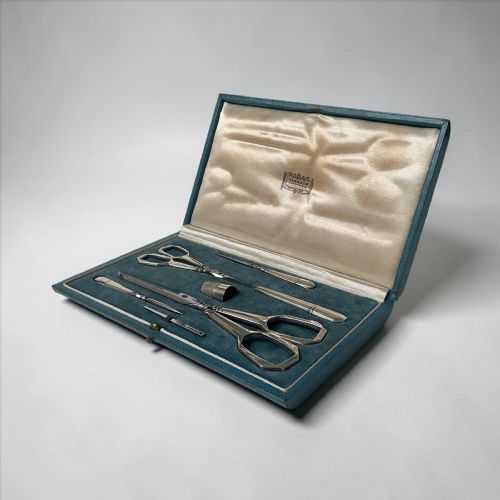
Leather Cased Box
When you search for a leather cased box, you enter a utilitarian world of stout travel trunks, fitted dressing cases, and delicate jewellery caskets.
Leather Cased Box
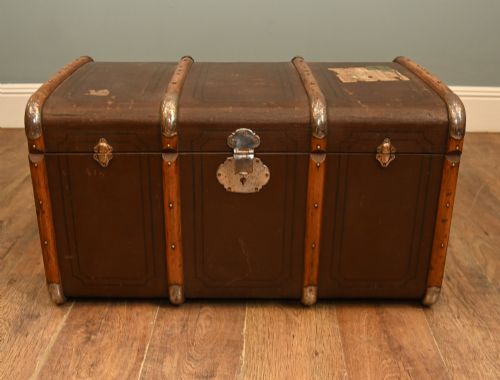
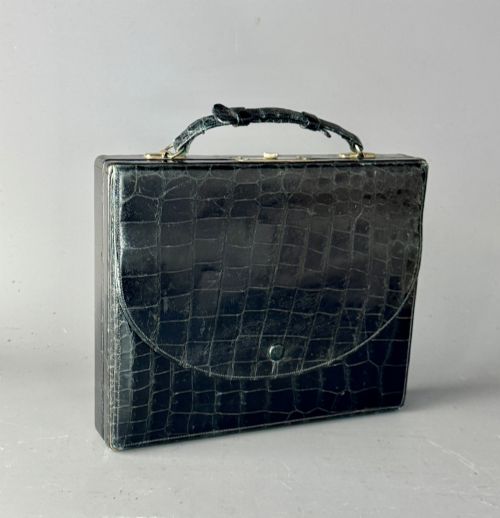
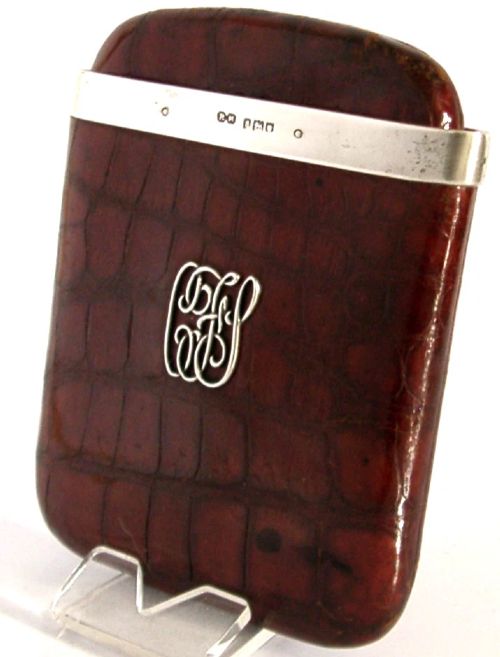
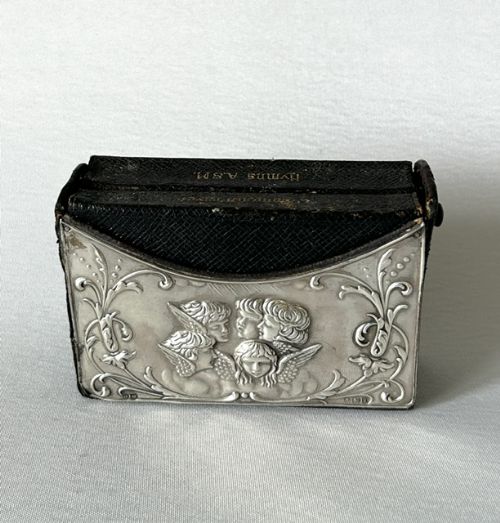
A leather cased box represents a portable receptacle designed for travel, storage, or the containment of personal valuables. Buyers seeking a leather cased box encounter items ranging from compact desk accessories and jewellery boxes to large steamer trunks and hat boxes.
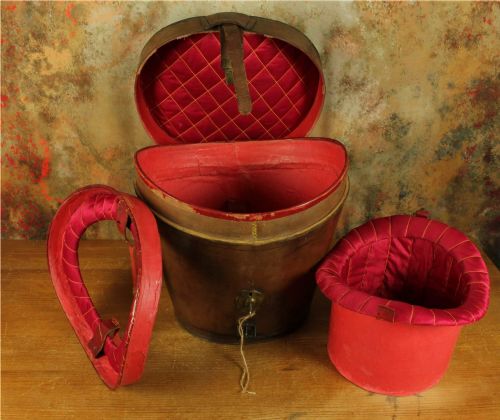
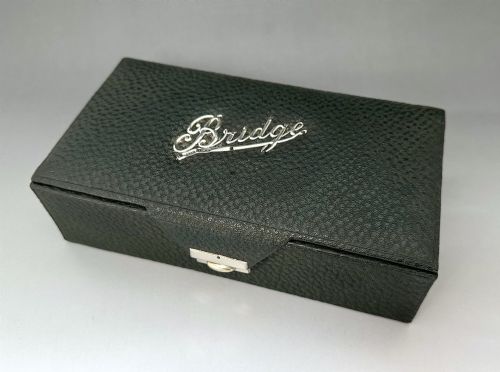
The selections span the Victorian, Edwardian, and Art Deco periods, extending into the early twentieth century and the nineteenth century. Common forms include apothecary cases, bridge boxes, vanity cases, and multi top hat cases.
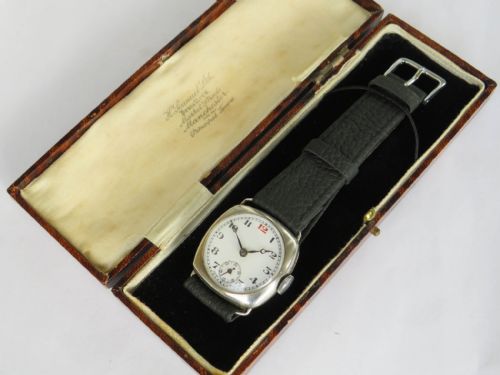
Originating largely from domestic and travel contexts, these pieces reflect the shifting transport and personal luggage requirements of past centuries. Many examples incorporate fitted interiors tailored for specific objects such as bottles, watches, or writing instruments.
How They Were Made
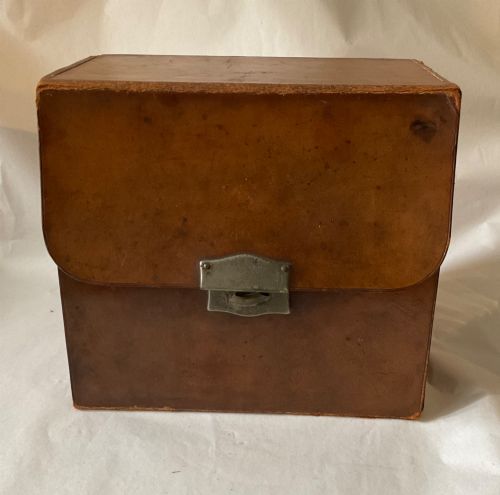
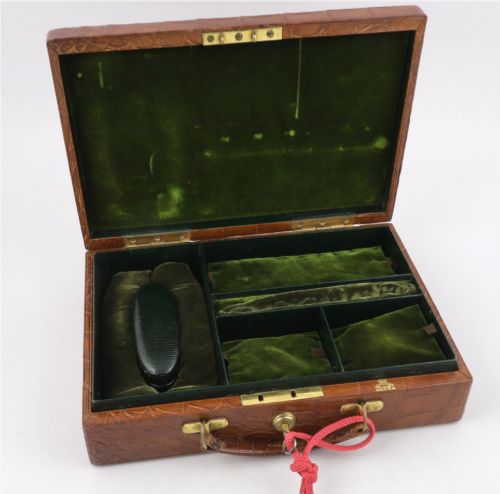
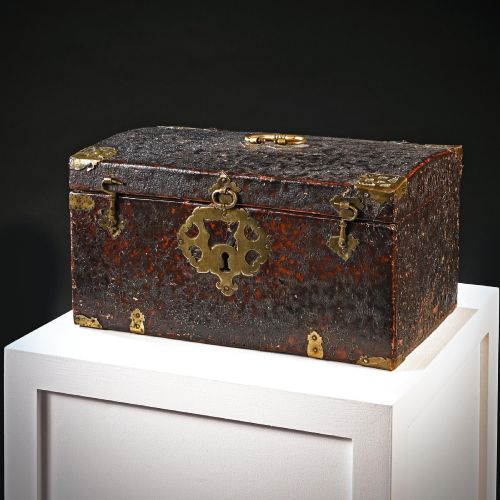
Construction relies upon a robust core of wood, metal, or canvas enveloped in leather or crocodile leather. Artisans applied brass hardware, locks, and studs to reinforce the structure and secure the contents.
Interiors frequently utilise velvet, glass, and sterling silver fittings, reflecting meticulous attention to functional design. Outer surfaces display tooling, grain textures, and occasionally monograms or travel labels.
Leather Cased Box Retail Price Guide 2026
Typical asking prices for leather cased box among the pieces listed under this phrase on Sellingantiques today, from the lower quarter to the upper quarter. They describe what is for sale here now, not the wider market.
Periods represented span the seventeenth century, the Regency era, the Victorian period, and Art Deco designs.
What Varies in Quality
Quality rests upon the integrity of the structural core, the grade of the leather, and the completeness of internal fittings. Superior examples retain original locks, keys, and specialised compartments without extensive replacement.
The refinement of the exterior tooling and the quality of internal silver, glass, or velvet components distinguish standard utility pieces from luxury travel goods. Maker attribution, through stamps or original labels, further elevates the standing of an item.
Dunhill London·J C Vickery·F. West·Lincoln Bennett·JW Allen·Chapple & Sons·Cartier·Nathaniel Mills
The Leather Cased Box Glossary
- Apothecary case
- A portable container fitted for medical bottles and remedies. These boxes often feature secure internal dividers to protect glass vials during transit.
- Vanity case
- A compact storage item designed for cosmetics and grooming accessories. They frequently incorporate mirrors and specialised compartments lined in silk or velvet.
- Steamer trunk
- A large luggage case built for ocean or rail travel. Their lower profile allowed them to fit beneath passenger cabin berths.
- Vinaigrette
- A small ornamental box holding a perforated grille beneath the lid, saturated with aromatic vinegar on a sponge. They were popular in the nineteenth century for warding off unpleasant odours.
- Campaign case
- A sturdy trunk or chest constructed for military officers on active service. These pieces usually incorporate brass corners and recessed carrying handles for durability.
Leather Cased Box: Frequently Asked Questions
What fits inside a leather cased box?
These boxes accommodated diverse personal items depending on their original purpose, ranging from jewellery and writing instruments to top hats and whisky bottles. Many contained specialised fitted compartments designed for specific travelling equipment.
Smaller variants housed stamps, playing cards, or prayer books, while larger trunks transported extensive wardrobes and luggage for journeys.
How do I identify a Victorian box?
Victorian examples often display robust construction in leather, oak, or walnut, accompanied by heavy brass hardware and intricate tooled decoration. Their design priorities centred on utility and durable travel.
Interior linings typically utilise velvet, silk, or leather, frequently featuring maker stamps from established nineteenth-century retailers.
Where were these boxes used?
Owners utilised these pieces during domestic daily routines or while undertaking extensive travel by rail, steamship, and carriage. Trunks and hat cases accompanied passengers on long journeys, whilst smaller caskets remained upon dressing tables or desks.
Military officers and explorers relied upon robust campaign cases designed to withstand harsh transport conditions.
How do I care for antique leather?
Maintain the material by keeping it away from direct sunlight and excessive moisture to prevent the leather from drying or cracking. Gentle dusting preserves the surface without damaging historic finishes.
Avoid applying modern chemical treatments that might alter the original texture and colour of the hide.