
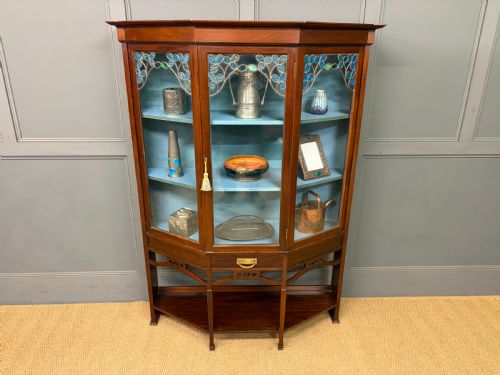

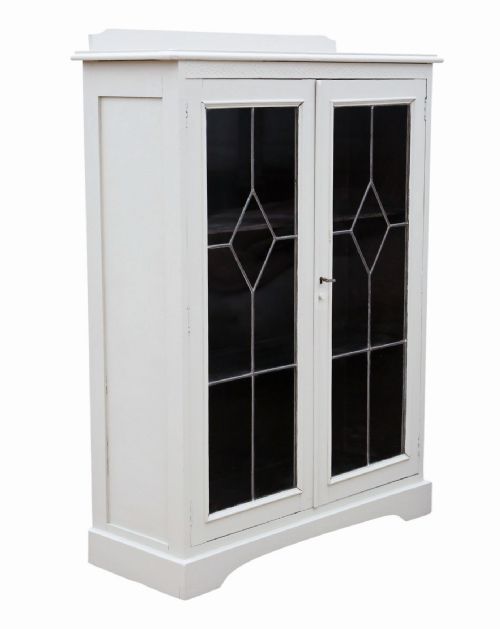


Leaded Glazing Cupboard
A leaded glazing cupboard brings architectural warmth to a room, storing books and display items behind patterned glass panes held by metal cames.
Leaded Glazing Cupboard
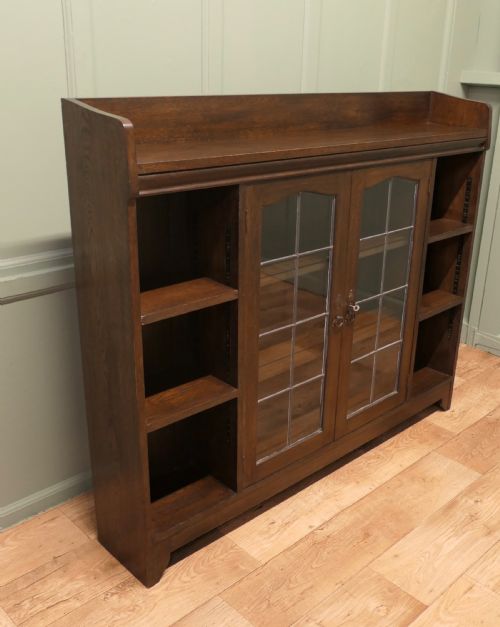
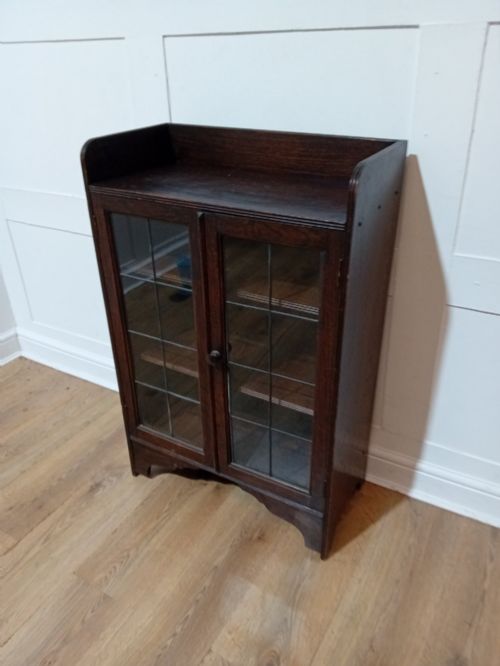
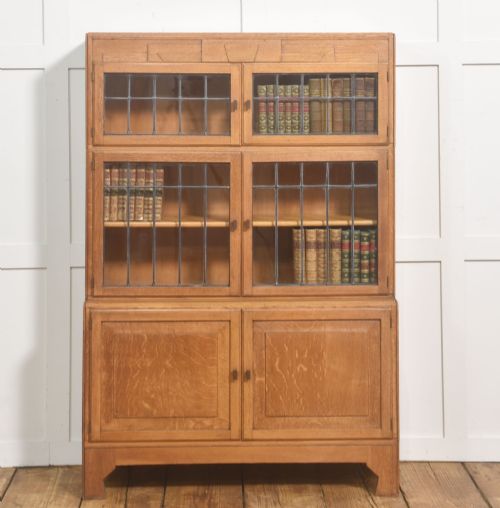
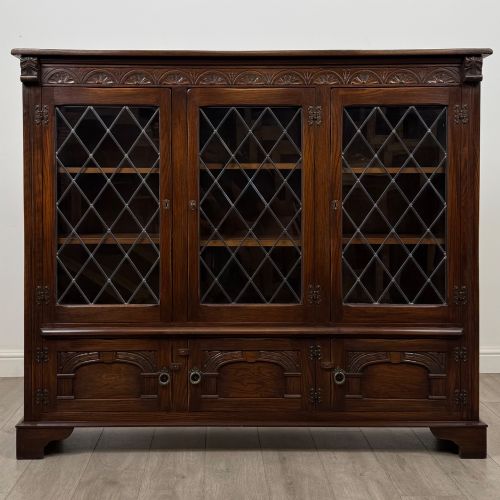
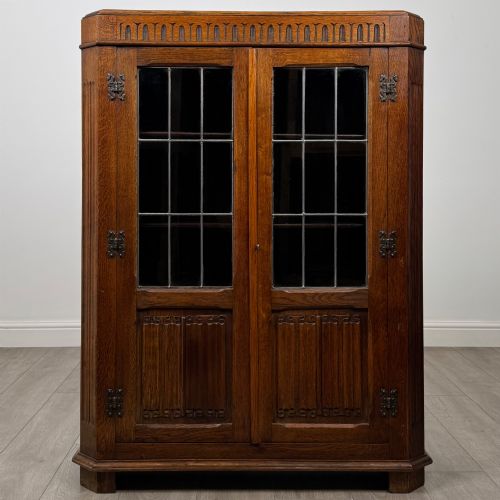
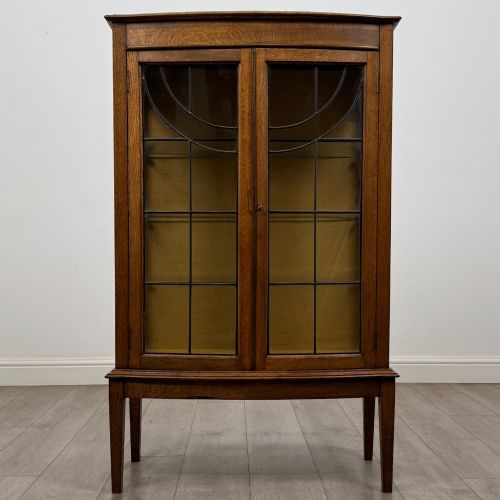
A leaded glazing cupboard is primarily found in forms such as bookcases, display cabinets, and corner cupboards originating from the nineteenth and early twentieth centuries. These pieces combine wooden frames with glass panels secured by lead strips, serving both storage and display functions.
The version most commonly met on this page is the oak bookcase or display cabinet from the Edwardian period or the Arts and Crafts movement. These items often feature leaded glass doors alongside open shelving or carved wooden details.
Origins span British workshops of the Victorian and Edwardian eras, alongside stylistic revivals like Jacobean and Tudor. Pieces range from compact dwarf cabinets to large stacking barrister bookcases.
How they were made
Construction relies heavily on solid timber frames, predominantly oak and mahogany, joined with traditional cabinet-making techniques. Back panels and internal shelves frequently utilise secondary woods suited to structural support.
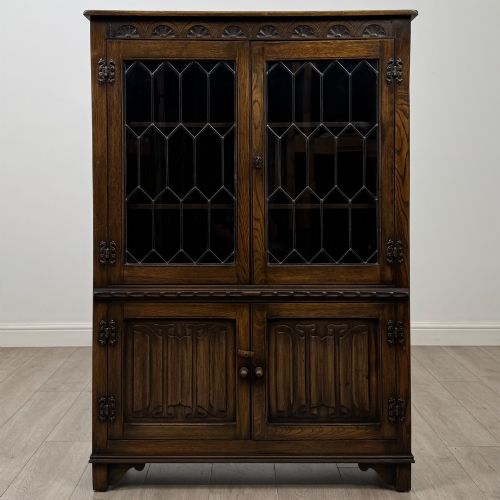
Glazing involves individual panes of glass held together by lead cames, soldered at the joints to form geometric or organic patterns. Brass and iron hardware, including hinges and handles, secure the doors and drawers.
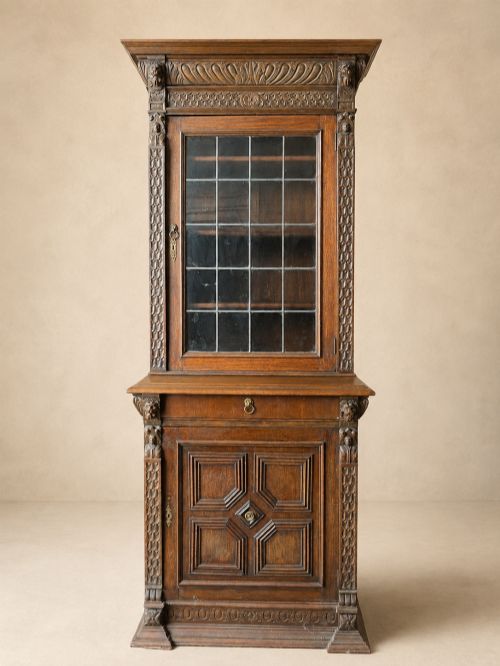
Surface finishes include carved detailing, linenfold panels, and inlaid wood motifs. Some examples incorporate painted finishes or polished wood surfaces to highlight the grain.
Listings feature oak and mahogany predominantly, alongside glass, lead, brass, and iron materials across Victorian, Edwardian, and twentieth-century periods.
What varies in quality
Quality separates along the precision of the woodwork and the integrity of the leaded glazing. Finer examples display tightly fitted joints, well-executed carving, and substantial timber thickness rather than thin veneers.
The design of the lead work itself dictates much of the visual merit. Cleanly soldered cames holding clear or slightly textured glass reflect superior workshop standards compared to loose frames or replacement glass panels.
Hardware and secondary materials also indicate standard. Solid brass hinges and locks match the period better than later replacements, while robust internal shelving supports heavy volumes without sagging.
The Leaded Glazing Cupboard Glossary
- Came
- A slender grooved strip of lead used to hold together pieces of glass in a leaded window or cabinet door. These strips form the structural grid of the glazing.
- Barrister bookcase
- A type of enclosed bookcase featuring stacked, glazed shelf sections with upward-lifting doors. These units allow books to be stored and accessed efficiently.
- Linenfold
- A style of wood carving that resembles folded parchment or linen fabric. It appears frequently on panels of cupboards and cabinets from revival periods.
- Dwarf cabinet
- A low-standing piece of furniture designed for display or storage without reaching full height. They function well beneath windows or along smaller wall spaces.
- Inlay
- A decorative technique where contrasting materials such as lighter woods are fitted into depressions within a solid wood surface. This creates flat patterns and borders.
Leaded Glazing Cupboard: Frequently Asked Questions
What is a leaded glazing cupboard?
A leaded glazing cupboard is a wooden storage or display unit featuring glass doors held together by lead cames. These pieces range from tall bookcases to low corner cabinets.
They emerged largely during the nineteenth and early twentieth centuries, incorporating styles like Arts and Crafts, Edwardian, and Victorian revivals.
How were these cupboards used?
These cabinets served primarily to store and display books, china, and decorative objects while protecting them from dust. The glazed doors allowed contents to remain visible.
Many examples combine enclosed shelving with open compartments, functioning as multi-purpose furniture for studies, living rooms, and libraries.
How do I live with one?
Living with a leaded glazing cupboard involves placing it away from direct sunlight to protect antique timber and glass. Regular dusting keeps the lead cames and wood clean.
Ensure the floor is level so the doors hang properly and swing open without catching on the wooden frame.
How can I tell periods apart?
Periods reveal themselves through timber choice, hardware, and decorative motifs. Victorian and early pieces often feature heavier carved oak, while Edwardian items lean toward inlaid mahogany or lighter oak.
Arts and Crafts examples emphasise honest construction and simple geometric lead work, whereas revival styles copy earlier seventeenth-century linenfold and panel designs.