




Lead Glass Sweetmeat
Lead glass sweetmeat glasses and associated early tablewares combine brilliant metal with high-stemmed forms designed for confections.
Lead Glass Sweetmeat
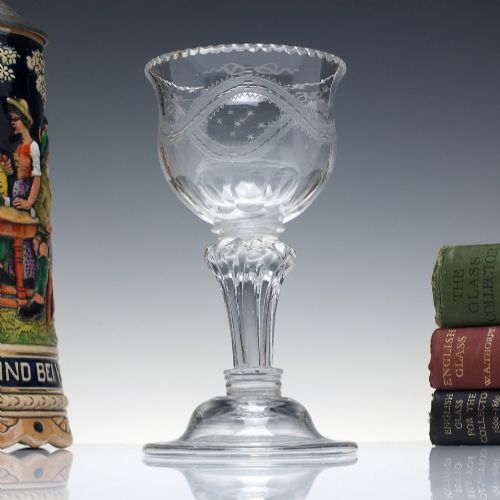
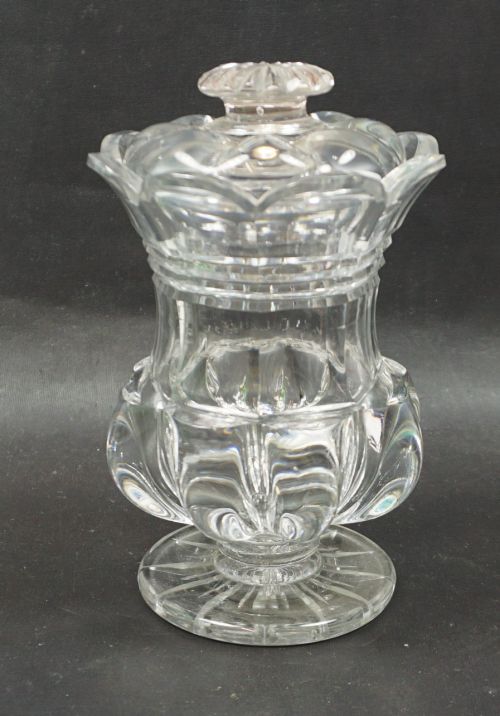
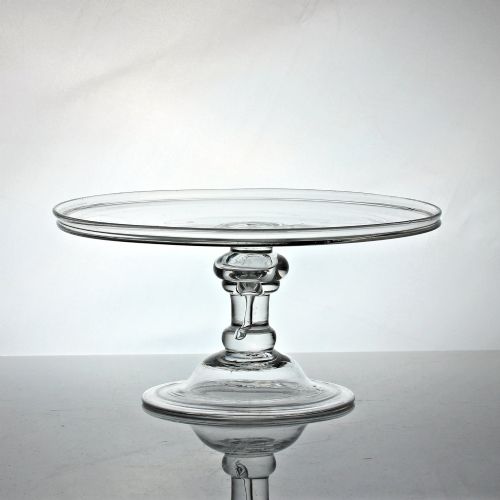
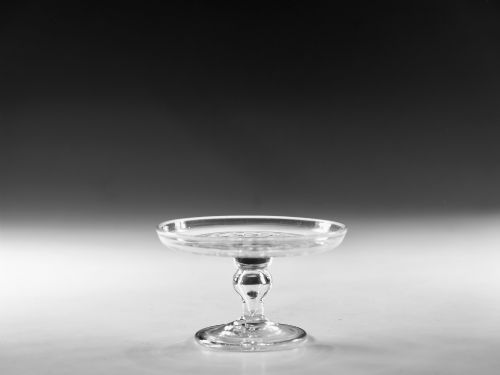
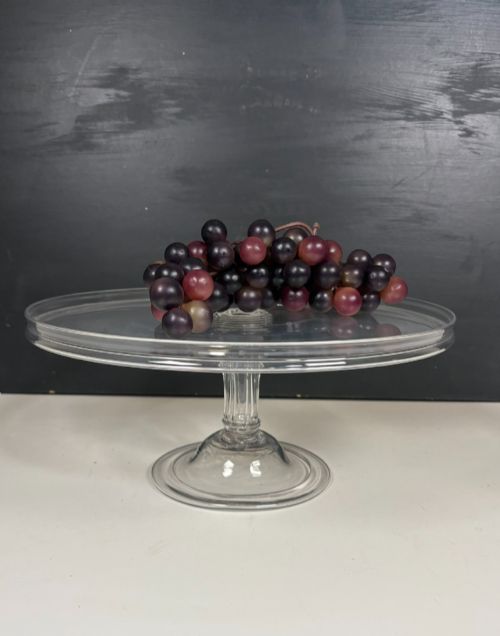
A lead glass sweetmeat piece serves sugar confectioneries, sweetmeats, jellies, and patches across Georgian and Victorian households. These items include tall-stemmed sweetmeat glasses, shallow tazzas, patch stands, bonnet glasses, and small lidded jars.
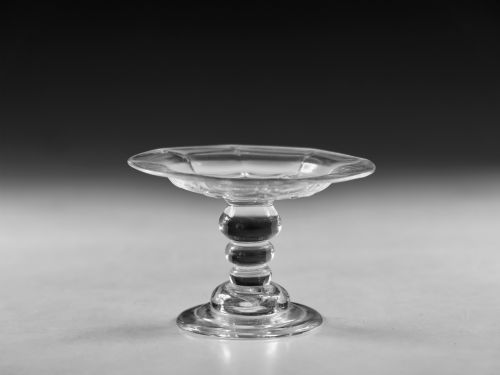
The versions most commonly met on this page belong to the eighteenth century, particularly the Georgian era, featuring heavy baluster stems, folded feet, and moulded honeycomb bowls.
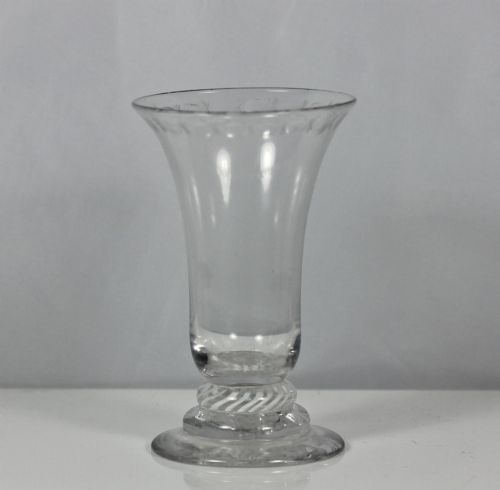
Makers shaped these servewares from dense lead glass and flint glass, sometimes incorporating opaque twists within the stem or enriching the surface with geometric cutting.
Manufacture and Materials
Craftsmen utilised heavy lead glass and flint glass to achieve deep refractive brilliance and substantial weight in each vessel. Molten metal was blown, manipulated with tooling, and frequently finished on the pontil rod.
Stems and bowls often employed specialised techniques such as rib-moulding, honeycomb moulding, or air and opaque twist formations. Foot rims were frequently folded under to provide stability and strength to the base of the tall stem.
Lead Glass Sweetmeat Retail Price Guide 2026
Typical asking prices for lead glass sweetmeat among the pieces listed under this phrase on Sellingantiques today, from the lower quarter to the upper quarter. They describe what is for sale here now, not the wider market.
Tiny patch stands were manufactured small enough to sit on a dressing table and hold courtly beauty spots made of court plaster.
Quality and Distinction
Quality rests in the crispness of the moulding, the depth of the metal, and the proportion between the bowl, stem, and foot. Earlier eighteenth-century examples display greater weight in the metal and hand-finished details.
The complexity of the stem structure, whether baluster knops or double series opaque twists, elevates the piece. Surface treatment, such as clean geometric cutting or well-defined ribbing, also separates standard items from finer works.
The Lead Glass Sweetmeat Glossary
- Sweetmeat glass
- A stemmed glass vessel with a wide, shallow bowl intended for serving sweet confections and nuts. These pieces often feature tiered feet and elaborate knopped stems.
- Tazza
- A shallow saucer or bowl mounted on a raised foot or pedestal stem. Used on the dining table for presentation of small dishes.
- Patch stand
- A tiny pedestal dish used to hold small cosmetic patches worn on the face during the eighteenth century. They share identical forms with miniature sweetmeat plates.
- Baluster stem
- A thick, heavy glass stem shaped with swelling knops reminiscent of architectural balusters. This form dominates early eighteenth-century English lead glass.
- Opaque twist
- A decorative thread of white or coloured enamel glass enclosed within the transparent stem. This technique creates intricate linear patterns inside the glass rod.
Lead Glass Sweetmeat: Frequently Asked Questions
What is a lead glass sweetmeat?
A lead glass sweetmeat is an antique vessel designed specifically for serving small sugary confections, nuts, and dry sweetmeats at formal dining tables. These pieces typically feature a wide, shallow bowl mounted upon a stem and foot.
They emerged during the seventeenth and eighteenth centuries when sugar was an expensive luxury. The heavy lead content gives the glass its characteristic brilliance and ringing tone.
How were sweetmeat glasses used?
Hosts placed these vessels on dining tables as part of dessert courses or sweet service. Guests would take sweetmeats, jellies, or small preserved fruits directly from the shallow bowl.
Smaller variants, such as patch stands, served on dressing tables to hold cosmetic face patches. Larger tazzas and stands held multiple small dishes of sweet treats.
How do you date eighteenth-century glass?
Dating relies on stylistic shifts in stem formation, bowl shape, and foot construction. Early pieces from the first half of the century favour heavy baluster stems and folded feet.
Later decades introduced air twists, opaque twists, and more refined cutting techniques. Pontil marks on the base also offer clues regarding the period of manufacture.
What distinguishes a tazza from a sweetmeat?
A tazza is generally flatter and wider, functioning as an elevated plate for displaying various small items or dishes. A sweetmeat glass possesses a deeper bowl suited for holding loose confectionery.
Despite this distinction, many Georgian forms overlap, as shallow sweetmeat plates and patch stands share the same profile as miniature tazzas.