

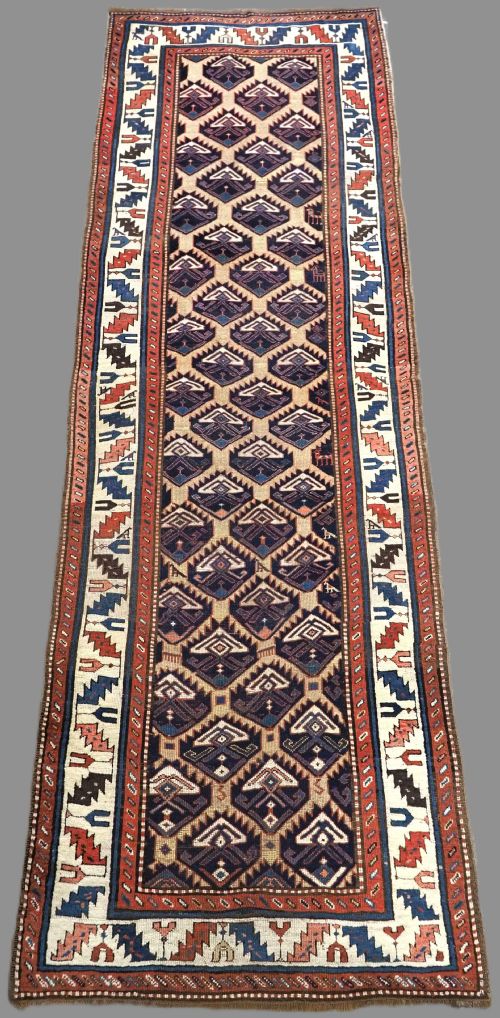


Lattice Design Rug
A lattice design rug offers a structured geometric framework that anchors a room with traditional tribal artistry.
Lattice Design Rug
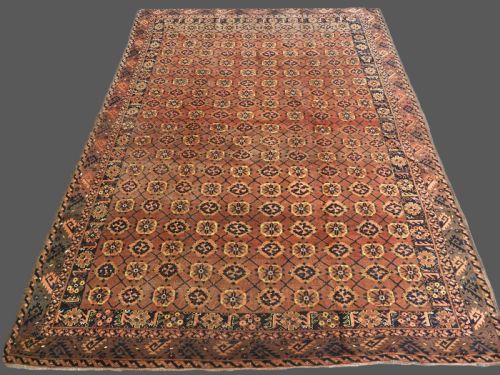
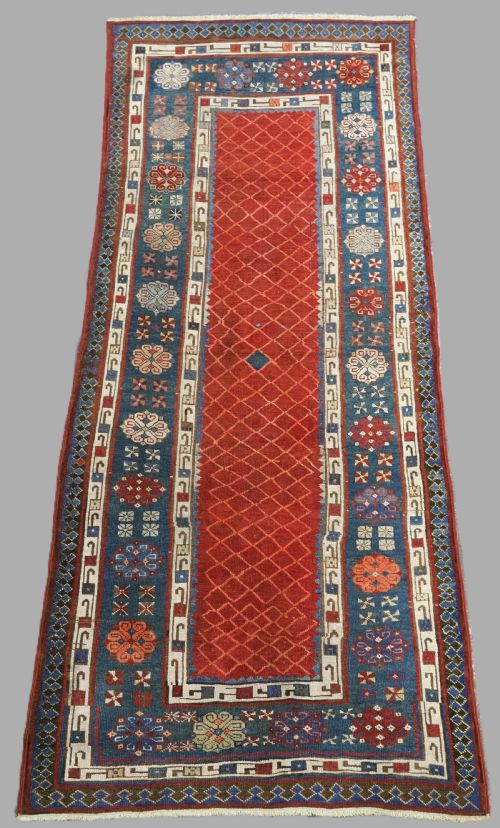
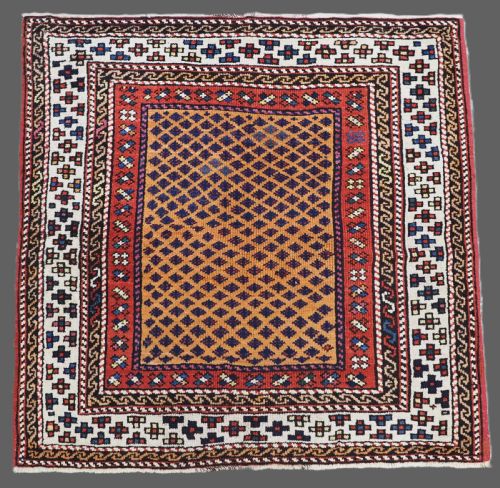
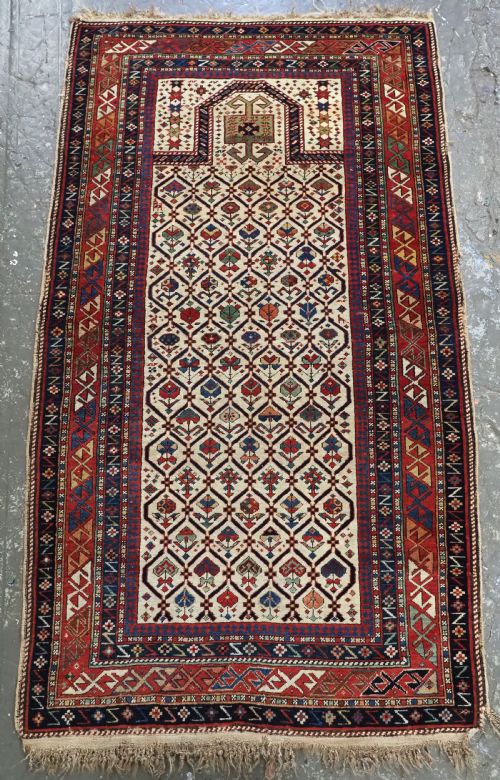
A lattice design rug presents an organised network of intersecting lines that form diamonds, squares or floral compartments across the field. Buyers searching this phrase encounter regional tribal weaving traditions from the Caucasus, Persia, Anatolia and Central Asia, spanning the late nineteenth and early twentieth centuries.
The format ranges from small square scatter rugs and prayer rugs to elongated hallway runners and village carpets. Most examples display a repeat geometric or floral lattice pattern executed by nomadic or village weavers working within established ethnic traditions.
How They Were Made
Weavers constructed these pieces using hand-spun wool and cotton foundations, tying dense knots to build durable floor coverings. Flatweave techniques also appear in kilims and soumak structures, creating textured surfaces without a traditional pile.
Natural dye materials provided the rich colour palettes seen in the wool, yielding deep tones that soften gracefully over decades of use. The interaction of wool quality and dye saturation gives each woven grid its distinct optical depth.
Lattice Design Rug Retail Price Guide 2026
Typical asking prices for lattice design rug among the pieces listed under this phrase on Sellingantiques today, from the lower quarter to the upper quarter. They describe what is for sale here now, not the wider market.
Some weavers quietly hid tiny asymmetry mistakes in their grids, believing perfection belonged solely to the divine.
What Varies in Quality
The precision of the grid geometry and the crispness of the intersecting lines distinguish finer pieces from simpler village work. Master weavers maintained consistent knot density and symmetry across the entire lattice field, ensuring the geometric pattern remained balanced from edge to edge.
The choice of wool and the depth of the dye saturation contribute significantly to the visual character of the surface. Softer, more lustrous wool retains rich colour variation and patinates with greater complexity over time.
The Lattice Design Rug Glossary
- Lattice
- A repeating geometric network of criss-crossing lines forming diamond or compartment shapes across the field of the rug.
- Kilim
- A flatwoven carpet or rug produced without a pile, often utilising slit-weave techniques to create sharp geometric patterns.
- Soumak
- A traditional brocade-weaving technique that wraps supplementary weft threads over the warp to produce a textured, durable surface.
- Prayer rug
- A small format rug featuring a mihrab or niche design used historically for daily ritual prostration.
- Runner
- An elongated narrow carpet format designed specifically for hallways, corridors or narrow passages.
Lattice Design Rug: Frequently Asked Questions
What is a lattice design rug?
A lattice design rug is a traditional woven textile featuring an intersecting grid pattern across the central field. These patterns range from simple diamond shapes to elaborate floral compartments.
Most examples originate from tribal and village weaving traditions in the Caucasus, Persia and Central Asia. They combine practical durability with structured geometric artistry.
How do I style a runner rug?
Runner rugs suit narrow spaces such as hallways, corridors, entryways and kitchen galleries. Their elongated format introduces colour and texture to otherwise plain transitional areas.
Placing a traditional runner over a secure underlay protects the wool foundation from excessive wear on hard floors. Ensure the dimensions allow doors to swing freely over the pile thickness.
How are tribal rugs dated?
Dating traditional tribal rugs relies on assessing wool characteristics, dye materials, structural tightness and regional design conventions. Natural colour variations and structural wear patterns indicate the age of the piece.
Most antique examples date from the late nineteenth century through the early decades of the twentieth century. Comparison with established regional types helps narrow the likely period of manufacture.
Are flatweave rugs durable?
Flatweave rugs lack a pile, making them lightweight and versatile for various living spaces. Their dense weave structure withstands regular foot traffic when paired with a quality rug pad.
They function well under furniture and in high-traffic areas because their flat surface resists crushing. Maintenance involves regular gentle vacuuming without a rotating brush roll.