


Late Victorian Wool Rug
A late victorian wool rug brings dense natural pile and centuries of regional patterning directly to your floor.
Late Victorian Wool Rug
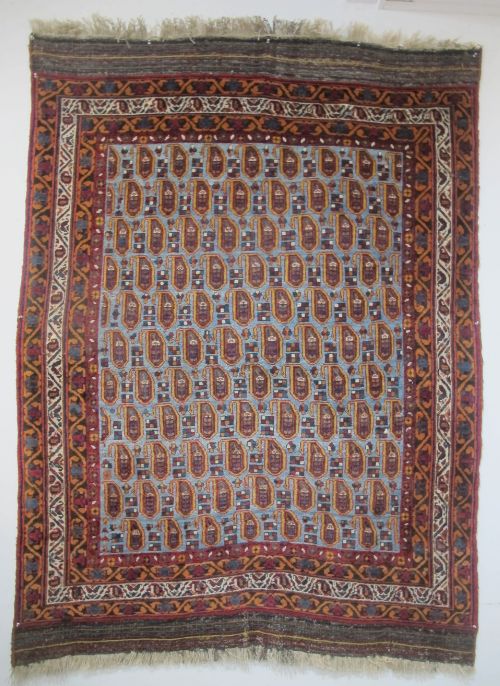
A late victorian wool rug encompasses hand-knotted floor coverings produced across Persia, the Caucasus, Anatolia, Turkmenistan, and India during the final decades of the nineteenth century. These textiles served both nomadic and sedentary households as functional ground cover, prayer mats, and primary room carpets.
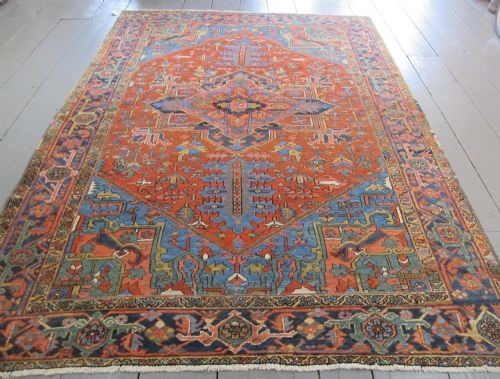
On this page, a buyer will most frequently meet Persian city and village formats such as Heriz, Sultanabad, and Fereghan carpets, alongside Caucasian prayer rugs and tribal Baluch or Timuri weaves. They arrive from distinct regional weaving centres that employed traditional local motifs rather than generic factory designs.
The aesthetic bridges utilitarian domestic flooring and collectible textile art through enduring geometric structures, medallion layouts, and intricate botanical fills. Each piece reflects the specific cultural heritage and weaving grammar of the district where the loom was set up.
Materials and construction
The primary material underpinning these textiles is hand-spun wool, often combined with cotton foundations for warp and weft threads to maintain structural stability. Artisans utilised natural dyes derived from plants and minerals, yielding deep palettes that mellow gradually over decades of exposure to light and air.
Weavers tied dense piles by hand onto upright looms using symmetrical or asymmetrical knots, depending on regional custom. The resulting fabric combines resilience with flexibility, allowing large carpets and smaller prayer rugs to endure heavy foot traffic while retaining soft handle.
Late Victorian Wool Rug Retail Price Guide 2026
Typical asking prices for late victorian wool rug among the pieces listed under this phrase on Sellingantiques today, from the lower quarter to the upper quarter. They describe what is for sale here now, not the wider market.
Materials documented across the page include wool, cotton, natural dyes, and hand-spun wool.
Assessing quality and execution
Quality in these textiles rests upon the integrity of the materials, the precision of the knotting, and the depth of the dye palette. Finer examples display high knot counts per square inch that render intricate curves and sharp geometric boundaries with distinct clarity.
The distinction between standard village production and top-tier workshop output lies in the saturation and harmony of the natural colours, alongside the balance of the overall composition. Master weavers achieved superior visual rhythm through careful proportioning of borders, fields, and central medallions.
The Late Victorian Wool Rug Glossary
- Warp
- The stationary vertical threads stretched onto a loom that form the structural foundation of the rug. Fringe ends typically consist of exposed warp threads.
- Weft
- The horizontal threads passed back and forth over and under the warp threads to bind the knots in place. Together with the warp, they create the sturdy grid of the rug.
- Natural Dyes
- Colourants extracted from biological sources such as madder root, indigo, and walnut husks. They create complex, nuanced tones that chemical dyes cannot replicate.
- Prayer Rug
- A small format textile featuring a distinct arched niche or mihrab design at one end. Historically, worshippers placed this niche toward Mecca during daily prayers.
- Medallion
- A large central ornamental design motif placed in the middle of the carpet field. Weavers built surrounding borders and field patterns to echo or contrast with this focal point.
Late Victorian Wool Rug: Frequently Asked Questions
How do I clean a wool rug?
Regular gentle vacuuming without a beater bar removes loose grit before it settles into the wool pile. Professional specialist cleaning remains essential every few years to protect natural dye integrity.
Harsh chemical detergents and excessive water saturation damage the natural lanolin within the wool fibres. Prompt blotting with clean water manages accidental spills without rubbing the pile.
Can I place these rugs in high traffic areas?
Dense hand-spun wool pile naturally resists daily wear and foot traffic in hallways and living spaces. Placing a quality underlay beneath the textile prevents slipping and cushions the foundation threads.
Rotating the rug periodically ensures even exposure to sunlight and distributes foot wear across the entire surface. Regular maintenance allows these historical floor coverings to serve modern domestic life effectively.
How do I identify regional rug styles?
Examining the border structures, palette choices, and geometric motifs reveals the specific weaving origin. Persian Heriz carpets often display bold geometric medallions, while Caucasian pieces lean into sharp, angular star and lattice patterns.
Knot types and foundation materials also point toward particular workshops or nomadic confederations. Comparing edge finishes and secondary colours helps separate Anatolian village work from Turkmen tribal weaving.