

Late Victorian Wooden Chairs
Late victorian wooden chairs offer robust construction and distinct stylistic variety, making them practical seating choices for period interiors.
Late Victorian Wooden Chairs
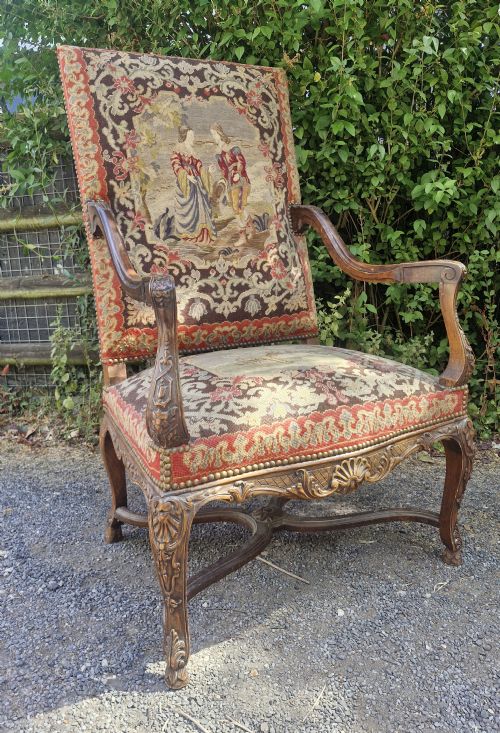
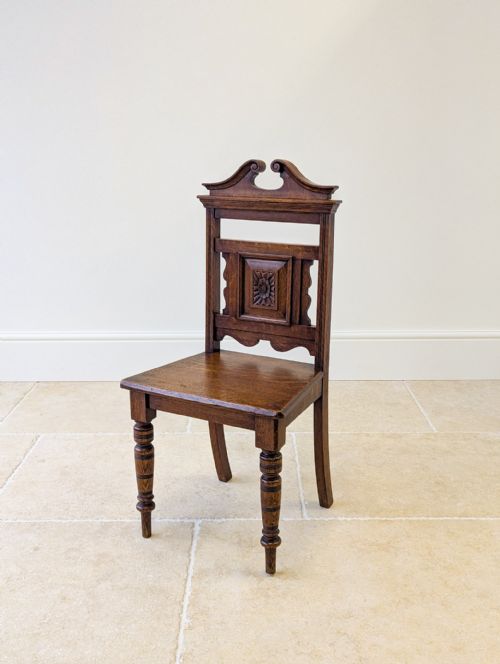
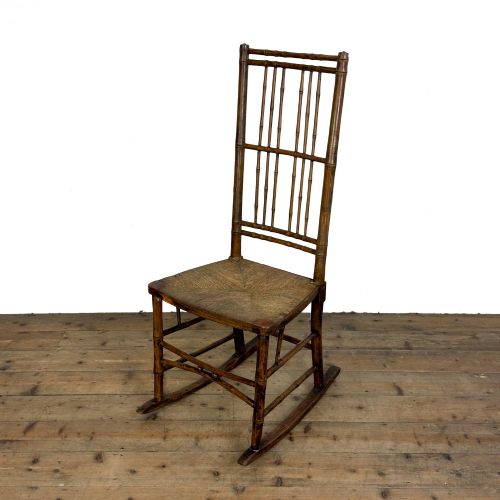
When searching for late victorian wooden chairs, buyers encounter a diverse selection spanning formal parlour seating to sturdy farmhouse designs. The listings comprise various forms including armchairs, desk chairs, dining chairs, rocking chairs, hall chairs, side chairs, salon chairs, and metamorphic library chairs.
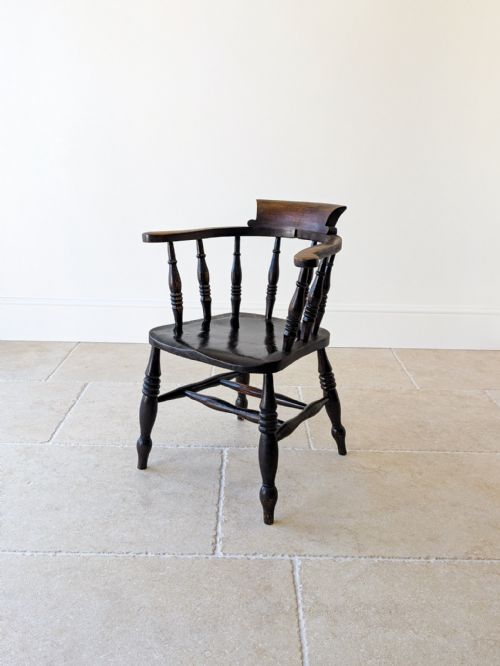
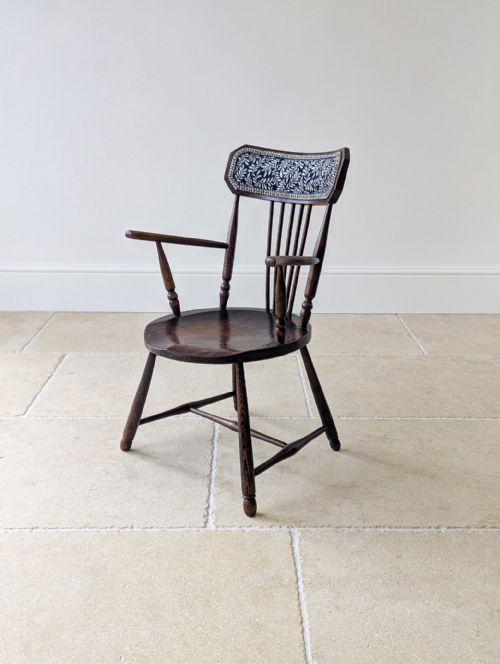
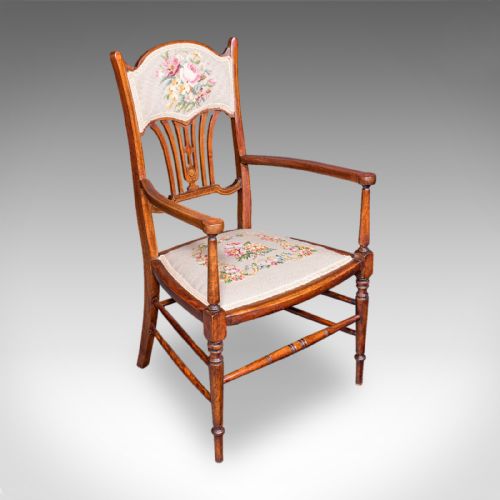
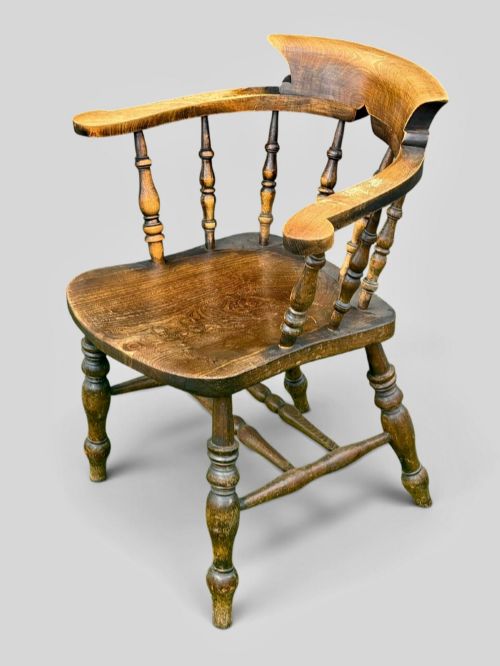
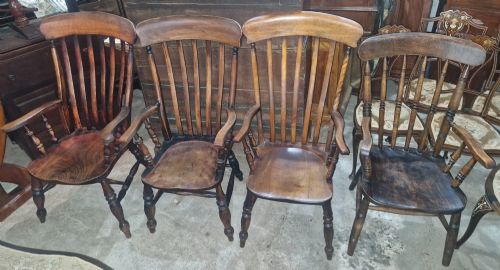
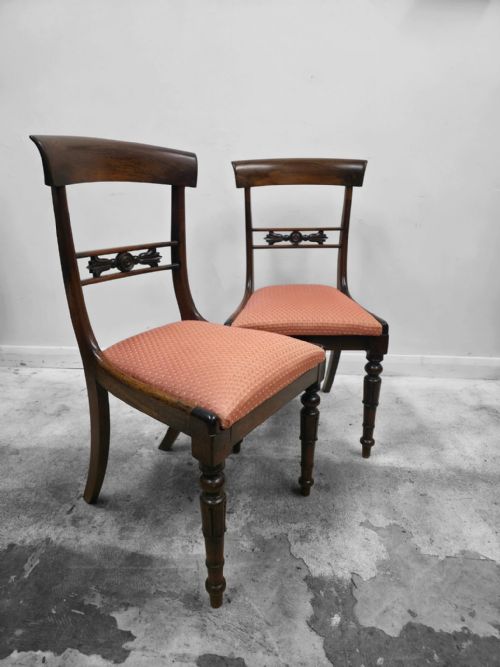
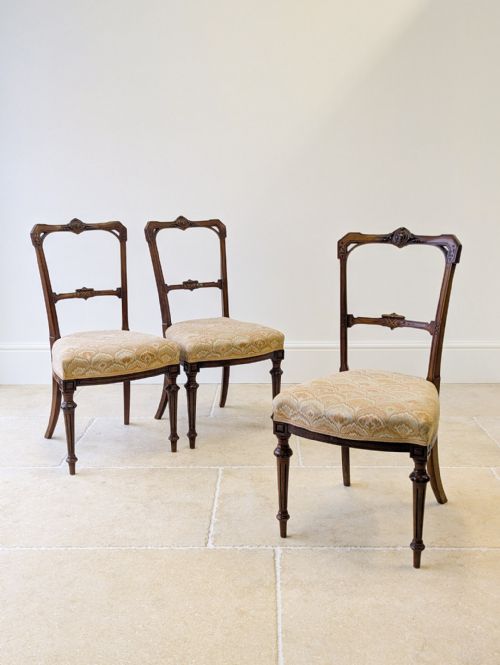
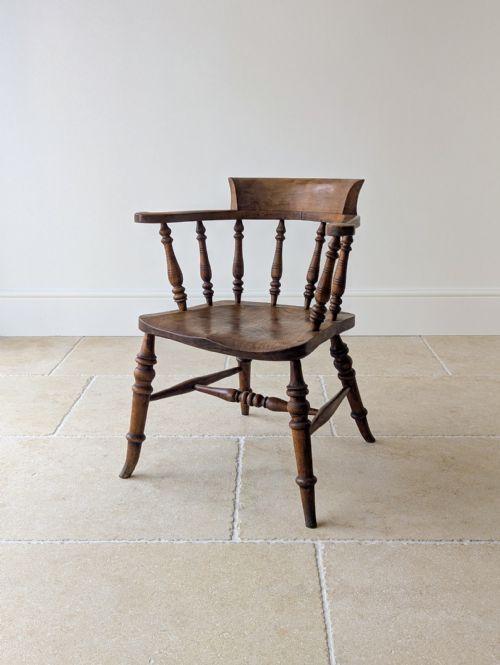
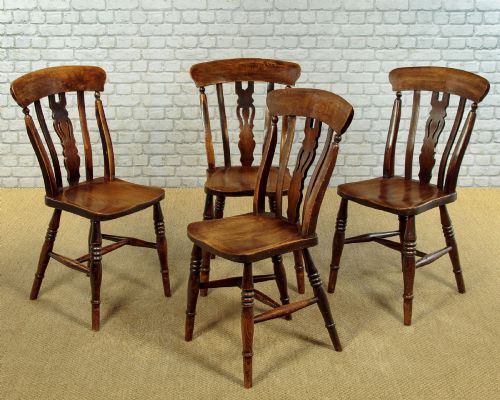
The most common examples on this page are country Windsor and captain's chairs made from mixed timbers, alongside formal walnut and mahogany dining or salon seats. Stylistic influences range from the Aesthetic Movement and Arts and Crafts to Victorian Neoclassical and Art Nouveau.
These items originate primarily from the late nineteenth century, reflecting the domestic and commercial seating needs of the period. Buyers choose them to integrate functional antique woodwork into contemporary rooms.
What varies in quality
Quality in late victorian wooden chairs rests upon the selection of timber and the precision of the joinery rather than mere decoration. Superior pieces display dense, well-figured grain in woods like burr elm or satinwood, with tight, uncompromised joints that remain stable over time.
The sophistication of the design dictates value, distinguishing between standard mass-produced kitchen seating and architect-designed pieces associated with the Aesthetic Movement. Carved details, inlay work, and original surface patination elevate the standing of individual items.
The listings on this page span the Victorian era, specifically concentrating on the decades between 1860 and 1900.
Edward William Godwin·Collier and Plucknett·Lamb of Manchester
The Late Victorian Wooden Chairs Glossary
- Windsor chair
- A wooden seating form characterised by a solid shaped seat into which the legs and back spindles are joined directly. They frequently incorporate a bow-shaped backrest and arm assembly.
- Captain's chair
- A low-backed wooden armchair designed for desk use, featuring a rounded top rail supported by vertical spindles above the seat. They are commonly constructed from elm and beech.
- Aesthetic Movement
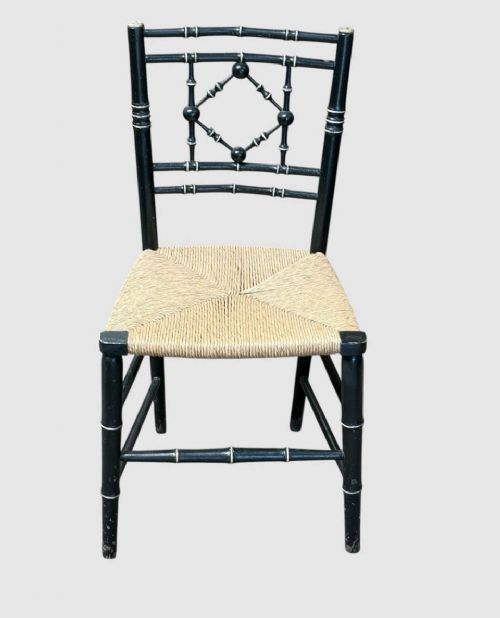
- A late nineteenth-century design style focusing on visual beauty rather than narrative meaning, often displaying ebonised finishes and simple, geometric lines. It drew inspiration from Japanese art.
- Metamorphic chair
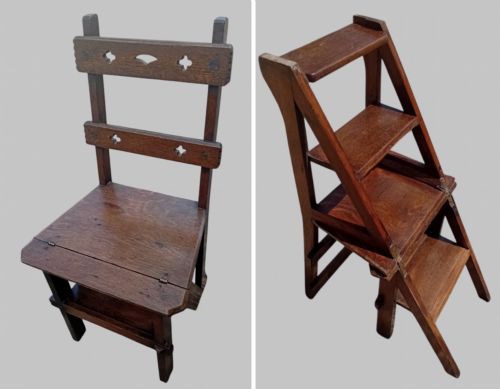
- A multifunctional piece of furniture engineered to transform into alternative forms, such as library steps. These items demonstrate clever Victorian mechanical ingenuity.
- Splat back
- A chair featuring a central vertical strip of wood down the middle of the backrest, often shaped, pierced, or carved. This element provides lumbar support and decorative detail.
Late Victorian Wooden Chairs: Frequently Asked Questions
What woods were used for late victorian wooden chairs?
Makers utilised a wide range of native and imported timbers depending on the chair's intended function. Common woods include elm, beech, oak, mahogany, walnut, alder, fruitwood, and satinwood.
Softer or more pliable woods like elm were selected for solid seats, while harder timbers such as beech provided strength for turned legs and spindles.
How do I identify an aesthetic movement chair?
Aesthetic movement examples often feature ebonised wood surfaces, linear frameworks, and sometimes stylistic motifs influenced by Japanese design. They prioritise clean geometry over heavy ornamentation.
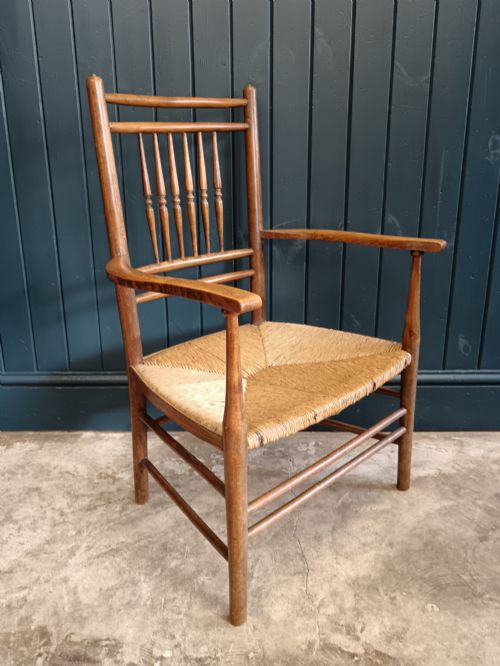
Look for spindle backs, rush seats, or bamboo-turned frames that reflect the artistic reform movements of the late nineteenth century.
Were these chairs used at desks or dining tables?
Late nineteenth-century production served both domestic and commercial environments, resulting in specialised seating for diverse rooms. Specific forms include desk chairs, salon chairs, dining sets, and bedroom chairs.
Captain's chairs and swivel variants suited study spaces, whereas side chairs and upholstered armchairs furnished parlours and dining spaces.
What is a metamorphic library chair?
A metamorphic library chair is a piece of furniture designed to convert from a seating option into a set of steps. This dual purpose suited Victorian domestic libraries.
Mechanisms allowed the backrest or seat sections to pivot or fold securely into a stable staircase configuration for reaching high bookshelves.