



Late Victorian Silver Box
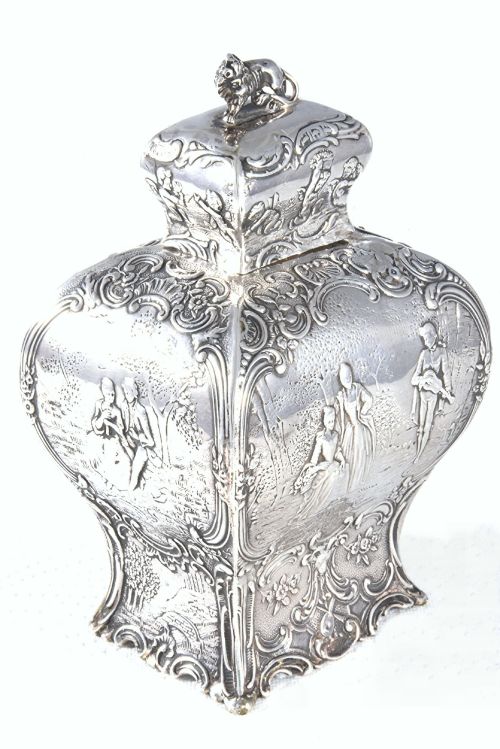
When you search for a late victorian silver box, you enter a world of trinket caskets, tea caddies and pocket pill containers crafted between 1880 and 1900.
Late Victorian Silver Box
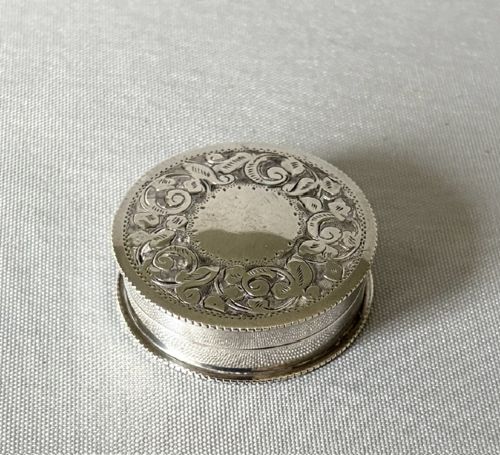
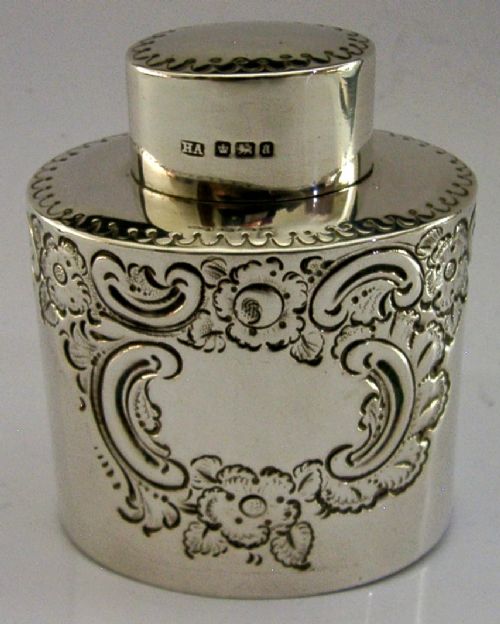
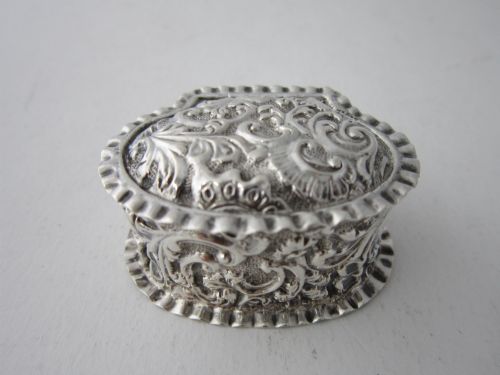
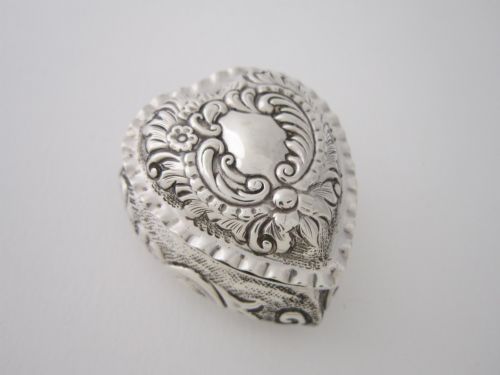
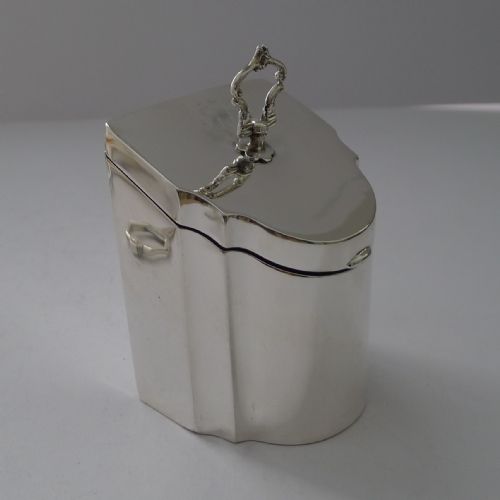
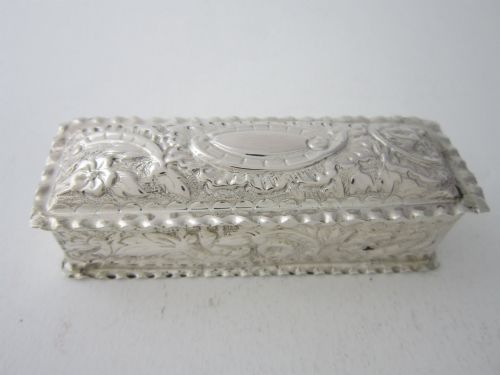
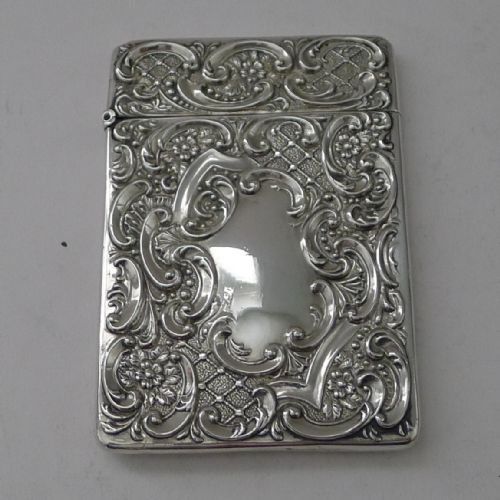
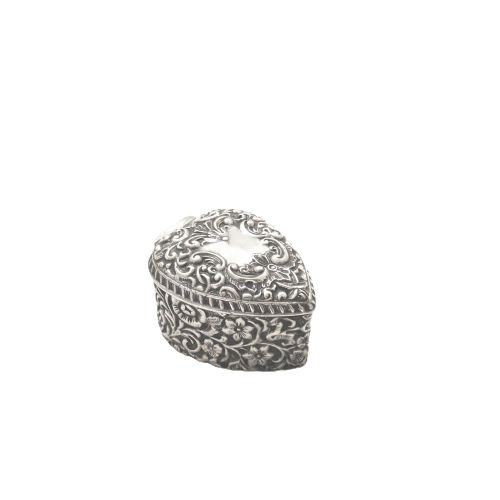
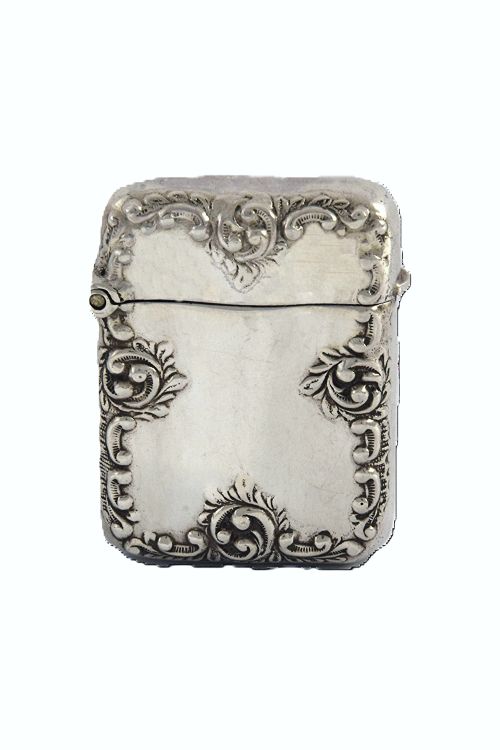
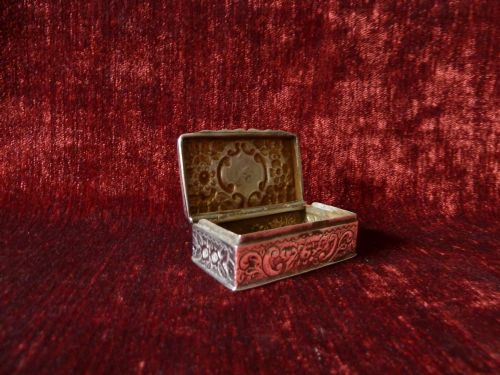
A late victorian silver box encompasses a diverse range of small domestic containers designed for vanity, dining and personal use during the final decades of the nineteenth century. The selection spans sterling silver and silver plate, taking the form of heart-shaped pill boxes, bombe tea caddies, desk caskets, and novelty pieces shaped like crocodile skin trunks or animals.
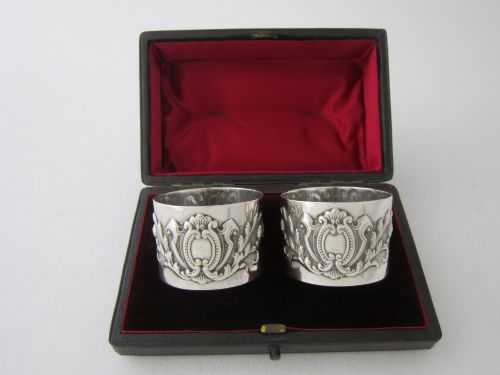
Makers and silversmiths of the period embraced historic revivalism and early modern movements, producing items decorated with Victorian Rococo Revival scrolls, French Third Republic motifs, and flowing Art Nouveau lines. Interiors lined with velvet, silk, or leather frequently accompany these pieces, which served as functional storage for keepsakes, tea, tobacco, and stamps.
How they were made
Silversmiths utilised sterling silver and silver plate over structural foundations of wood, glass, leather, and brass, shaping bodies through hammering, casting, and electroforming techniques. Hinged lids, complex locking mechanisms, and cast decorative handles required precise metalworking skills from workshops in Birmingham, Sheffield, and London.
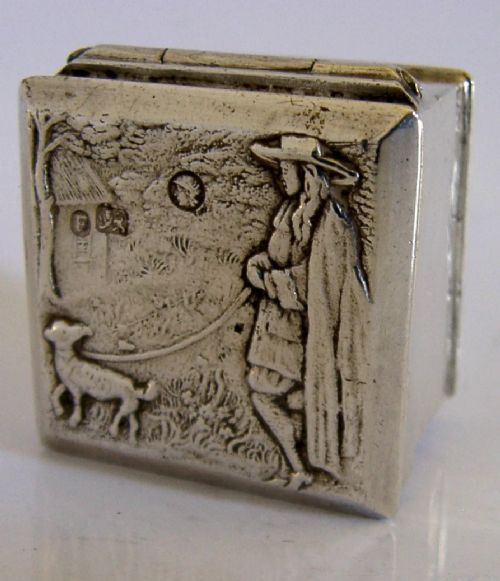
Surface ornamentation relied heavily on embossing, chasing, and engraving to render intricate floral patterns, scrollwork, and naturalistic textures such as thatched roofs or reptile skin. Glass bodies were heavily cut and mounted with sterling rims, while interiors often incorporated fitted velvet or silk pads to protect delicate contents.
Late Victorian Silver Box Retail Price Guide 2026
Typical asking prices for late victorian silver box among the pieces listed under this phrase on Sellingantiques today, from the lower quarter to the upper quarter. They describe what is for sale here now, not the wider market.
Listings feature sterling silver and silver plate alongside organic materials including glass, wood, velvet, leather, and mother-of-pearl.
What varies in quality
The distinction between standard commercial output and superior craftsmanship rests on the crispness of the chased decoration, the weight of the metal, and the precision of the mechanical joints. Heavy gauge sterling silver displays deep, sharp relief without distortion, whereas lower grades rely on thin pressed metal that yields under pressure.
Superior examples feature fully articulated hinges, tight lid alignment, and intact original interior linings of silk or velvet rather than modern replacements. Maker marks from prominent workshops and clear hallmarks indicating specific assay offices like London, Birmingham, or Chester elevate the standing of any piece.
William Hutton·Hukin & Heath·William Comyns & Sons·Sampson Mordan·Lee & Wigfull·Fenton Bros·Deykin & Sons·John Grinsell & Son
The Late Victorian Silver Box Glossary
- Sterling silver
- A silver alloy containing 92.5 percent pure silver by mass and 7.5 percent other metals, usually copper. This standard composition provides the durability required for intricate boxes and caskets.
- Hallmark
- An official stamp applied by an assay office to indicate the purity of the metal, the maker, and the year of production. British pieces typically show a leopard head, anchor, or crown alongside the date letter.
- Vesta case
- A small pocket box fitted with a rough striking surface on the base, designed to hold and ignite matches safely. These frequently mirror the decorative motifs of larger domestic silver boxes.
- Bombe
- A furniture and silver shape characterised by outward-curving, convex sides that swell towards the base. This French-influenced contour adds visual weight and sculptural presence to tea caddies and caskets.
Late Victorian Silver Box: Frequently Asked Questions
What did they store inside them?
Late nineteenth-century boxes held dry tea leaves, loose sugar, personal stamps, calling cards, or medicinal pills. Smaller heart-shaped containers functioned primarily as dressing table trinket repositories for rings and brooches.
Larger variations accommodated tobacco, cigars, or writing instruments. Interiors lined with velvet or silk protected fragile personal effects from abrasive metal surfaces.
How do I identify the date?
Hallmarks stamped directly onto the silver surface provide the most reliable guide to age. Assay office marks combined with specific date letters pinpoint the exact year of manufacture in British pieces.
Stylistic cues also help narrow down the decade, shifting from heavy Victorian Rococo Revival scrolls in the eighteen-eighties towards flowing Art Nouveau lines by nineteen hundred.
Were they made from solid silver?
Makers produced these containers in both solid sterling silver and silver plate over base metals like copper or white metal. Many larger biscuit barrels and tea caskets relied on electroplating to achieve a bright finish at a lower cost.
Heavier items intended for daily desk use often incorporated wooden or glass bodies encased in silver mounts. Hallmarks generally distinguish solid sterling pieces from plated wares.
How should I clean them?
Gentle dusting with a soft, dry cloth preserves the aged patina on chased and embossed surfaces. Standard liquid silver polishes should be used sparingly to avoid wearing away thin plate or removing dark definition from recessed details.
Original velvet and silk linings require absolute protection from moisture and cleaning agents. Storing boxes away from direct sunlight prevents fading in the interior fabrics.