

Late Victorian Ring
A late victorian ring brings the rich symbolism and fine gemstone settings of the closing nineteenth century straight to the hand.
Late Victorian Ring
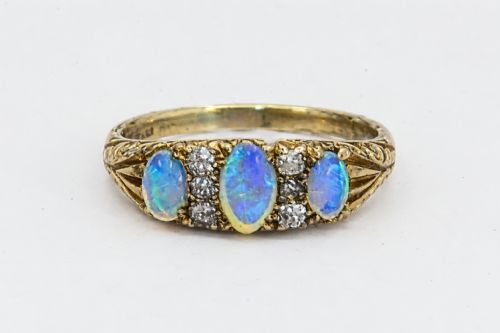
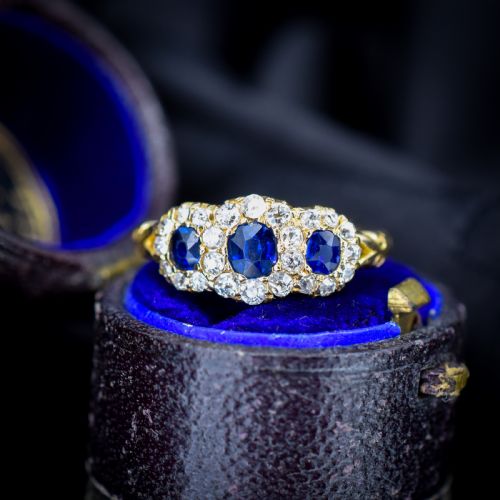
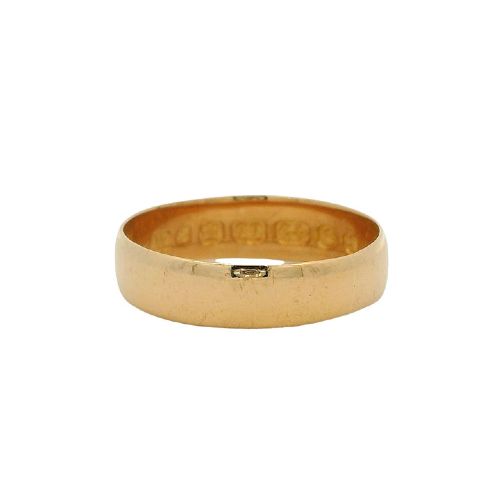
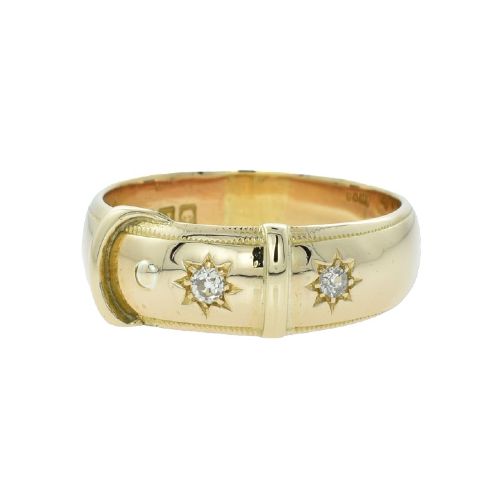
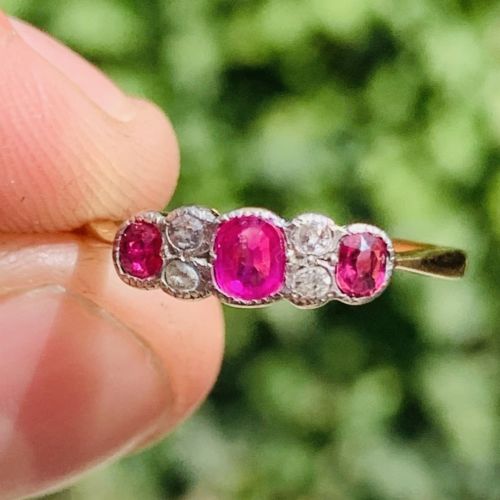
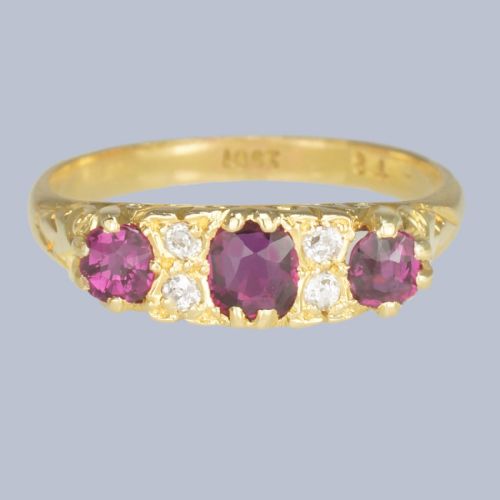
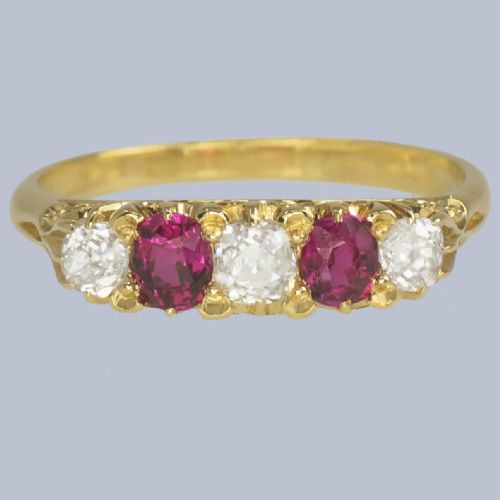
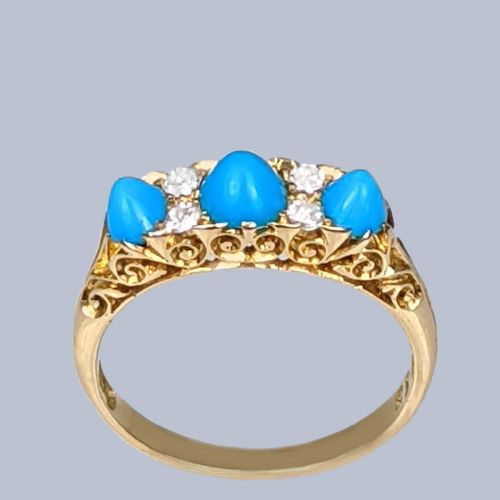
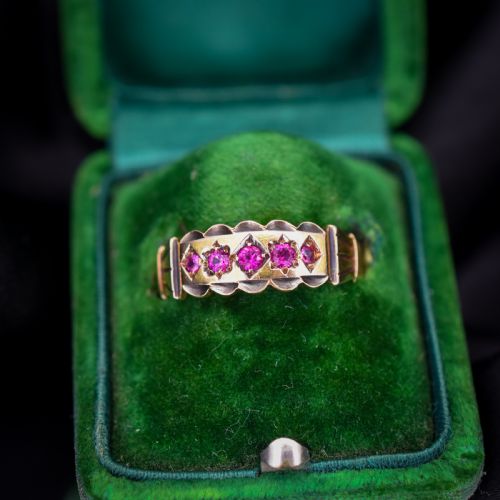
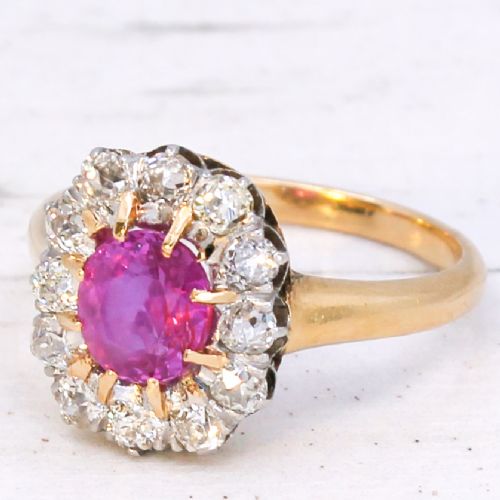
A late victorian ring spans pieces made around the final decade of the nineteenth century, typically bearing hallmarks from the eighteen-nineties up to nineteen hundred. These pieces range from diamond buckle designs and ruby clusters to simple bands, reflecting the varied tastes of the period.
Materials and construction
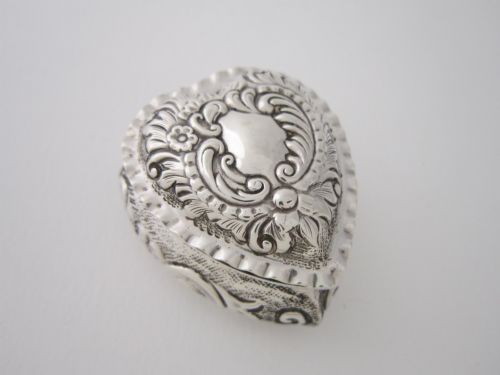
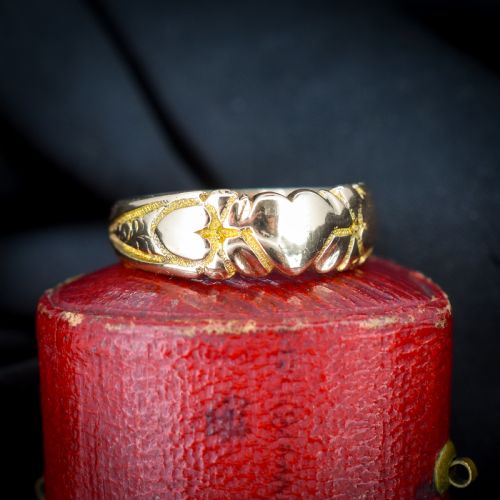
Jewellers of this era utilised nine-carat and eighteen-carat golds, alongside platinum and silver, to shape sturdy mounts for precious and semi-precious stones. Metal was cast, drawn into wire, and hand-chased to create detailed motifs such as buckles, hearts, and floral clusters.
Gemstones including diamonds, rubies, sapphires, turquoises, pearls, and amethysts were secured using claw, bezel, or flush settings. Old cut diamonds with their distinctive broad facets were standard, reflecting the hand-cutting techniques prevalent before modern brilliant cutting took over.
Late Victorian Ring Retail Price Guide 2026
Typical asking prices for late victorian ring among the pieces listed under this phrase on Sellingantiques today, from the lower quarter to the upper quarter. They describe what is for sale here now, not the wider market.
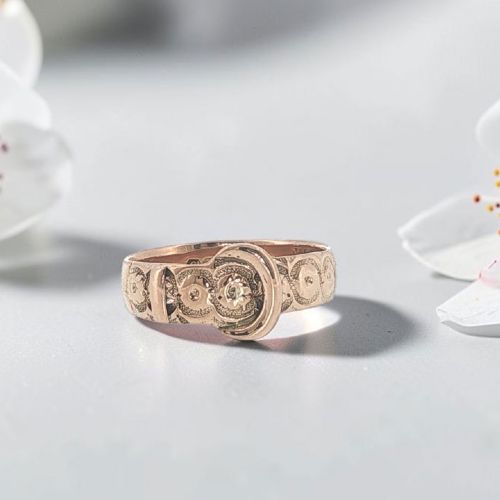
Victorian sentimentality ran high, turning everyday fasteners like belt buckles into permanent symbols of loyalty wrapped around the finger.
Quality differences
The distinction between standard commercial pieces and finer workshops lies in the crispness of the hand-engraving and the structural integrity of the metalwork. Superior examples retain sharp chasing on motifs like belts and hearts without thinning of the shank from decades of wear.
Stone selection and matching dictate the upper tier of these rings, where well-matched natural rubies or clean old cut diamonds display lively light return. Lower quality tiers often feature mismatched stones, replacement shanks, or worn prongs that require immediate attention.
Nathan and Hayes·Carrington and Co·Waring and Gillows·Errington Watch Company·Dring and Fage
The Late Victorian Ring Glossary
- Old cut diamond
- A diamond cut in the late nineteenth century featuring a smaller table, higher crown, and larger culet, designed to catch candlelight.
- Trilogy ring
- A ring featuring three main stones set in a row, traditionally symbolising the past, present, and future.
- Hallmark
- An official stamp applied to precious metals indicating the standard of purity, the assay office, and often the year of manufacture.
- Buckle ring
- A ring fashioned in the shape of a belt and buckle, carrying sentimental meanings of loyalty and binding affection in Victorian design.
- Cluster ring
- A ring design featuring a central gemstone surrounded by a border of smaller accent stones, resembling a flower.
Late Victorian Ring: Frequently Asked Questions
How can I date a late victorian ring?
Dating relies primarily on official hallmarks stamped inside the shank, which indicate the assay office and specific year letter.
Stylistic elements like old cut diamonds and specific gold purities also support the dating when stamps are rubbed.
Were these rings worn daily?
Many of these pieces were created for everyday wear as engagement tokens, wedding bands, or sentimental gifts.
Their robust construction in eighteen-carat gold allowed them to withstand decades of regular use.
What metals were commonly used?
Golds in nine-carat and eighteen-carat varieties dominate the surviving pieces, appearing in yellow, rose, and occasionally white tones.
Platinum also makes an appearance in the later years of the period for securing gemstone settings.
How do I care for antique gemstone rings?
Gentle cleaning with warm soapy water and a soft brush helps maintain the metal and stones without causing damage.
Avoid harsh chemical dips, particularly if the ring contains softer organic materials like pearls or porous stones like turquoise.