



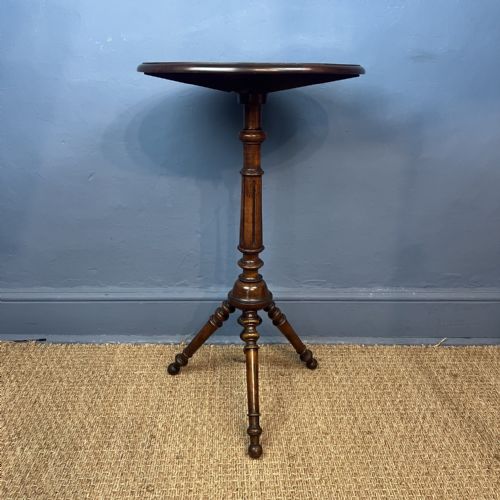
Late Victorian Plant Stand
These late victorian plant stand pieces combine practical display surfaces with the eclectic decorative arts of the late nineteenth century.
Late Victorian Plant Stand
A late victorian plant stand encompasses diverse raised surfaces designed to elevate flora, sculpture, or ornaments within domestic interiors. These objects frequently cross boundaries with occasional tables, torchieres, and pedestals, originating across British, continental, and colonial workshops during the late nineteenth century.
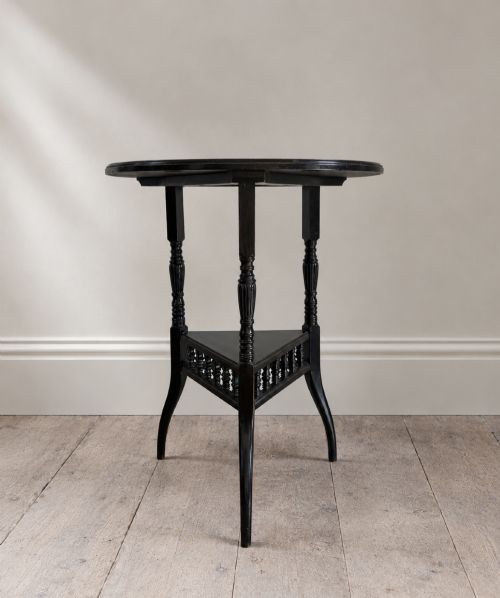
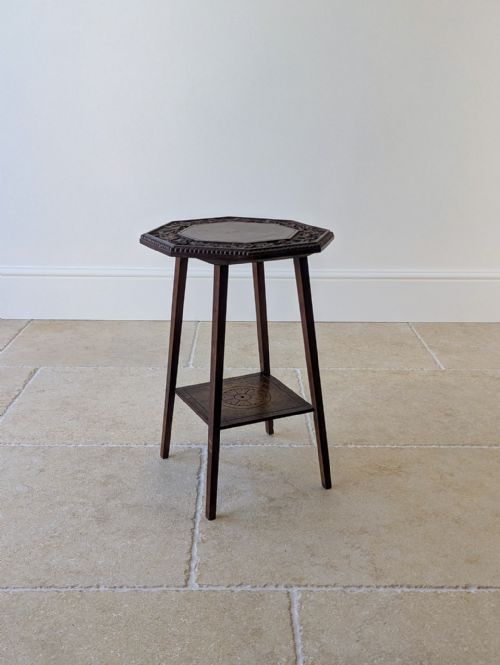
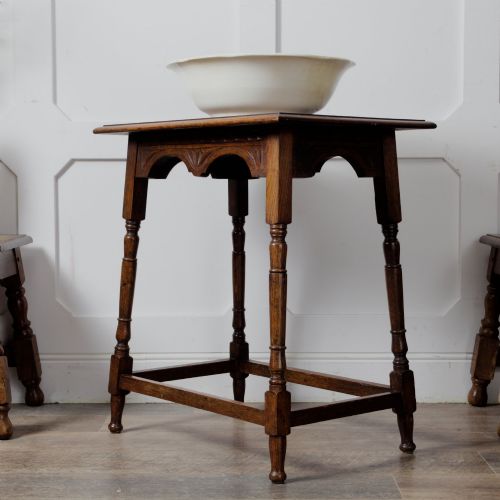
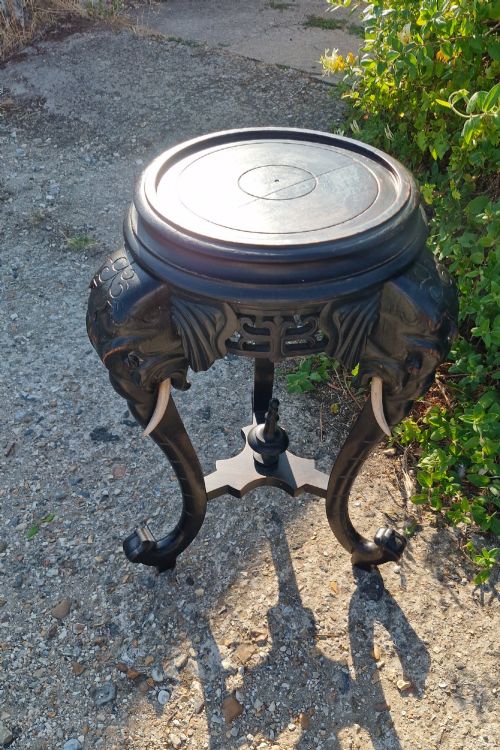
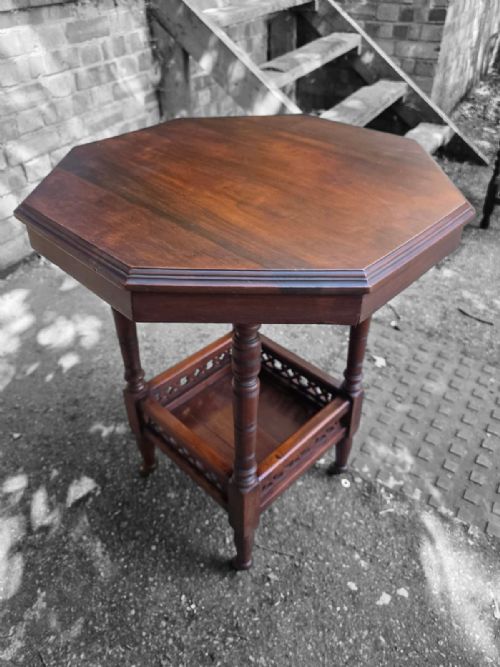
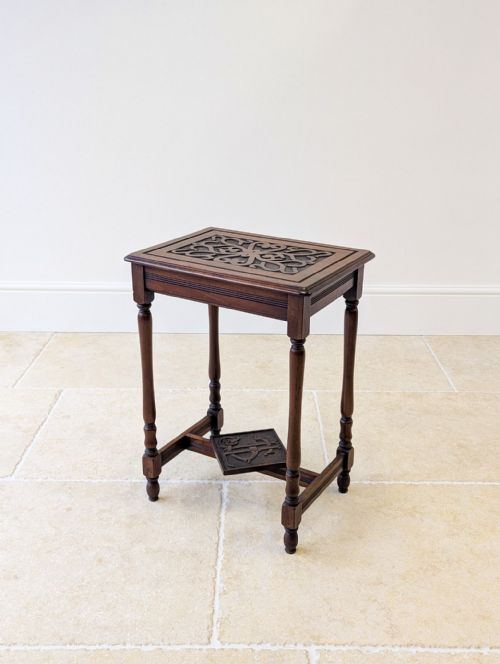
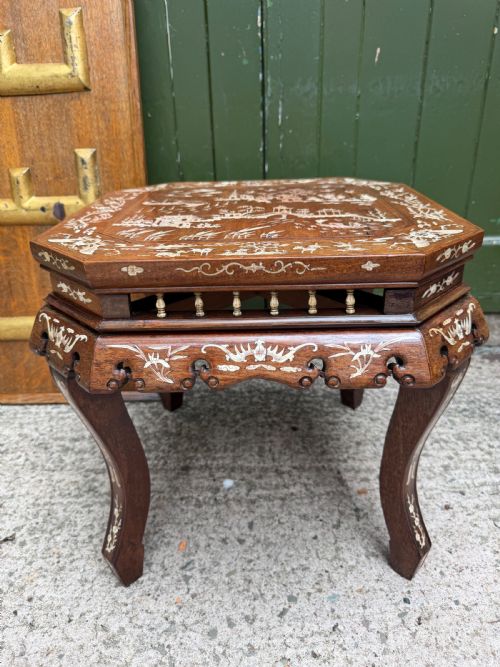
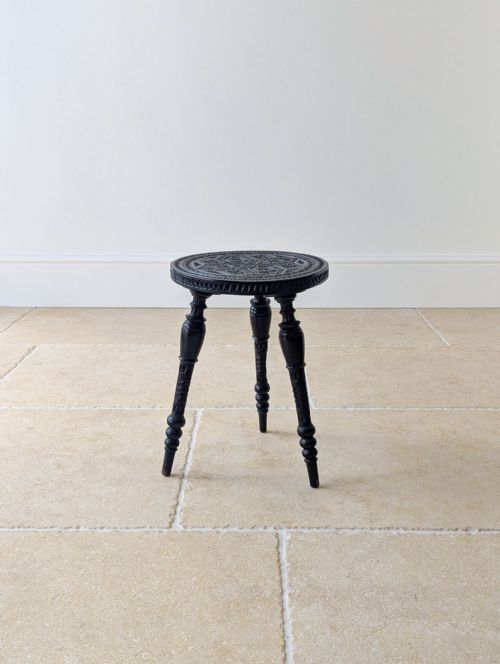
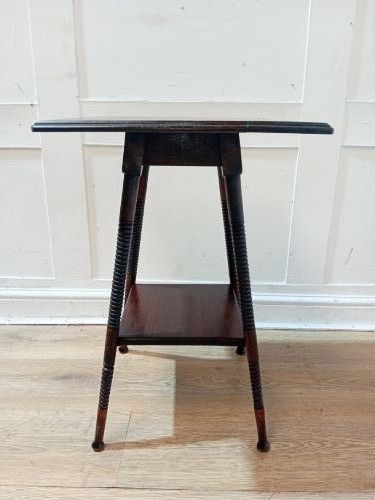
The version most commonly encountered on this page is the compact wooden occasional table or carved pedestal dating from around 1890. Such pieces emerge in varied woods and ferrous metals, reflecting both British Arts and Crafts ideals and wider international influences.
Materials and Techniques
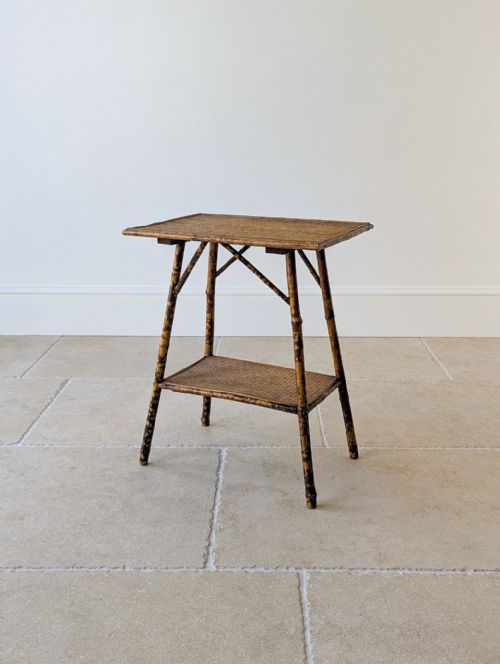
Cabinetmakers utilised hardwoods such as walnut, mahogany, oak, and teak, often employing turning, chip-carving, and ebonising techniques to achieve the dark, dramatic surfaces favoured by the Aesthetic Movement. Bamboo and exotic Asian hardwoods also appear, constructed with specialised joinery suited to imported cane and timber.
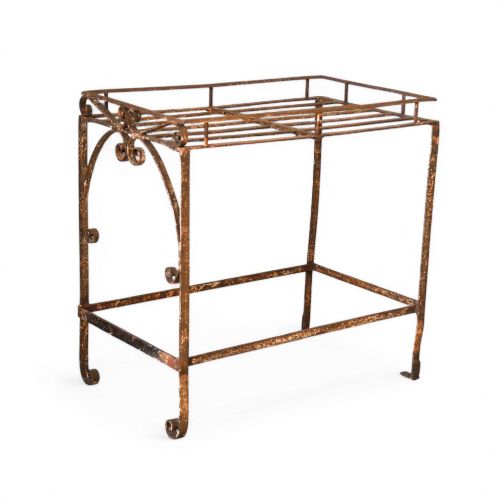
Metalworking techniques produced structural wrought iron, cast iron garden planters, and pressed brass plant holders designed to support heavy earthenware or ceramic jardinieres. Stoneware and pottery elements, including lustre glazes and art tiles, were integrated directly into pedestals and stands.
Current listings demonstrate a material palette spanning walnut, mahogany, oak, teak, bamboo, marble, and wrought iron.
Evaluating Craftsmanship
The standard of a late victorian plant stand rests upon the crispness of its carved ornamentation and the integrity of its structural joints. Pieces exhibiting hand-carved botanical motifs or precise chip-carving display a higher degree of artisan involvement than mass-produced factory alternatives.
Material selection and surface finish dictate distinction within the range, from simple stained pine to finely crossbanded mahogany, rosewood, or figured walnut. The inclusion of specialised elements like hand-painted wooden tusks, inset tiles, or integrated ceramic jardinieres elevates a piece beyond standard utility.
Liberty of London·William Birch·Shoolbred·Gillows·Gabriel Viardot·Clement Massier·Burmantofts Art Pottery·E W Godwin
The Late Victorian Plant Stand Glossary
- Aesthetic Movement
- A late nineteenth-century design style emphasising decorative art for its own sake, often featuring ebonised wood and Japanese-inspired motifs.
- Torchiere
- A tall stand or pedestal originally designed to carry a torch or candle, later adapted for electric lamps and decorative plants.
- Jardinier
- A large ornamental container, typically made of ceramic or metal, intended to hold a growing plant.
- Ebonised
- Wood treated with a dark stain or finish to imitate the appearance of expensive ebony.
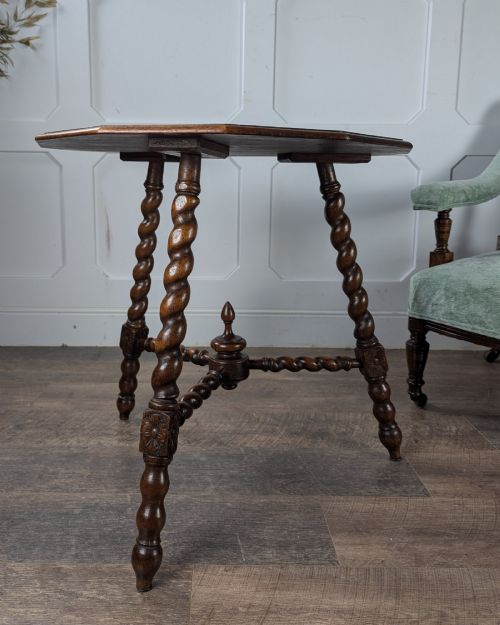
- Barley twist
- A type of turning shaped like a helix, commonly found on furniture legs and upright supports from the period.
Late Victorian Plant Stand: Frequently Asked Questions
What is a plant stand?
A plant stand is a raised piece of furniture built to display potted plants, jardinieres, or sculptural objects above floor level. These structures allow interior greenery to catch more light and serve as decorative focal points.
Designs range from simple tripod tables and bamboo frames to heavy ceramic pedestals and iron garden racks. They reflect the Victorian passion for indoor horticulture and domestic display.
Where were these placed?
These stands were typically positioned in drawing rooms, parlours, or conservatories to showcase ferns, palms, and flowering plants. Their compact footprints allowed them to fill empty corners or sit beside windows.
In larger homes, they also functioned as display surfaces for art pottery, lamps, and ornamental collectables rather than living greenery.
How do I style one?
A plant stand works best when paired with a trailing plant or a contrasting ceramic pot that complements the timber or metal of the base. Placing them in corners or flanking doorways creates vertical interest in a room.
They also function effectively as lamp tables or independent display plinths for sculptures without needing plants at all.
How do I date a stand?
Dating relies on identifying characteristic construction methods, material choices, and stylistic movements such as the Arts and Crafts style or Aesthetic Movement. Pieces from around 1890 often combine traditional British joinery with imported materials like bamboo or teak.
Maker marks, registration numbers, and distinctive turning styles provide further clues to narrow down the decade of manufacture.