



Late Victorian Oak Box
A late victorian oak box brings solid construction and rich grain to any room, offering a sturdy home for desk accessories, bottles, or small treasures.
Late Victorian Oak Box
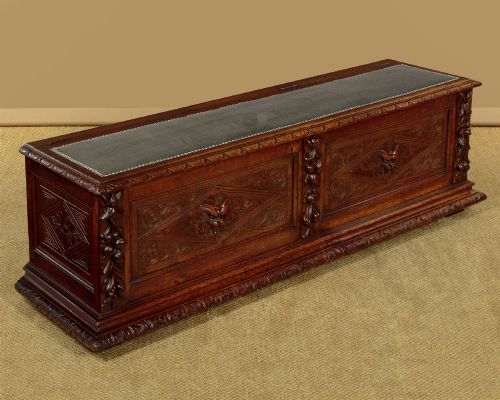
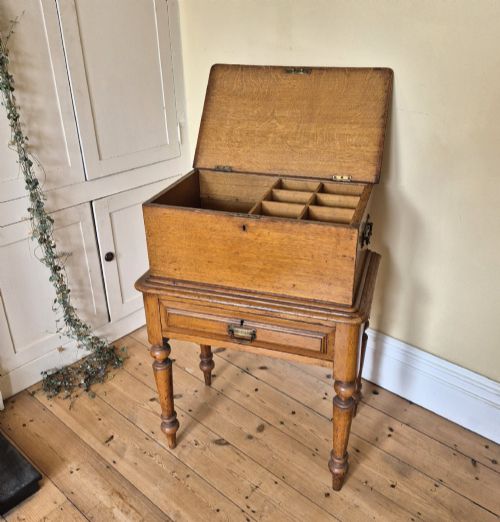
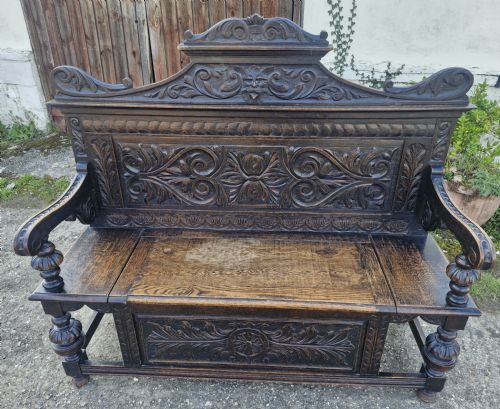
A late victorian oak box is what you encounter when seeking sturdy storage from the closing decades of the nineteenth century. These items range from small desk top stationery cabinets and locking cigar holders to larger blanket chests and hall benches with lifting seats.
The version most commonly met on this page is carved from dense timber, often featuring brass mounts, hinged lids, and compartmentalised interiors designed for specific domestic or gentlemanly pursuits. Many examples bridge the divide between practical furniture and decorative novelty, such as tantalus sets and purdoniums.
Originating around eighteen ninety to nineteen hundred, these pieces reflect the heavy, durable craftsmanship favoured in late nineteenth century British interiors. They serve as functional storage units that double as characterful focal points in a hallway, study, or drawing room.
How they were made
Construction relies heavily on solid timber, particularly standard oak and figured pollard oak, shaped with traditional joinery methods to withstand daily use. Carved details adorn many lids and panels, showing hand-chiselled relief work typical of the period.
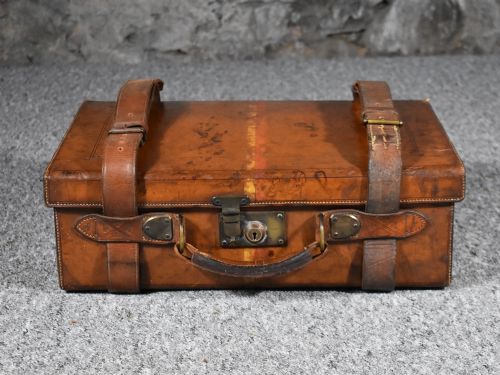
Metal components play a crucial role in both function and decoration, with cast brass hinges, locks, and drop handles fitted securely to the timber. Leather linings, cut glass decanters, and internal mirror glass further enhance the complexity of these fitted boxes and cabinets.
One railway coal wagon humidor proves that even nineteenth century transit workers appreciated a proper place for their cigars.
What varies in quality
Quality reveals itself in the selection of the timber grain and the crispness of the carved ornamentation on the lid and panels. Finer examples display carefully matched cuts of pollard oak or deep, articulate relief carving that remains sharp and well-defined.
The standard of the internal fittings and hardware dictates the upper tier of these pieces. Original brass locks, working keys, intact glass bottles, and well-preserved leather compartments separate utilitarian storage items from superior presentation boxes.
James Purdey and Sons
The Late Victorian Oak Box Glossary
- Tantalus
- A locking drink cabinet that holds decanters securely while displaying the bottles and preventing uninvited access. The mechanism typically locks the stoppers in place until a key is turned.
- Purdonium
- A specialised cabinet designed to hold coal near a fireplace, usually featuring a sloping front and a metal liner. These items combine practical hearth storage with decorative woodwork.
- Pollard oak
- Timber taken from trees that were pollarded, resulting in a highly figured, mottled grain pattern. Cabinet makers prized this wood for its decorative surface on statement pieces.
- Stationery cabinet
- A desk accessory featuring compartments, drop-fronts, or sloped lids intended for paper, envelopes, and writing implements. They organise correspondence in Victorian studies.
- Box settle
- A bench featuring a high back and a seat that lifts to reveal a storage compartment underneath. This hybrid form saves space in hallways and parlours.
Late Victorian Oak Box: Frequently Asked Questions
What were tantalus boxes used for?
A tantalus held spirits under lock and key to prevent servants or guests from helping themselves to the homeowner's best liquor.
The clever metal framework secured the glass decanter stoppers so the bottles could not be removed until the lock was opened with a key.
How do I care for antique oak?
Keep wooden boxes away from direct heat sources and sudden temperature changes to prevent the timber and joints from splitting.
Apply a traditional wax polish occasionally to nourish the grain and maintain a soft, protective sheen on the surface.
Where should I place a box settle?
These combination seats work well in entrance halls and boot rooms where hidden storage for shoes or accessories is useful.
The high wooden back also helps block cold drafts near doorways while offering a firm place to sit.
Are original locks common?
Many items retain their original brass locking mechanisms, though working keys are less frequently preserved after more than a century.
Specialist locksmiths can sometimes provide replacement keys or repair the internal levers if security is required.