



Late Victorian Oak Armchair
A late victorian oak armchair brings robust construction and honest grain to a study or hearth, combining period utility with enduring craft.
Late Victorian Oak Armchair
A late victorian oak armchair encompasses a sturdy variety of seating designed for daily use in libraries, offices and country houses during the late nineteenth century. These pieces emerge predominantly from the decades around eighteen-ninety, reflecting the solid domestic requirements of the period alongside emerging aesthetic movements.
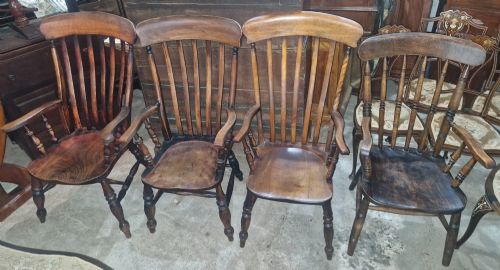
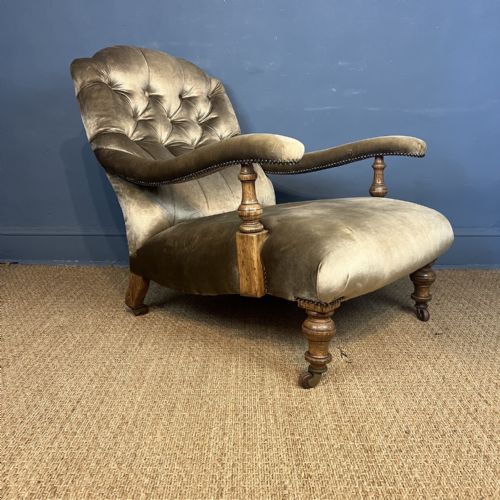
The selections encountered here range from revolving desk chairs and smokers bows to Arts and Crafts open armchairs and carved throne chairs. Buyers frequently meet functional office variations fitted with swivel mechanisms, alongside farmhouse Windsors and upholstered library seating constructed from heavy timber.
Evaluating the Range
Distinction across the range rests on the integrity of the timber framing and the sophistication of the joinery rather than surface embellishment alone. Superior examples retain original swivel mechanisms, uncompromised cane work and tight structural joints without excessive replacement parts.
The depth of carving and the selection of figured oak distinguish standard utilitarian seating from ambitious Arts and Crafts or Gothic Revival commissions. Original upholstery materials and branded maker stamps further elevate a piece by confirming provenance and untouched condition.
Late Victorian Oak Armchair Retail Price Guide 2026
Typical asking prices for late victorian oak armchair among the pieces listed under this phrase on Sellingantiques today, from the lower quarter to the upper quarter. They describe what is for sale here now, not the wider market.
Several chairs include cast iron components salvaged from ships, demonstrating Victorian resourcefulness in repurposing marine hardware for domestic seating.
Edward William Godwin·Gregory and Co
The Late Victorian Oak Armchair Glossary
- Smokers bow
- A sturdy low-backed wooden armchair related to the Windsor tradition, traditionally placed in smoking rooms or public houses. These chairs feature continuous bentwood arm rails supported by turned spindles.
- Arts and Crafts
- A design movement prioritising traditional craftsmanship, visible construction methods and honest materials over mass production. Pieces from this style often display simplified structural forms and hand-carved decoration.
- Revolving desk chair
- An office seat mounted on a central swivel spindle and fitted with a wooden or cast iron base. These pieces allowed clerks and gentlemen to pivot easily between workspace surfaces.
- Captain's chair
- A low-backed wooden armchair with a rounded top rail supported by spindles, designed for comfort during long periods at a desk or table. They frequently incorporate solid saddle seats shaped for ergonomics.
Late Victorian Oak Armchair: Frequently Asked Questions
What defines an Arts and Crafts armchair?
An Arts and Crafts armchair displays exposed joinery, unpretentious timber surfaces and structural honesty. Decoration remains minimal, relying instead on chamfered edges, exposed pegs and hand-carved vegetal motifs.
These pieces break away from ornate Victorian revival styles by celebrating the natural grain of solid oak and the clear geometry of traditional carpentry.
Where were these armchairs originally used?
These seating forms served diverse domestic and commercial environments ranging from solicitors' offices and libraries to country house smoking rooms and farmhouse kitchens. Swivel and desk variants belonged in professional workspaces.
Open armchairs and upholstered library chairs sat beside hearths or reading tables, while Windsor and farmhouse variants suited communal domestic spaces.
How do I care for oak furniture?
Maintain oak furniture by keeping it away from direct heat sources and sudden humidity changes that can cause timber to split. Apply a microcrystalline wax periodically to nourish the grain and protect the finish.
Avoid commercial silicone polishes, which build up over time and attract dust, dulling the natural lustre of the nineteenth-century surface.