

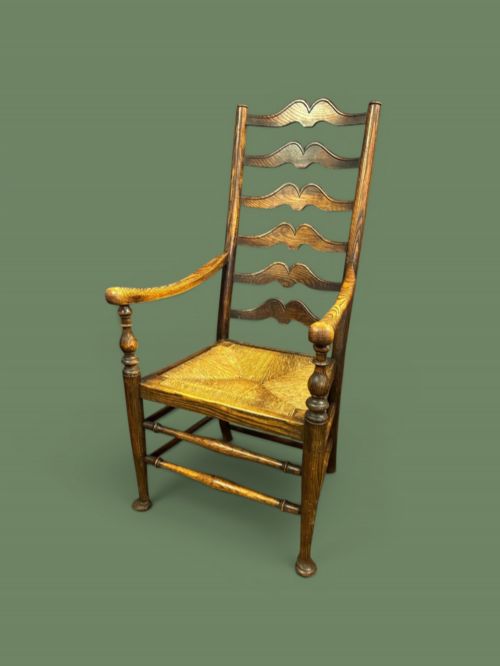
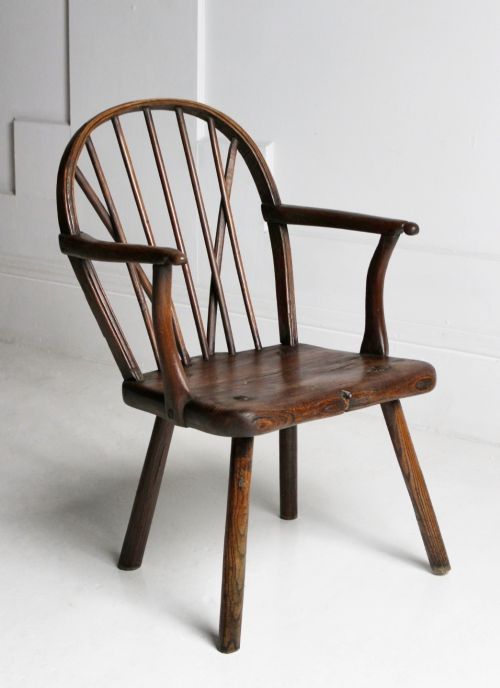


Rustic Oak Elbow Chair
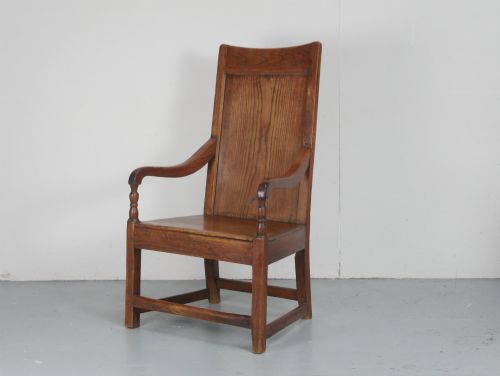
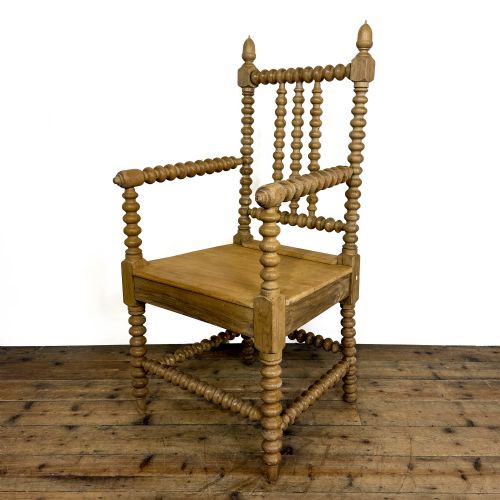
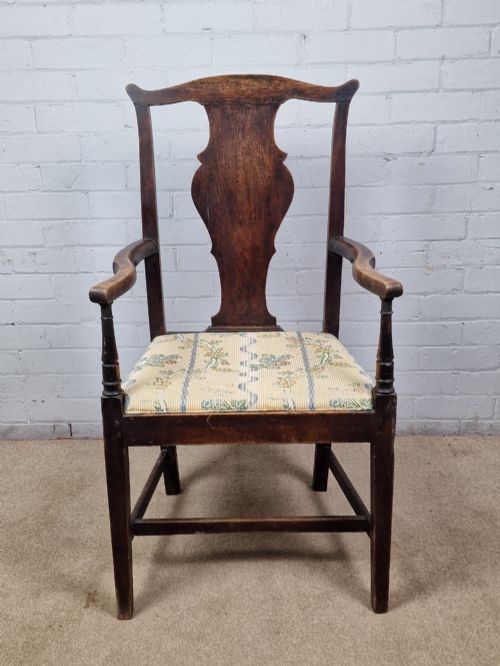
A rustic oak elbow chair brings honest country timber and sturdy construction directly into a modern home.
Rustic Oak Elbow Chair
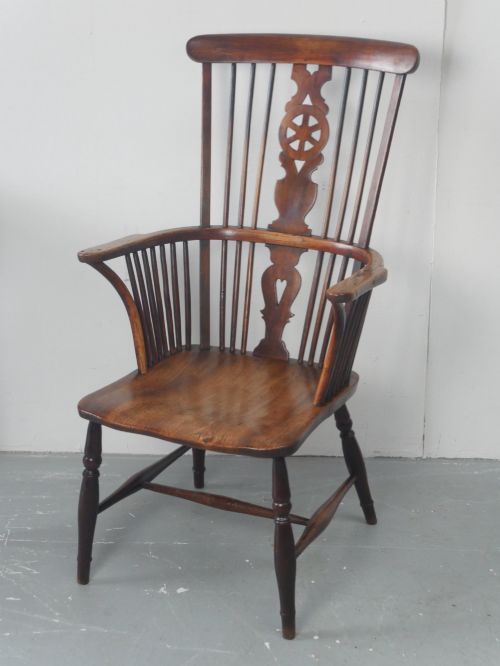
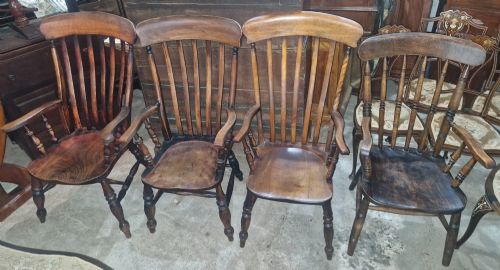
A rustic oak elbow chair is a solid country seat designed for utility, featuring characteristic wooden arms and a sturdy timber frame. When you search for a rustic oak elbow chair, you encounter a variety of traditional seating forms ranging from farmhouse Windsors to vernacular stick backs.
The pieces on this page span several centuries, drawing heavily on Georgian and Victorian country traditions. Makers utilised local hardwoods to construct armchairs for everyday use in kitchens, firesides and farmhouses.
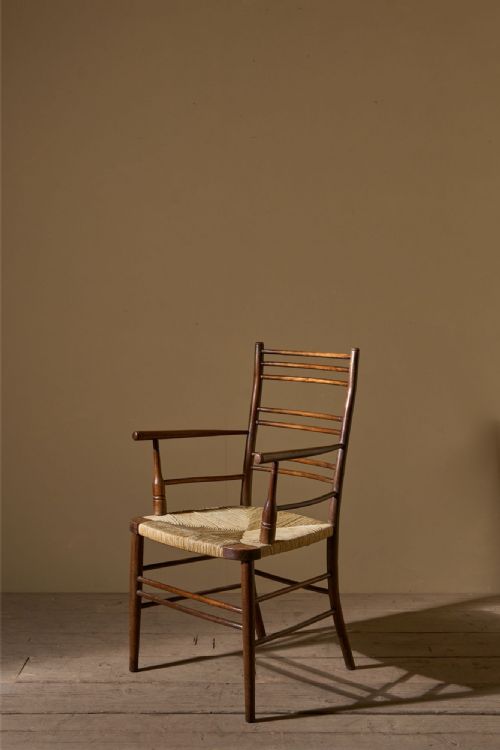
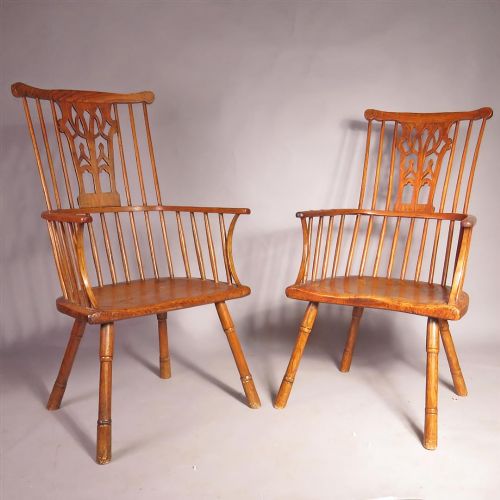
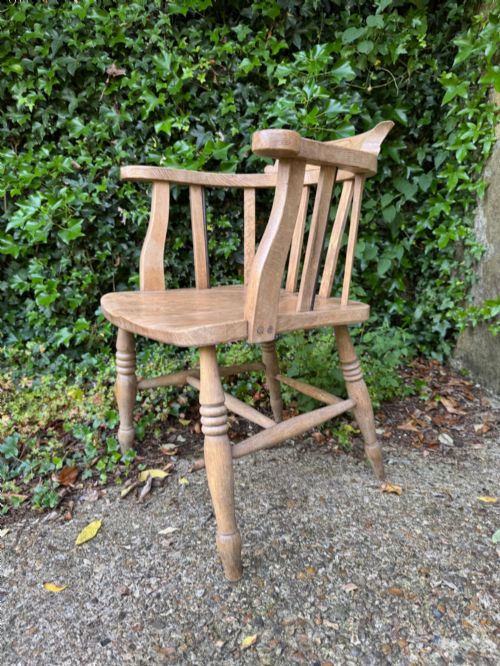
Styles include Arts and Crafts interpretations, smoker's bows and comb-back designs alongside simple vernacular chairs. These items rely on robust joinery rather than delicate ornamentation, reflecting their origins in English, Welsh and French rural workshops.
Materials and Construction
Makers constructed these chairs primarily using solid oak, complemented by companion timbers such as elm, ash, beech and yew for seats and spindles. Rush and cane also appear as woven inserts for seating surfaces.
Traditional bodgers and country joiners shaped green wood using drawknives and shaves, fitting turned spindles into heavy plank seats. This method ensured that the timber settled naturally around the joints as it dried.
Frames utilise mortise and tenon joints secured with wooden pegs, while steam-bending techniques created the curved crest rails and armbows seen on Windsor and stick-back models.
Rustic Oak Elbow Chair Retail Price Guide 2026
Typical asking prices for rustic oak elbow chair among the pieces listed under this phrase on Sellingantiques today, from the lower quarter to the upper quarter. They describe what is for sale here now, not the wider market.
Listings span the seventeenth to the twentieth centuries, recording diverse regional materials including oak, elm, ash, beech, rush and fabric.
Judging Quality and Character
Quality in a country elbow chair rests upon the integrity of the timber and the harmony of its proportions. Chairs fashioned from thick, well-figured oak planks with deep patination stand apart from plainer examples.
The skill of the turning on spindles and legs dictates the refinement of the piece. Crisp lines on arm supports and balanced hoop backs reveal the hand of a confident maker.
Structural honesty defines the better specimens. Chairs that retain their original wedges, undisturbed pegging and honest surface wear without excessive modern intervention command greater respect.
The Rustic Oak Elbow Chair Glossary
- Windsor chair
- A chair built with a solid wooden seat into which the legs and back spindles are bored directly. This design offers robust support through a central bow or comb piece.
- Stick back
- A vernacular seating form where turned wooden rods form the back rest. These rods insert into a heavy timber seat.
- Smoker's bow
- A low-backed Windsor variant featuring a continuous curved armrail popular in public houses and farmhouses. The design provides comfortable elbow support during long sittings.
- Vernacular
- An architectural or furniture-making style rooted in local traditions and practical needs rather than academic pattern books. These objects use regional materials and straightforward methods.
- Comb back
- A Windsor chair variation where the top rail resembles the spine of a comb, often featuring protruding spindle tops. This style dates back to the eighteenth century.
Rustic Oak Elbow Chair: Frequently Asked Questions
How do I care for my rustic oak elbow chair?
Keep the timber nourished by applying natural beeswax periodically to maintain the surface sheen and prevent the wood from drying out.
Position the chair away from direct heat sources and strong sunlight to protect ancient finishes and prevent timber splitting.
Were these chairs used for dining or firesides?
Country elbow chairs served multiple domestic purposes, acting as carver seats at dining tables or sturdy chairs pulled up to the hearth.
Their robust timber construction allowed them to move easily between rooms depending on household needs.
What is the difference between a Windsor and a stick back?
A Windsor chair typically incorporates a bentwood bow above the seat to support the back spindles, often featuring a carved saddle seat.
A stick back relies on a simpler arrangement of upright turned spindles inserted directly into a plank seat without a steam-bent bow.
How can I tell an older chair from a later revival piece?
Examine the tool marks on the underside of the seat and the wear patterns around the foot rails for signs of age. Hand-adzed scoops and irregular lathe turnings point to earlier production periods.
Revival pieces often display uniform machine turning and clean, modern timber seasoning that lacks deep historical patination.