


Late Victorian Nightstand
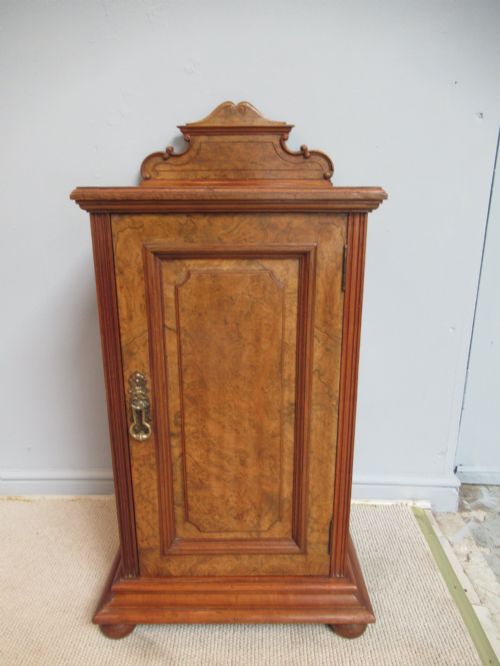
A late victorian nightstand brings compact utility and distinct period character to the bedside through thoughtful craftsmanship in mahogany, walnut, and oak.
Late Victorian Nightstand
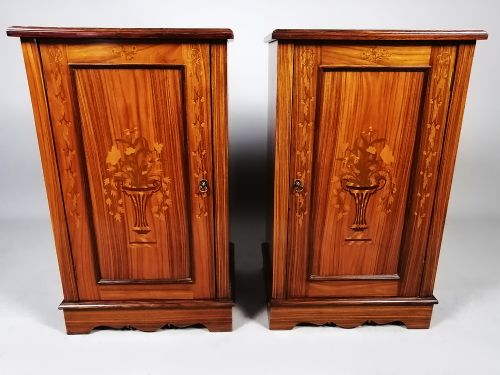
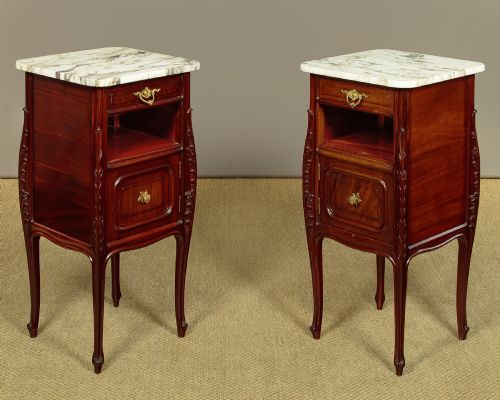
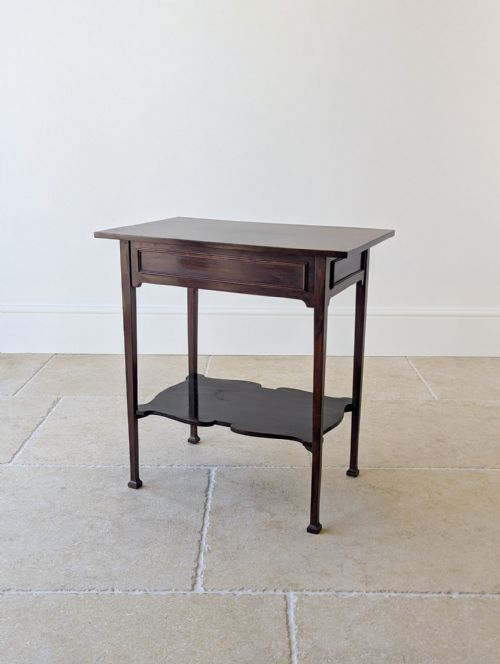
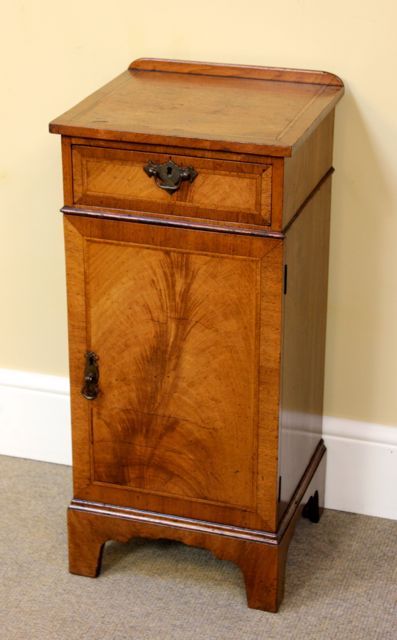
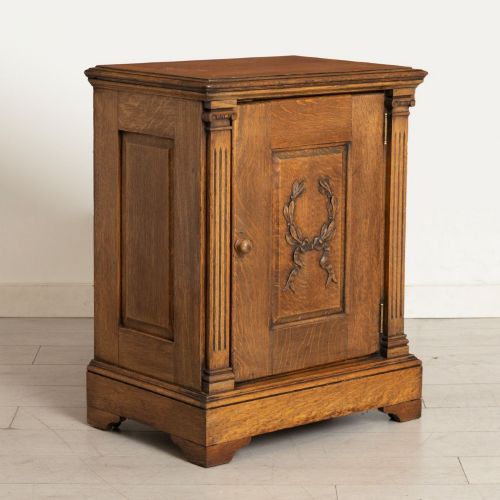
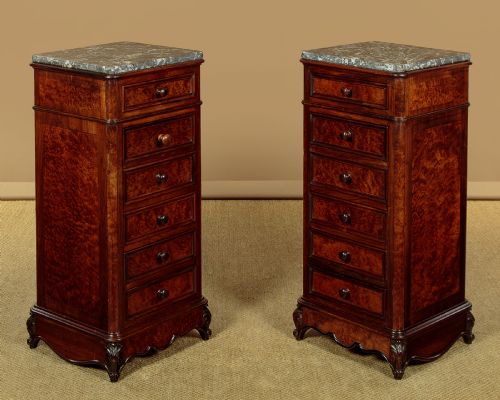
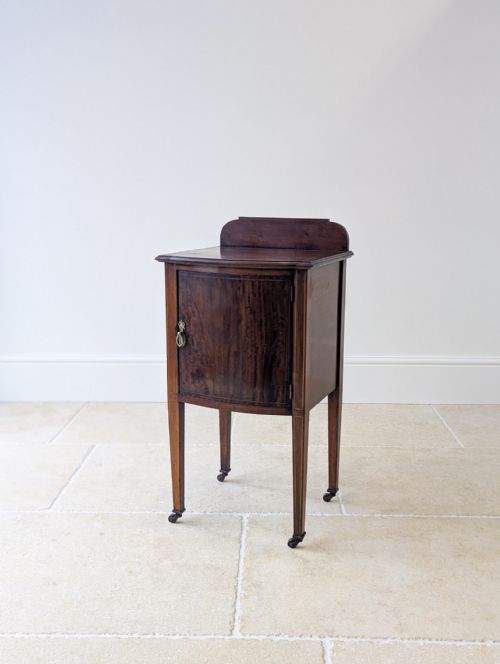
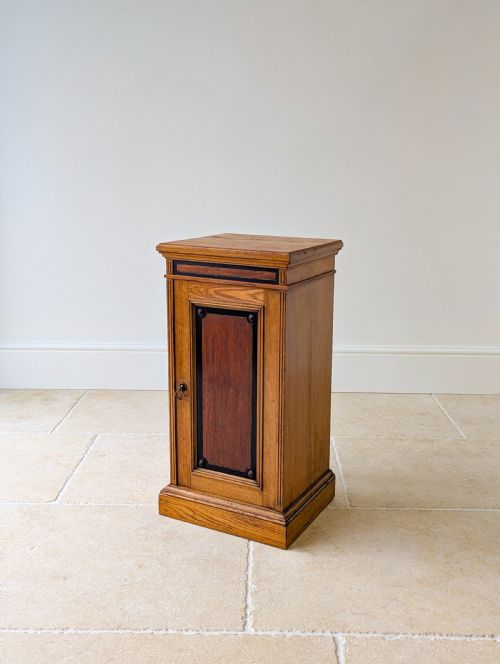
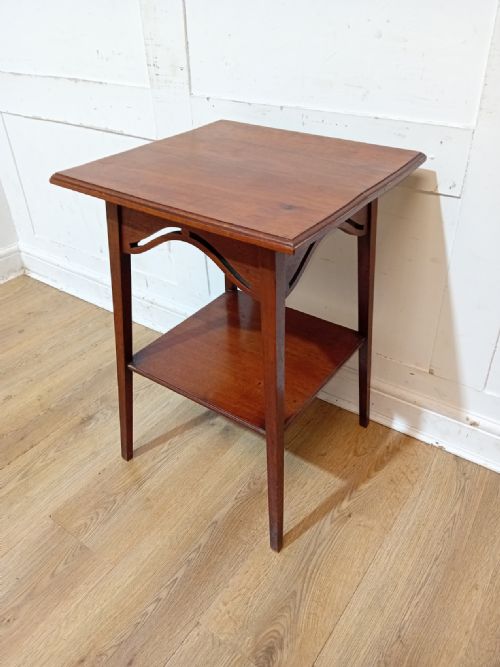
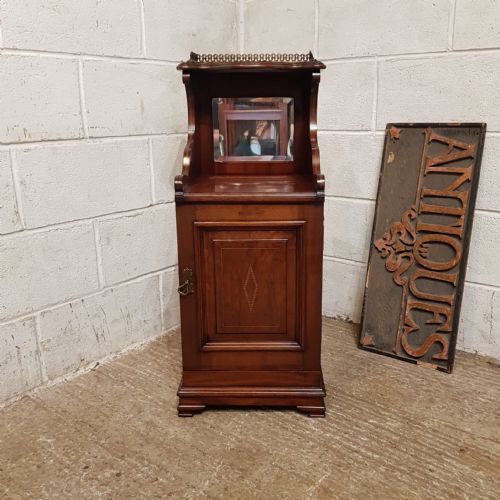
A late victorian nightstand encompasses a diverse range of bedside furniture from the latter decades of the nineteenth century, including enclosed cabinets, small chests of drawers, and open side tables. Buyers seeking a late victorian nightstand will encounter various forms such as single-door bedside cupboards, marble-topped lockers, and miniature drawer pedestals originating primarily from the Victorian period.
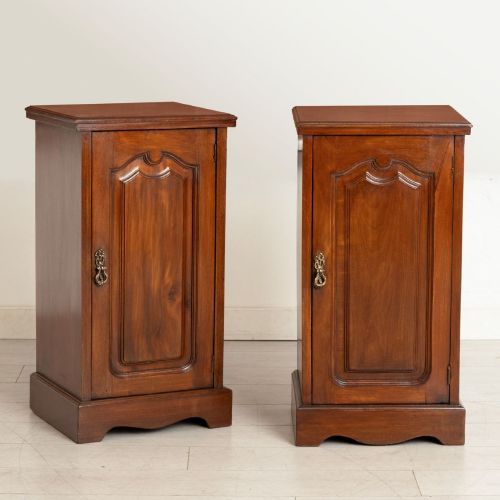
The selection extends across multiple stylistic interpretations spanning standard Victorian designs to Aesthetic Movement, Arts and Crafts, Gothic Revival, and French Revival influences. Pieces frequently appear as matched pairs alongside individual examples, offering functional storage surfaces and internal shelving originally designed to house chamber pots or personal items.
Makers and retail houses of the era such as Liberty of London, Heals, and James Shoolbred contributed notable examples to this category, utilising rich timbers to satisfy the domestic demands of late nineteenth-century bedrooms.
How they were made
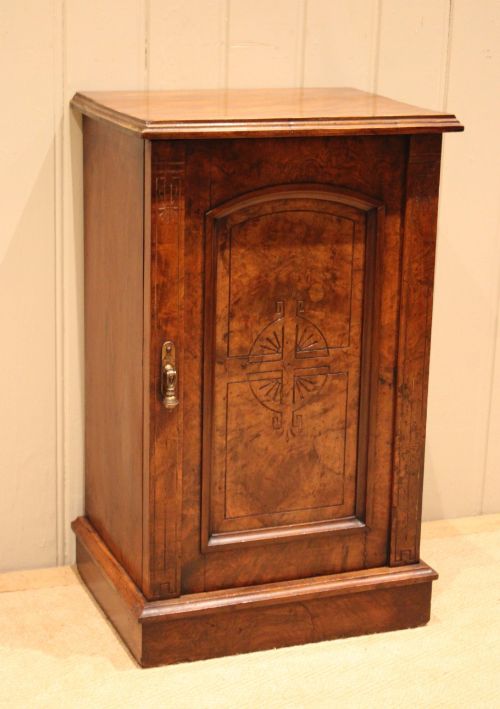
Cabinet makers utilised a substantial palette of timbers including mahogany, walnut, burr walnut, rosewood, oak, ash, and satinwood, often enhanced with exotic hardwoods, marquetry inlay, and brass hardware. Construction methods relied on traditional joinery techniques combined with turned or carved details suited to the prevailing Victorian tastes.
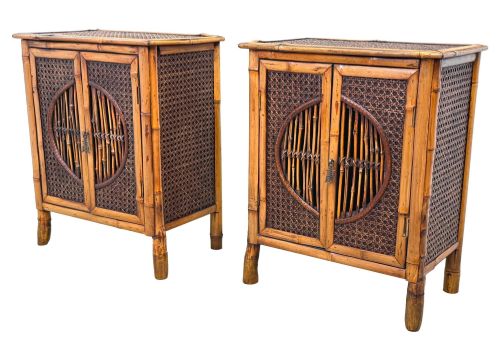
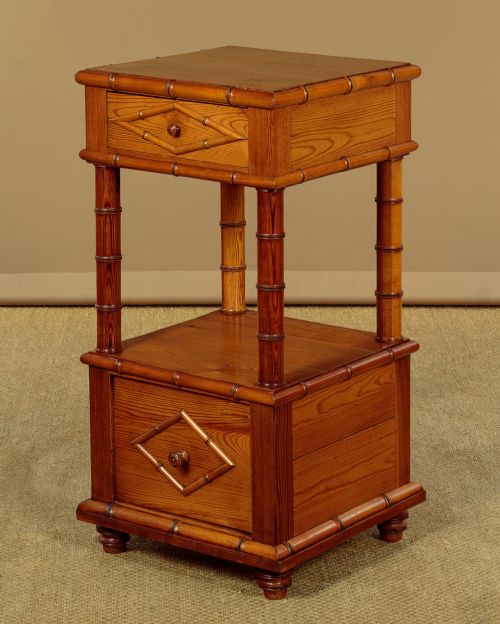
Certain specialised pieces incorporate applied marble tops for durability and hygiene, whilst alternative variants employ faux bamboo moulding or ebonised finishes to reflect specific Aesthetic Movement and continental revival trends of the period.
Late Victorian Nightstand Retail Price Guide 2026
Typical asking prices for late victorian nightstand among the pieces listed under this phrase on Sellingantiques today, from the lower quarter to the upper quarter. They describe what is for sale here now, not the wider market.
Some nightstands double as miniature cupboards disguised as bamboo, proving the Victorians had a wonderful sense of botanical mischief.
What varies in quality
The distinction between tiers of quality rests upon the selection of timber veneers, the precision of internal drawer construction, and the refinement of surface decoration like marquetry and brass mountings. Superior examples demonstrate careful matching of burr walnut or figured mahogany grains and retain original fittings.
Proportion and stylistic cohesion further separate standard production pieces from workshop items bearing maker stamps or specific stylistic adherence to Arts and Crafts principles.
Liberty of London·Heals·James Shoolbred
The Late Victorian Nightstand Glossary
- Bedside cabinet
- An enclosed piece of furniture designed to stand next to a bed, typically featuring a single door and interior shelf.
- Aesthetic Movement
- A late nineteenth-century design style emphasising visual beauty, often drawing inspiration from Japanese motifs and ebonised finishes.
- Marquetry
- The art of applying decorative pieces of veneer to a structure to form intricate geometrical or floral patterns.
- Pedestal
- A supportive base structure or tall narrow cabinet form frequently utilised for compact bedside storage.
- Satinwood
- A durable, lustrous timber with a golden yellow sheen often employed for fine cabinetwork and decorative stringing.
Late Victorian Nightstand: Frequently Asked Questions
What is a late victorian nightstand?
A late victorian nightstand is a small bedside cabinet, chest of drawers, or table produced during the closing decades of the nineteenth century. These items provided compact storage and display space within the Victorian bedroom.
Craftsmen built them in various woods including mahogany, walnut, and oak, frequently incorporating cupboards or multiple drawers to suit domestic requirements of the period.
How do I style a nightstand?
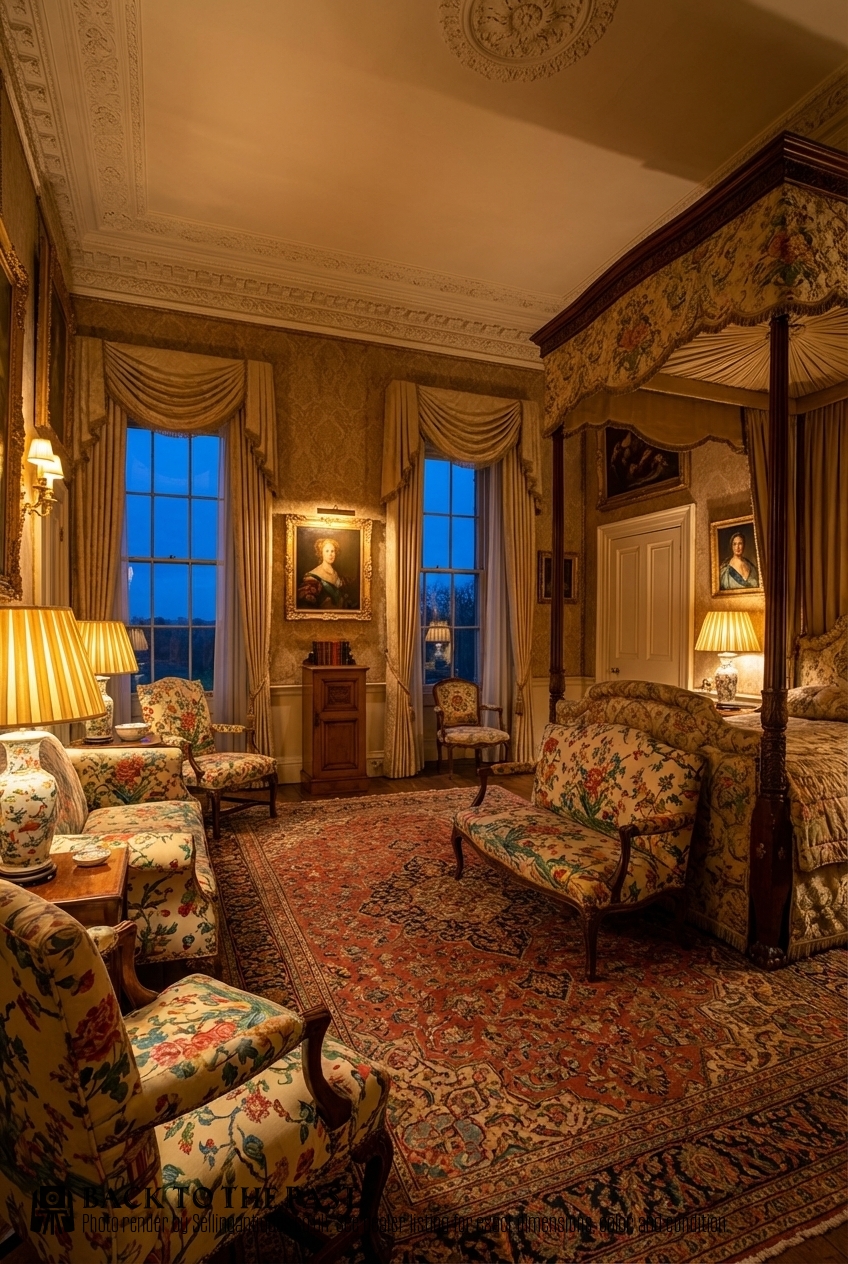
Styling a nightstand involves balancing practical lighting and surface space with decorative objects that complement the surrounding room. Placing a small lamp or antique clock atop the piece maintains traditional utility.
Consider the wood tone and finish of the cabinet to ensure visual harmony with existing bed frames and bedroom furniture.
Are nightstands sold in pairs?
Many bedside pieces from this era survive as matched pairs, though single examples are equally common. Pairs often feature mirrored cabinet doors or symmetrical drawer configurations.
Collectors seeking balanced bedroom layouts frequently search specifically for matching pairs of bedside cupboards or chests.
What woods were used?
Cabinet makers utilised a wide variety of domestic and exotic timbers depending on the desired aesthetic and cost. Mahogany and walnut remain the most prevalent materials found across these pieces.
Alternative choices include oak, rosewood, ash, satinwood, and burr walnut, occasionally accented with marble tops or marquetry inlay.