


Late Victorian Gold Jewellery
Late victorian gold jewellery brings together high-carat settings and precious stones shaped by late nineteenth-century goldsmiths.
Late Victorian Gold Jewellery
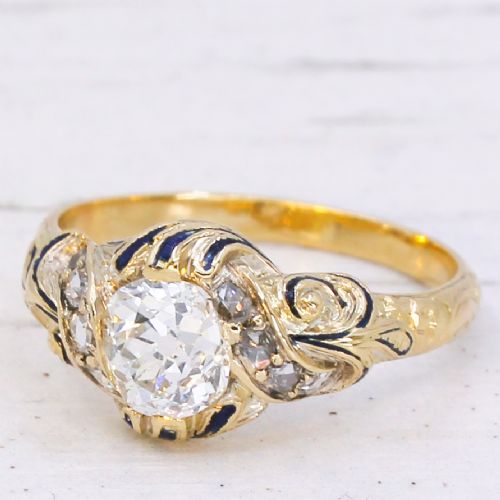
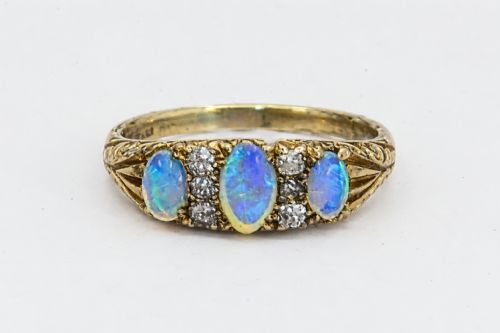
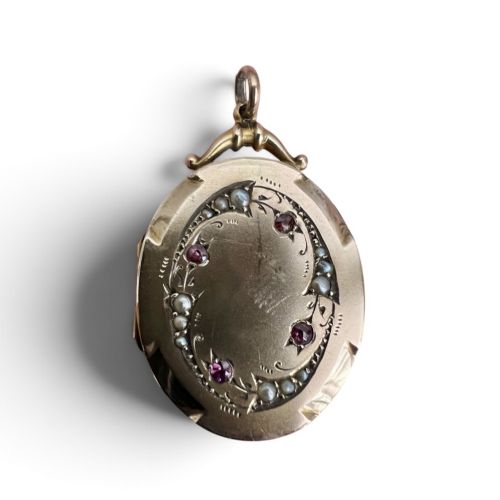
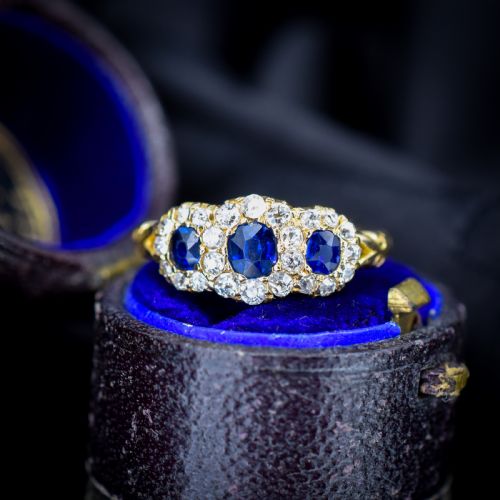
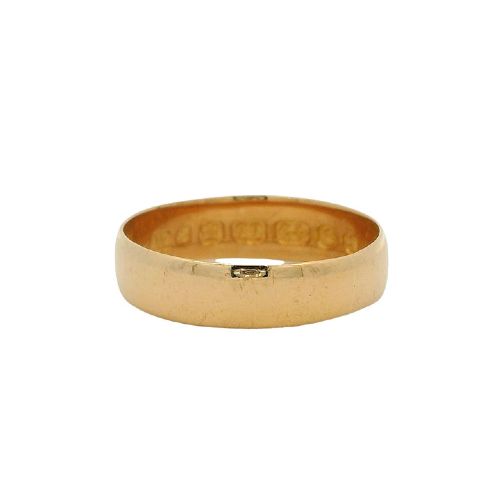
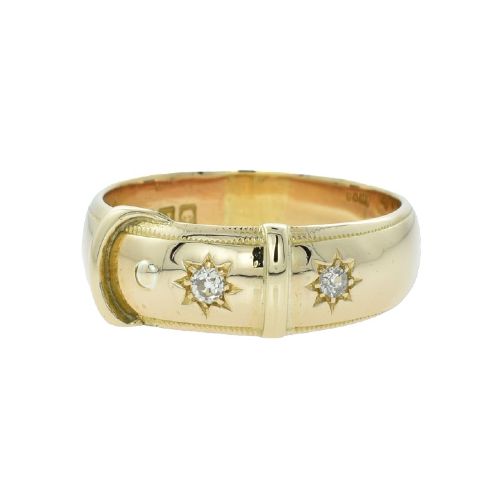
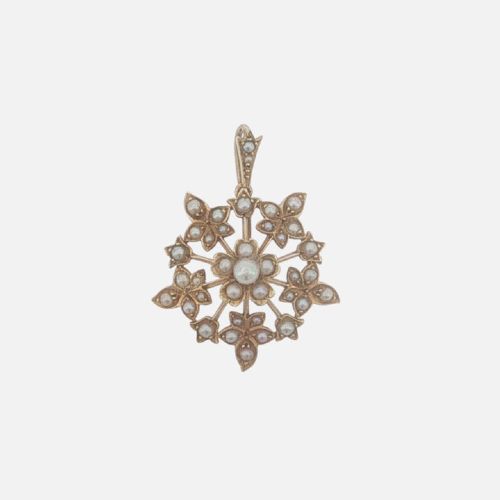
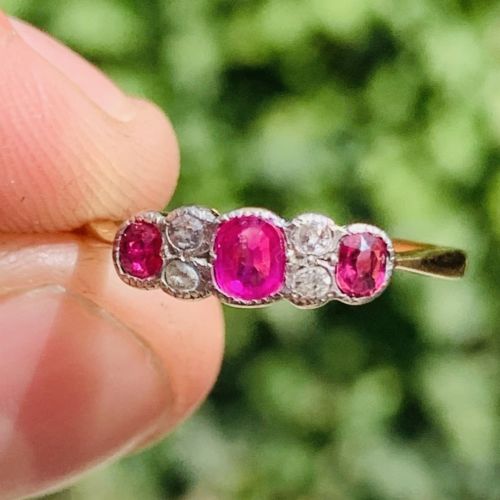
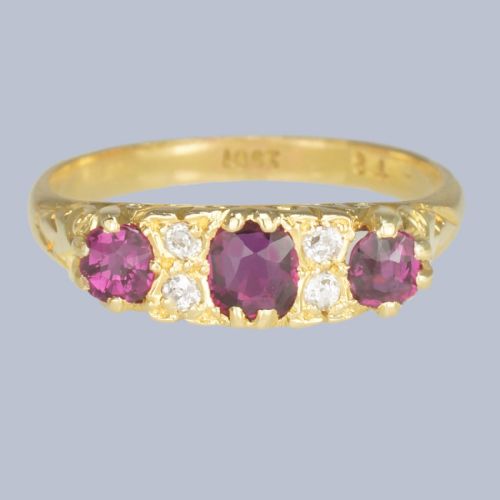
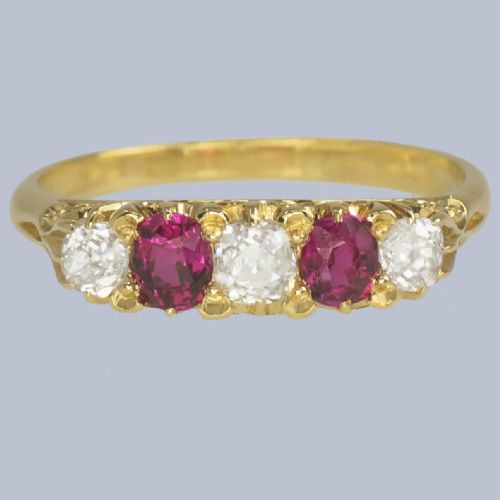
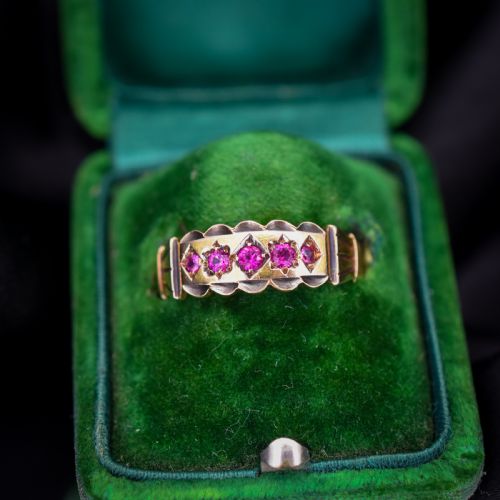
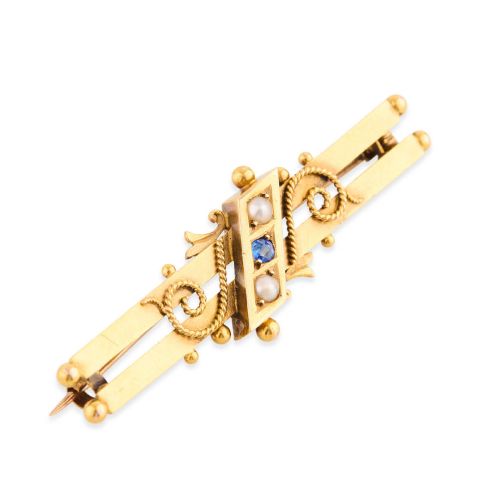
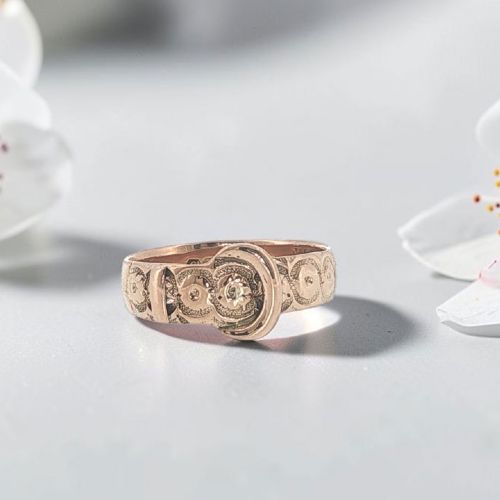
Late victorian gold jewellery encompasses rings, brooches, pendants, necklaces, bracelets, and lockets originating between eighteen-eighty and nineteen-ten. The selection leans heavily toward rings and bar brooches set with clusters of diamonds, rubies, sapphires, and pearls.
Makers of this era employed distinct styles ranging from classic Victorian cluster designs to delicate Edwardian motifs and Arts and Crafts creations. Buyers encounter pieces bearing hallmarks from regional offices such as Chester and Birmingham alongside unmarked gold creations.
Materials and Techniques
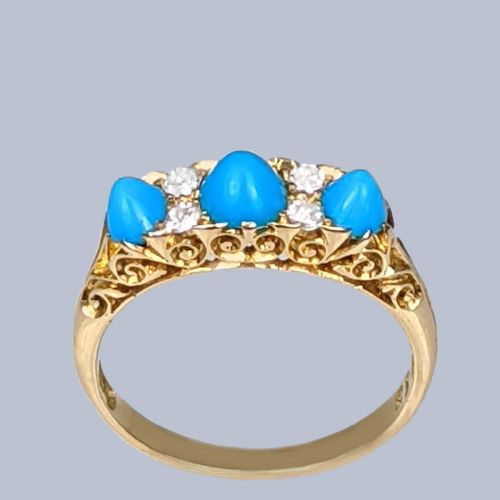
Goldsmiths utilised fifteen-carat and eighteen-carat yellow and rose gold, occasionally incorporating platinum alongside lower-carat variations. These metals were shaped into ornate mountings designed to secure old-cut diamonds, opals, garnets, and turquoises.
Construction techniques relied upon hand-setting stones into claw or collet mounts, supplemented by delicate wirework, granulation, and repoussé detailing on lockets and pendants.
Current listings feature items fashioned from fifteen-carat gold, eighteen-carat yellow gold, and nine-carat rose gold.
Distinctions in Standard
Lesser examples show excessive wear to the metalwork, poorly matched replacement stones, or obscured hallmarks that muddy the provenance of the piece.
Murrle Bennett
The Late Victorian Gold Jewellery Glossary
- Old-cut diamond
- A vintage diamond facet pattern characterised by a small table, high crown, and open culet, typical of late nineteenth-century stones.
- Cluster ring
- A ring featuring a central gemstone encircled by a tight border of smaller accent stones, most commonly diamonds surrounding a sapphire or ruby.
- Bar brooch
- A slender horizontal metal pin often embellished with pearls, gemstones, or central motifs, designed to fasten garments.
- Collet setting
- A low-profile metal collar that surrounds the girdle of a gemstone to hold it securely within the jewellery piece.
- Hallmark
- An official stamp struck into precious metal indicating the purity standard, assay office, and year of manufacture.
Late Victorian Gold Jewellery: Frequently Asked Questions
What periods do these pieces date from?
Late victorian gold jewellery spans the late nineteenth century and the early years of the twentieth century, specifically between eighteen-eighty and nineteen-ten.
Items from this timeframe frequently overlap with early Edwardian and Arts and Crafts movements, reflecting transitional design tastes.
How do I care for antique gold jewellery?
Clean these pieces gently using warm water and a soft brush, avoiding harsh chemical dips that can damage pearls and softer gemstones.
Store items individually in fabric-lined boxes to prevent softer metals and gems from scratching against one another.
What gold purities appear in these pieces?
Jewellery from this era is commonly found in fifteen-carat and eighteen-carat gold, alongside nine-carat and occasional twenty-two-carat examples.
British assay offices stamped many of these items with specific hallmarks denoting their exact alloy composition and origin.