



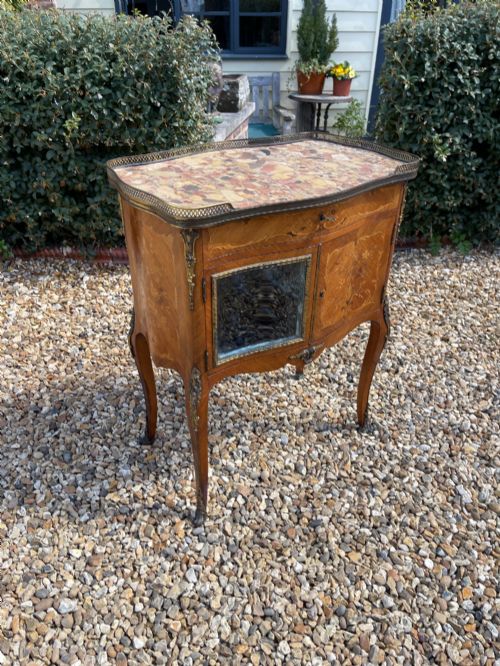


Late Victorian Display Table
A late victorian display table brings together glass and fine timber to show small treasures at home.
Late Victorian Display Table
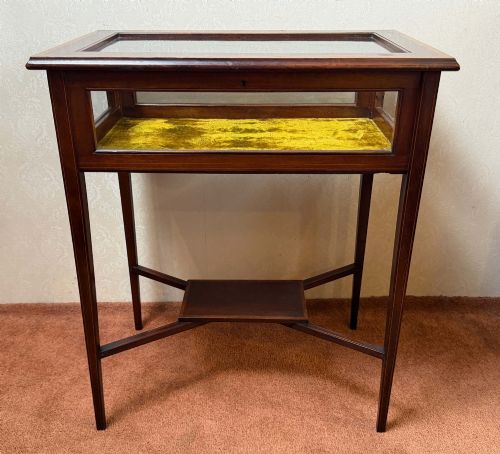
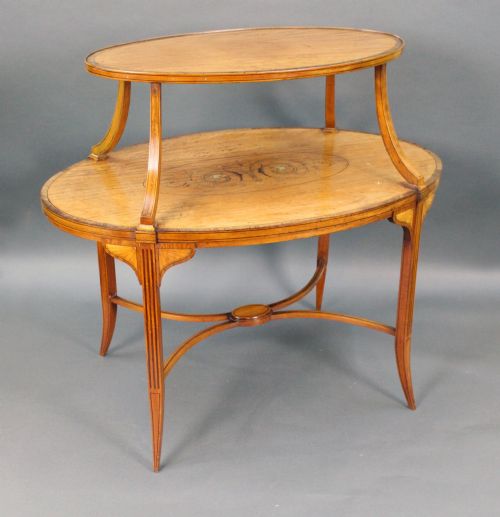
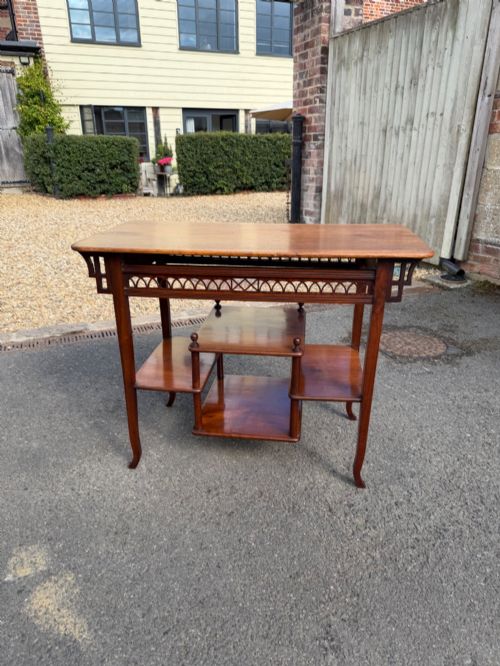
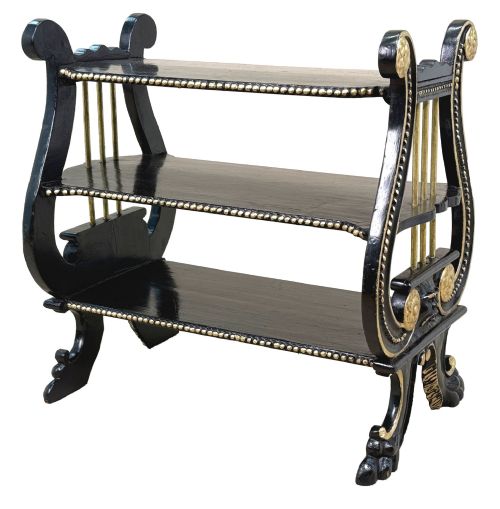
A late victorian display table serves as a purposeful surface for presenting curiosities, jewellery and small ornaments under glass. Buyers searching this phrase will frequently encounter bijouterie tables, étagères and occasional tables from the late nineteenth century.
The pieces on this page span the Victorian and Edwardian periods, stretching from the eighteen-eighties to nineteen-hundred. They appear in diverse styles including French Rococo Revival, Aesthetic Movement, Japonisme and Arts and Crafts.
Makers and designers of the era such as Shoolbred, Edwards & Roberts, Gabriel Viardot and Liberty and Co contributed to the variety of forms available. These tables range from compact bamboo occasional pieces to substantial mahogany and walnut vitrines.
How they were made
Cabinet makers utilised a rich palette of timbers including mahogany, walnut, rosewood, ebony and padouk, often enhanced with intricate marquetry inlay, crossbanding and parcel gilding. Bamboo and lacquer also appear for tables influenced by Eastern design.
Glass panels form the viewing areas of bijouterie tables and vitrines, supported by brass, ormolu and gilt bronze mounts. Carved woodwork and glazed compartments display the high level of craftsmanship applied to these functional display pieces.
Late Victorian Display Table Retail Price Guide 2026
Typical asking prices for late victorian display table among the pieces listed under this phrase on Sellingantiques today, from the lower quarter to the upper quarter. They describe what is for sale here now, not the wider market.
Listings feature woods including mahogany, walnut, rosewood, padouk and bamboo, alongside glass, brass, marble and ormolu.
What varies in quality
The distinction between standard production and exceptional quality rests on the crispness of timber carving, the precision of marquetry inlay and the selection of fine veneers such as burr walnut or rosewood. Superior examples demonstrate careful attention to internal linings, secure glass glazing and substantial cast bronze or ormolu mounts.
Attribution to notable makers or retailers elevates a piece significantly, as seen in signed works by established London houses and cabinet makers. The integrity of the original structure and the harmony of stylistic details ultimately define the standing of each table.
Shoolbred·Edwards & Roberts·Gabriel Viardot·Liberty and Co·Samuel Marti
The Late Victorian Display Table Glossary
- Bijouterie table
- A glass-topped display table designed specifically for showcasing small valuable items, jewellery or curiosities. These pieces often feature hinged lids or glazed drawers.
- Étagère
- A set of open shelves for displaying ornaments, taking various multi-tiered forms in wood or bamboo. The style gained popularity during the late nineteenth century.
- Marquetry
- Decorative veneer work forming pictures or geometric patterns using various coloured woods. It requires precise cutting and fitting by skilled artisans.
- Ormolu
- Gilded bronze mounts and decorative details applied to furniture. This finish adds bright metallic accents to timber structures.
- Japonisme
- The influence of Japanese art and design on Western decorative arts. This aesthetic introduced bamboo, lacquer and asymmetrical motifs to British furniture.
Late Victorian Display Table: Frequently Asked Questions
What is a bijouterie table?
A bijouterie table is a specialised display piece featuring a glazed compartment, typically with a hinged top, designed to show off small collectables and jewellery.
These tables allowed Victorian collectors to exhibit their treasures safely while keeping them dust-free in a drawing room or parlour.
How do I style a display table?
Living with a display table involves arranging a curated selection of small items inside the glass compartment, such as pocket watches, medals or miniatures.
The surface around the display area should remain uncluttered to let the timber and the objects within draw the eye.
Are these tables sturdy enough for daily use?
Most late nineteenth-century display tables are constructed from solid hardwoods like mahogany and walnut, making them durable for normal placement in a home.
Care should be taken with delicate bamboo frames or intricate ormolu mounts, treating them with the respect due to antique furniture.
How do I date a late victorian table?
Dating relies on examining the timber species, construction methods, hardware and stylistic cues such as Aesthetic Movement or Arts and Crafts motifs.
Maker marks, stamps or attribution labels can also narrow down the date of manufacture to the final decades of the nineteenth century.