




Late Victorian Dining Silver
Late victorian dining silver brings table settings from the end of the nineteenth century into modern homes, offering both sterling silver and silver plate.
Late Victorian Dining Silver
When searching for late victorian dining silver, buyers encounter functional and decorative table accessories from the late nineteenth century. These pieces date principally from the eighteen-eighties and eighteen-nineties, capturing the aesthetic of the Victorian period.
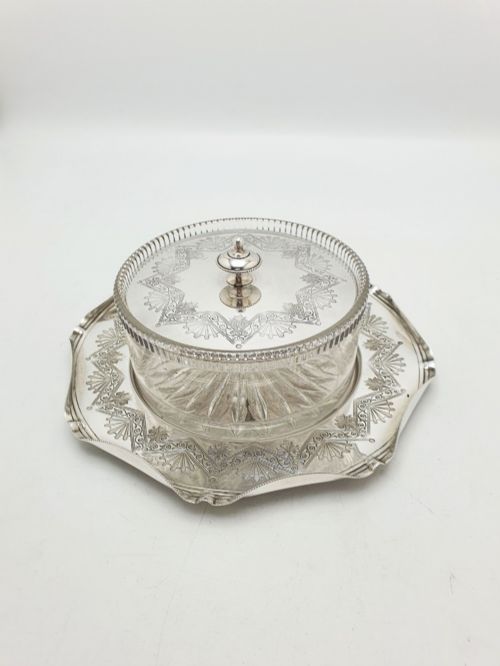
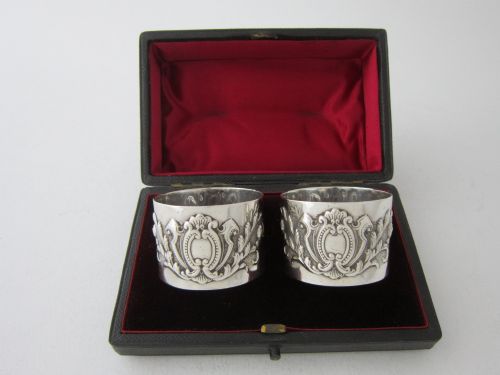
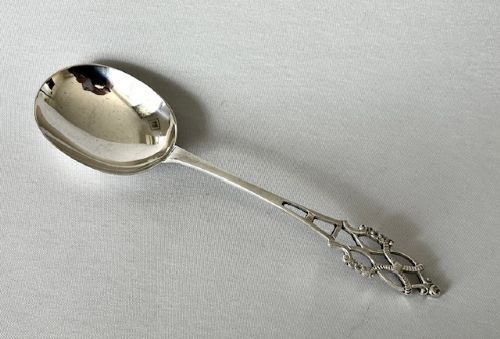
Napkin rings, cruet sets, serveware and candelabra form the core of what appears on this page. Pieces range from sterling silver napkin rings to silver plated spoon warmers and butter dishes with glass liners.
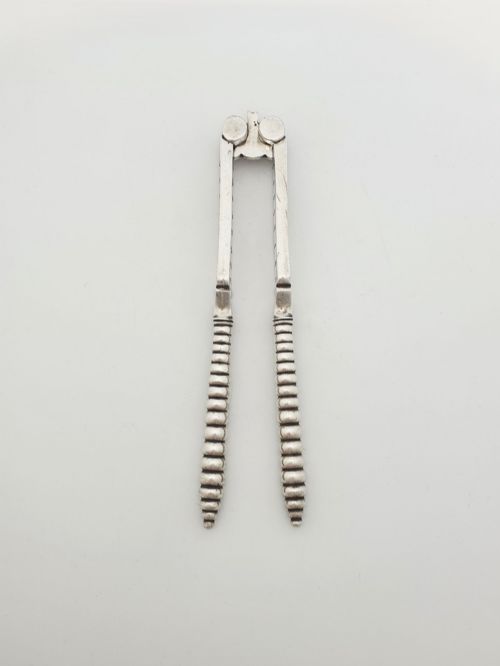
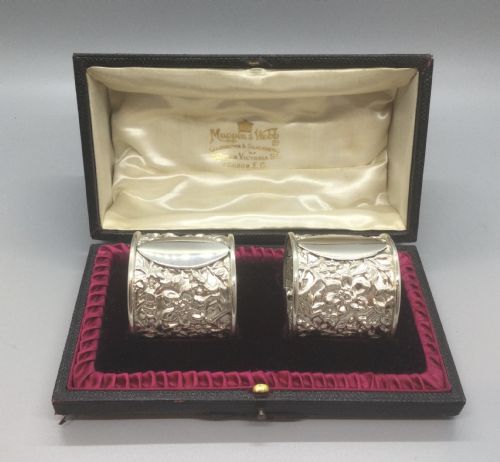
The objects reflect formal dining habits of the period, incorporating specialised implements such as seafood tools, knife rests and hors d'oeuvres forks. Many survive in fitted cases lined with velvet, silk or leatherette.
Distinctions in quality
The choice between sterling silver and silver plate determines the baseline classification of a piece, with solid silver carrying different intrinsic value to plated items. Hallmarks providing specific dates and assay locations confirm the origin and metal standard of solid silver.
The presence of original fitted presentation cases lined with materials like velvet or silk influences the completeness of a set. Associated elements, such as intact cut glass liners or matched components, affect the overall integrity of cruet sets and butter dishes.
Dogs and hunting scenes find their way onto nineteenth century fish servers, proving Victorians liked hounds with their haddock.
The Late Victorian Dining Silver Glossary
- Sterling silver
- A silver alloy containing 92.5 percent pure silver by mass, widely used for Victorian tableware and napkin rings.
- Silver plate
- A base metal coated with a thin layer of silver, common in nineteenth century serving dishes and cruet sets.
- Cruet set
- A collection of small bottles or containers for condiments and sauces, often arranged on a stand or tray for the dining table.
- Spoon warmer
- A specialised Victorian vessel designed to keep dining spoons warm before serving soup or broth.
- Assay mark
- A stamp indicating the purity of precious metal and the office where it was tested, found on solid silver pieces.
Late Victorian Dining Silver: Frequently Asked Questions
What is a spoon warmer?
A spoon warmer is a hollow Victorian vessel designed to hold hot water, keeping dining spoons warm before serving soup at the table.
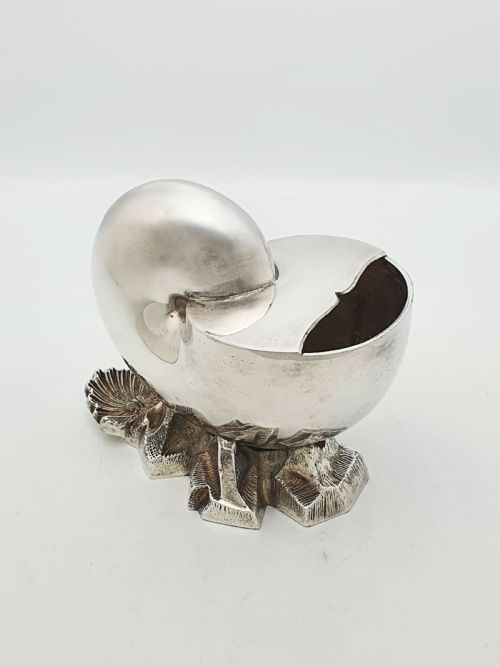
These pieces often take imaginative forms, such as the nautilus shell design recorded in the listings from this period.
How do I care for silver plate?
Silver plated items require gentle cleaning with specialised silver polish and a soft cloth to avoid wearing through the thin silver layer to the base metal.
Storing pieces in dry conditions and away from direct sunlight helps preserve the surface and any accompanying fitted cases.
Are cruet sets complete?
Cruet sets often comprise multiple glass bottles or pepper pots housed in a metal or wooden stand.
When buying late nineteenth century sets, checking that all original glass inserts and condiment containers are present maintains the integrity of the piece.
What are knife rests used for?
Knife rests are small supports placed on the dining table to keep the blades of carving or eating knives elevated off the tablecloth between courses.
Victorian examples frequently pair silver plated or mother-of-pearl rests in boxed sets dating around eighteen hundred and ninety.