





Late Victorian Coffee Table
These late victorian coffee table pieces bring together period craft and low forms, giving a room practical surface space with distinct historical character.
Late Victorian Coffee Table
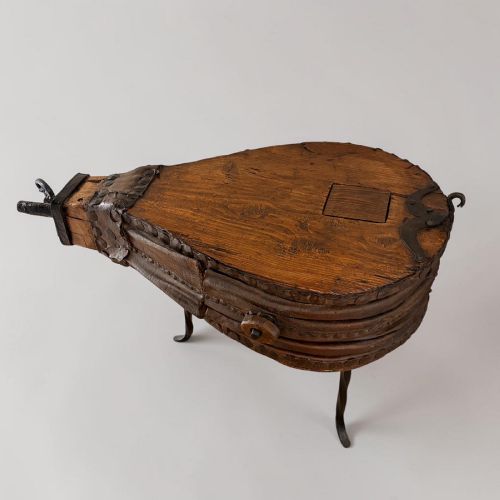
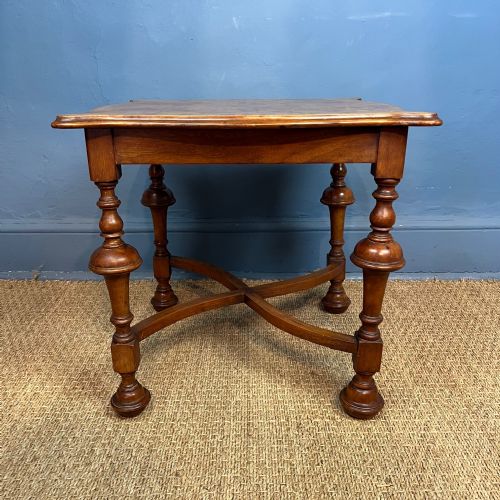
A late victorian coffee table covers a wide variety of low tables and adapted items appearing from the late nineteenth century and the early years of the twentieth. Buyers hunting for a late victorian coffee table will encounter standard walnut and mahogany designs alongside converted butler trays, campaign beds, school desks, and low occasional pieces.
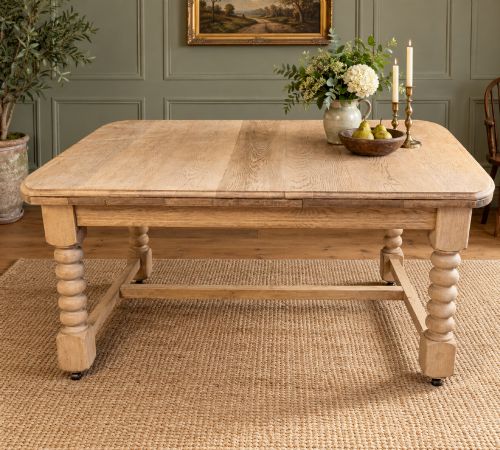
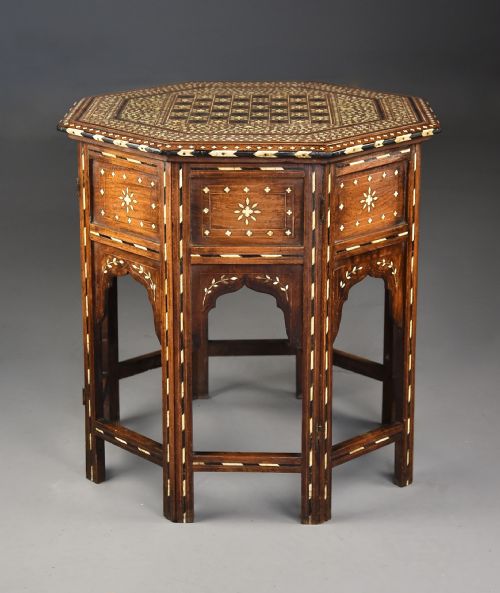
The selection ranges from simple farmhouse tables in bleached oak and elm benches to highly decorative octagonal forms influenced by Anglo-Indian and Moorish styles. Many examples originate as occasional tables, side tables, or tray tables brought down in height to serve modern living spaces.
Materials and construction
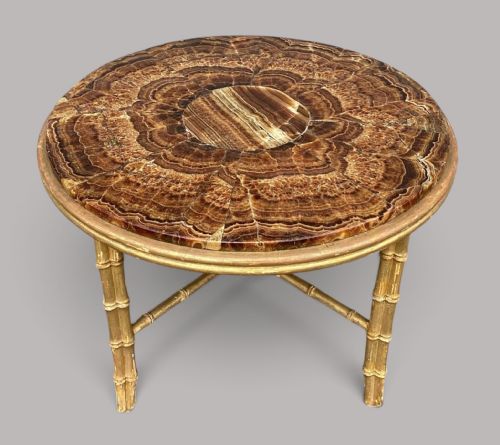
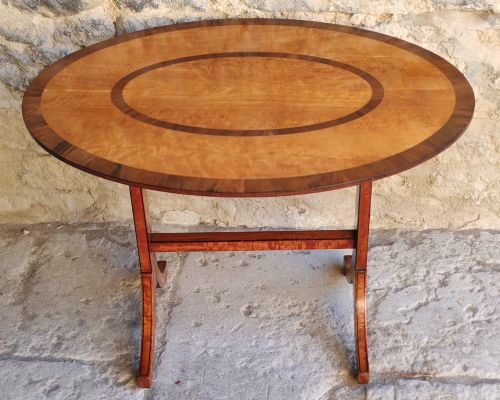
Makers utilised timber such as walnut, mahogany, oak, teak, and elm, often combined with brass, copper, or giltwood for decorative contrast. Surfaces display complex hand carving, intricate inlay work, or metal mounts reflecting both British traditions and revivalist tastes.
Construction methods rely on solid wood framing, dovetail joints, and turned or carved supports. Many pieces incorporate folding stands, removable trays, or tiered shelving designed for flexibility and transport.
Late Victorian Coffee Table Retail Price Guide 2026
Typical asking prices for late victorian coffee table among the pieces listed under this phrase on Sellingantiques today, from the lower quarter to the upper quarter. They describe what is for sale here now, not the wider market.
Listings incorporate diverse materials including giltwood, brass, copper, canvas, and leather alongside standard hardwoods like walnut and mahogany.
What separates the finest examples
Quality rests on the crispness of the carving, the selection of timber veneers, and the integrity of the original hardware. Superior specimens retain their untouched surface patination and authentic structural elements without heavy modern intervention.
The distinction also lies in the complexity of regional or stylistic expression, such as intricate Hoshiarpur inlay work or fine brass detailing, compared to utilitarian workshop output.
Liberty and Co·Gillows
The Late Victorian Coffee Table Glossary
- Occasional table
- A small, moveable table designed for specific, intermittent use around a room. These forms frequently serve as the basis for low coffee tables today.
- Butlers tray
- A removable wooden tray with hinged or panelled sides, originally used for serving and placed upon a folding wooden stand. They form distinctive low tables when paired with original bases.
- Mamluk revival
- A nineteenth-century design style drawing on medieval Islamic metalwork and architectural motifs from Egypt and Syria. Pieces in this taste often feature elaborate engraved brass tops.
- Quartetto nest
- A set of four graduating tables designed to slide neatly beneath one another. They demonstrate high-grade Victorian cabinet making and space-saving ingenuity.
Late Victorian Coffee Table: Frequently Asked Questions
Are these tables original low tables?
Many items sold as coffee tables began life as occasional tables, tray tables, or lower furniture forms like school desks and benches. Some retain their original height while others have been adapted over time.
Buyers should examine the proportions and leg construction to understand the piece's functional history and original purpose.
How do I identify Anglo-Indian pieces?
Anglo-Indian items from this period typically feature dense, intricate hand carving across woods like teak and hardwood. They often take an octagonal shape and incorporate inlaid geometric patterns.
These characteristics reflect British commission work executed by skilled traditional craftsmen in the Indian subcontinent.
What woods were commonly used?
Makers relied heavily on walnut and mahogany for formal domestic pieces, alongside oak for sturdier vernacular forms. Exotic hardwoods and teak appear frequently in imported colonial furniture.
Secondary woods and local timbers such as elm and beech support the internal framing and structural elements.
How do I care for a wood surface?
Maintenance requires regular dusting with a soft, dry cloth and avoiding placement near direct heat sources or strong sunlight. Wax finishes benefit from occasional application to nourish the grain and protect the patination.
Moisture and spills should be wiped away immediately to prevent staining the historic timber.