


Late Victorian Carpet
These late victorian carpet pieces are woven textiles originating from Persia, the Caucasus, Turkey and India, prized for bringing rich colour and pattern into a room.
Late Victorian Carpet
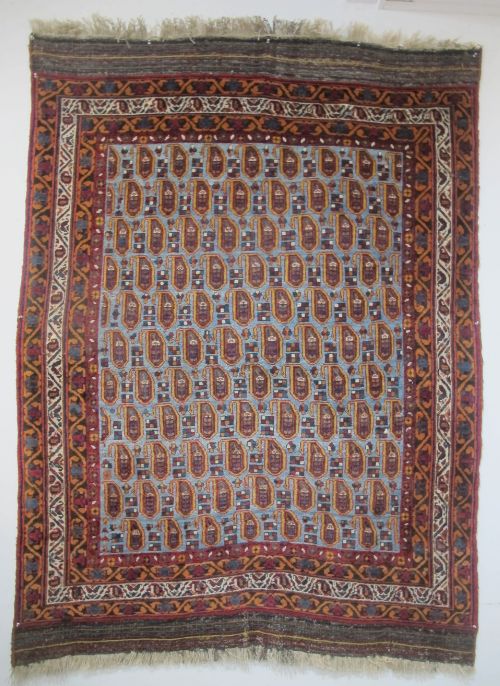
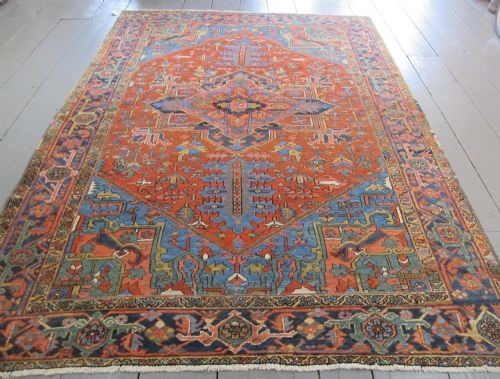
When someone searches for a late victorian carpet, they encounter room-sized floor coverings, runners and smaller prayer rugs originating predominantly from Persian weaving centres like Heriz, Sultanabad, Fereghan and Kerman. Alongside these Persian pieces, the selection includes Caucasian designs such as Kazak, Gendje and Shirvan rugs, as well as Turkoman, Anatolian Milas and Indian Agra productions.
The archive also records occasional upholstered seating utilising textile fragments from the same era, though woven floor coverings dominate the selection. Most examples date from the decades spanning the late nineteenth century, reflecting traditional tribal and workshop methods from distinct regional weaving cultures.
Buyers select these textiles to anchor period interiors with authentic hand-knotted structure and botanical or geometric motifs. The pieces range from large formats suited to principal reception spaces down to compact corridor runners and tribal formats.
How they were made
These carpets rely on wool and cotton foundations, utilising hand-spun wool for the pile where resilience was required. Weavers knotted the pile by hand onto warp and weft threads, securing the structure before finishing the ends.
Natural dyes provide the characteristic palette, yielding deep tones and nuanced variations across the surface. These organic colourants interact with the wool fibres over time, producing the gentle maturation observed in nineteenth-century textile production.
Several pieces feature scarce blue or yellow ground colours that break away from standard red palettes.
What varies in quality
Quality rests upon the fineness of the knotting and the crispness of the drawn design, which dictates how sharply the geometric or floral motifs resolve. Tighter foundation weaves create a denser pile that holds its definition through decades of use.
The choice and saturation of natural dyes distinguish finer examples, as does the balance of the composition across the field and border. Well-executed pieces display harmony in their secondary colours and proportional integrity within the medallion or all-over repeat.
The Late Victorian Carpet Glossary
- Warp
- The vertical threads stretched lengthwise on a loom that form the foundational skeleton of the rug. Fringe ends typically consist of these exposed threads.
- Weft
- The horizontal strands passed across the warp threads between rows of knots to bind the structure together. This material determines the firmness of the rug body.
- Pile
- The upright yarn surface formed by individual knots sheared to a uniform height. This layer receives the physical wear on the floor.
- Prayer rug
- A small format textile featuring a mihrab or niche design historically oriented toward Mecca during daily devotions. These pieces often serve as decorative wall hangings or bedside rugs today.
- Runner
- A long, narrow carpet format designed for corridors, hallways and staircases. Their proportions accommodate passage spaces while displaying repeating border and field patterns.
Late Victorian Carpet: Frequently Asked Questions
Where were these carpets made?
The pieces originate primarily from traditional weaving centres across Persia, the Caucasus, Anatolia and India. Each region developed distinct stylistic signatures, from the bold geometric structures of Caucasian workshops to the sophisticated botanical arrangements of Persian urban manufactories.
Weavers in tribal confederations and village communities also produced smaller formats and runners using local materials and inherited motifs. This geographic diversity ensures distinct visual traditions within the category.
How do I care for a nineteenth-century carpet?
Protect the textile by placing a breathable rug underlay beneath it to prevent slipping and reduce friction against the floorboards. Vacuum gently with suction only, avoiding beater bars that can catch hand-spun pile and weaken the foundation threads.
Rotate the rug periodically to distribute foot traffic and sunlight exposure evenly across the surface. Professional cleaning by a specialist in antique textiles is recommended when deep maintenance becomes necessary.
How do I tell Persian styles apart?
Persian carpets are identified by their regional drawing styles, palette choices and structural characteristics. Heriz and Serapi carpets typically display bold geometric medallions and strong corner spandrels, whereas Fereghan and Sultanabad pieces lean toward sophisticated all-over botanical patterns.
Kerman pieces often incorporate intricate millefleurs designs with fine floral sprays. Comparing the border arrangements and secondary motifs helps pinpoint the specific weaving origin.
Can I use these rugs in high traffic areas?
Hand-knotted wool carpets from this period were built for enduring utility and handle domestic movement well when given appropriate support. Placing them in hallways or living spaces adds authentic character while benefiting from the durability of natural wool pile.
Heavily trafficked zones simply require careful placement and an adequate underlay to cushion the foundation. Regular rotation ensures that wear distributes evenly across the entire surface over the years.