





Late Victorian Book Stand
These late victorian book stand pieces are practical pieces of furniture designed to keep volumes within arm's reach.
Late Victorian Book Stand
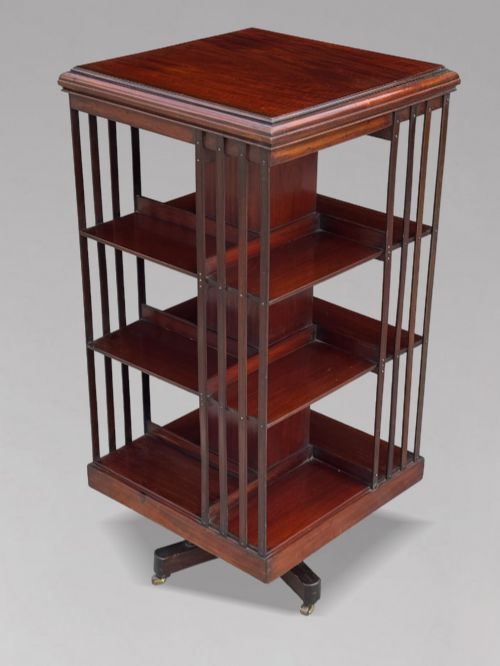
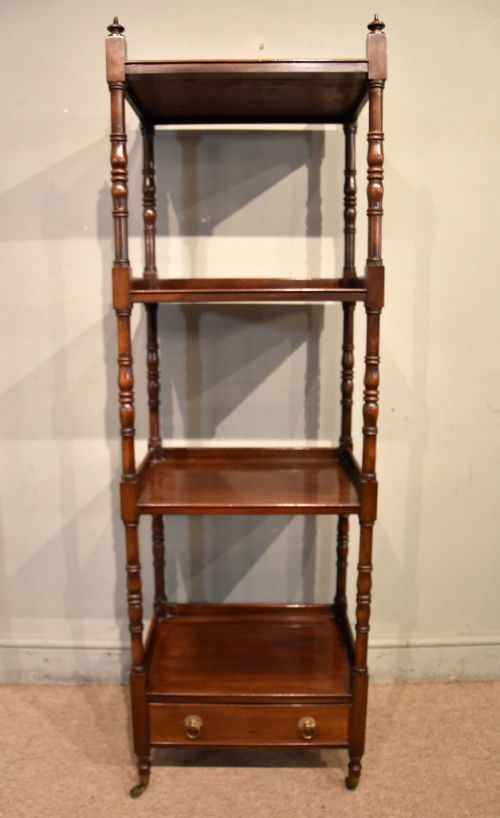
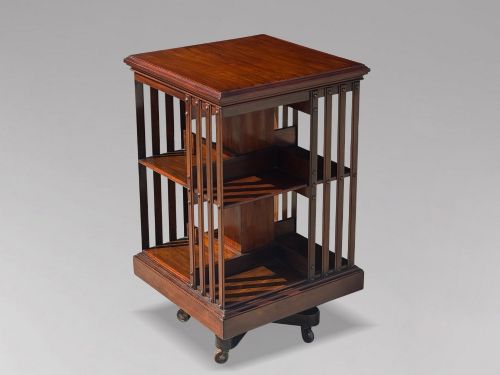
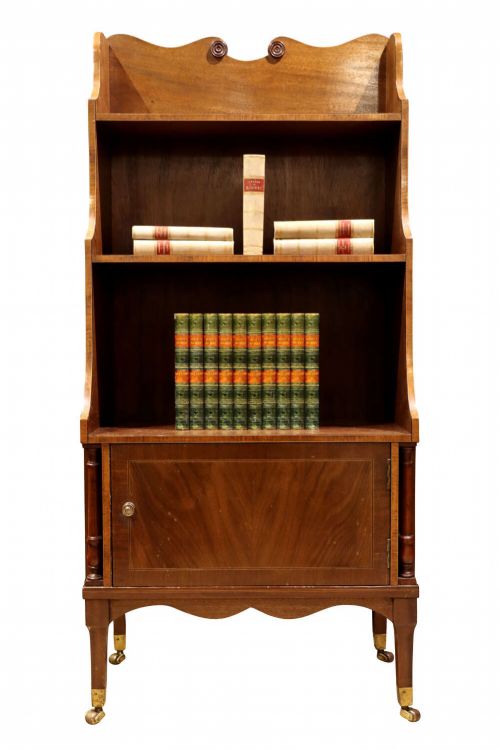
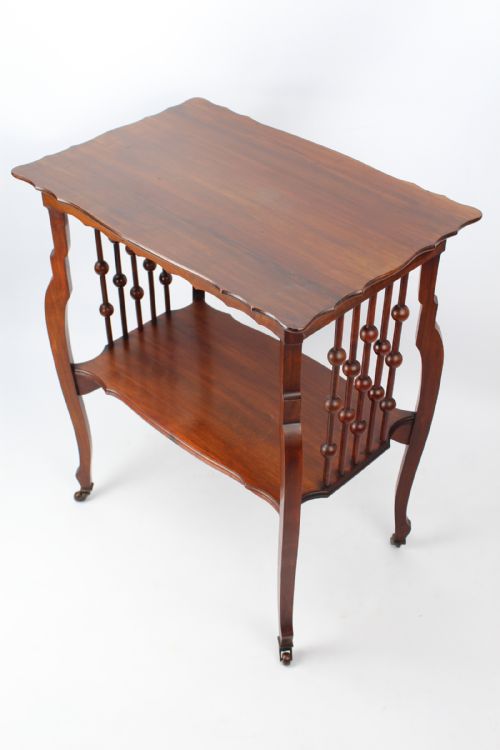
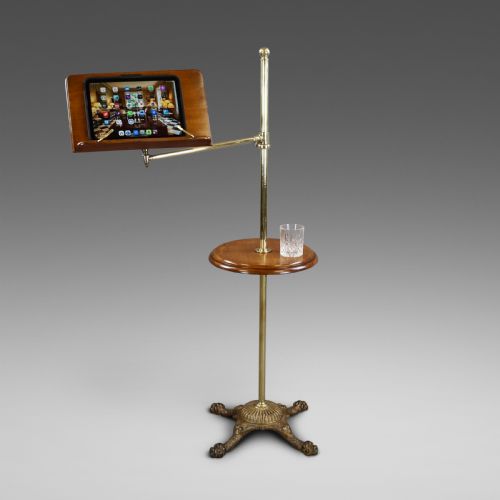
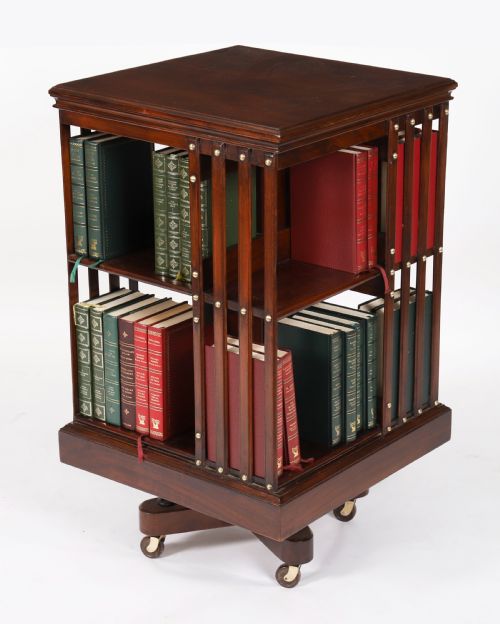
A late victorian book stand serves the practical purpose of holding volumes in studies, libraries and sitting rooms. Buyers searching for a late victorian book stand will encounter various forms, including revolving variants, static tables, waterfalls and tiered whatnots.
Mahogany predominates among the surviving pieces, often accompanied by walnut, satinwood, pine and brass or cast iron details. These items emerge from the nineteenth century, carrying the stylistic influence of the Arts and Crafts movement, Gothic Revival and Sheraton Revival alongside mainstream Victorian design.
How They Were Made
Cabinet makers utilised dense hardwoods such as mahogany and walnut for structural stability, frequently employing satinwood for decorative inlay and contrast. Brass components appeared in castors and mounts, whilst cast iron provided weighted support for adjustable reading stands and revolving mechanisms.
Construction techniques combined traditional joinery with emerging production methods of the late nineteenth century. Glazed doors, tiered shelving and painted surfaces required specialised carpentry skills, ensuring durability alongside decorative appeal.
Some revolving bookcases turn so smoothly they can spin a heavy volume into your lap with a single gentle nudge.
What Varies in Quality
The selection of timber dictates the visual weight and longevity of the piece, with figured mahogany and finely grained walnut occupying the higher tier. Superior examples display precise inlay work, such as satinwood banding, rather than purely functional joints and plain surfaces.
Mechanical elements differentiate standard items from exceptional ones, particularly in revolving bookcases and reading tables. Smooth movement in the rotating mechanism and solid brass castors indicate careful assembly by skilled makers.
Maple & Co·Leonard Wyburd For Liberty & Co
The Late Victorian Book Stand Glossary
- Revolving bookcase
- A freestanding tiered bookcase designed to rotate on a central spindle for easy access to books from any angle.
- Waterfall bookcase
- A set of open shelves where each tier steps back from the one below, creating a cascading profile.
- Whatnot
- A piece of open shelving with multiple tiers used for displaying books and ornaments.
- Satinwood
- A durable hardwood with a lustrous yellow or golden sheen, frequently utilised for decorative stringing and inlay.
- Book slide
- An adjustable desk accessory designed to hold a row of books upright between two expanding ends.
Late Victorian Book Stand: Frequently Asked Questions
How were these stands used originally?
Households placed these stands beside armchairs, on desks, or within libraries to keep frequently read volumes close at hand. Revolving models allowed readers to browse multiple titles without changing position.
Larger tiered versions served the dual purpose of storing reference books and displaying decorative ornaments.
What materials are common in these pieces?
Mahogany is the primary wood found across these listings, accompanied by walnut, satinwood and pine. Metal elements such as brass castors and cast iron mechanisms appear frequently to aid mobility and function.
Glass panels are also present on enclosed bookcase variants from the same period.
How do I identify the style?
Style identification relies on examining the decorative motifs and structural forms present in the woodwork. Pieces influenced by the Arts and Crafts movement emphasise honest construction and simpler lines, whilst Sheraton Revival items feature delicate satinwood inlay.
Victorian Gothic Revival examples introduce pointed arches and heavier proportions.
Where should I place a book stand?
These versatile stands fit comfortably beside seating areas in a living room or study to hold current reading material. Revolving variants work well positioned near the centre of a room where access from all sides is practical.
Smaller desk stands sit securely on top of tables or bureaus.