





Late Victorian Bedroom Seat
A late victorian bedroom seat brings domestic comfort and period character to a dressing room or parlour.
Late Victorian Bedroom Seat
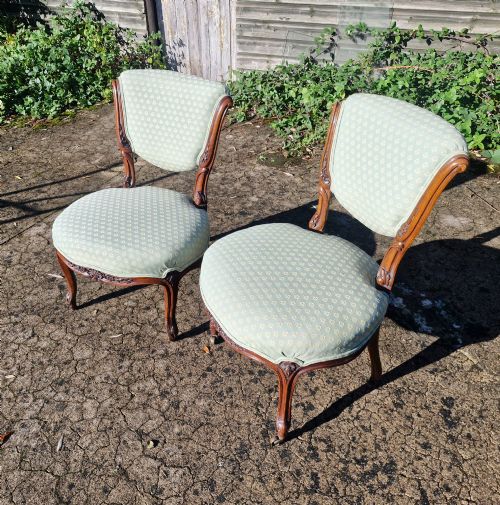
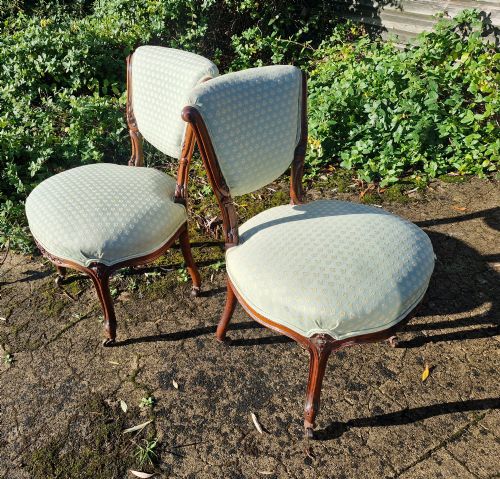
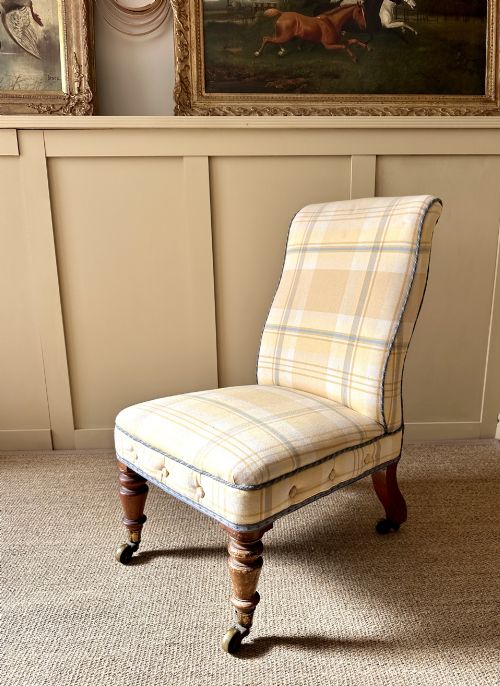
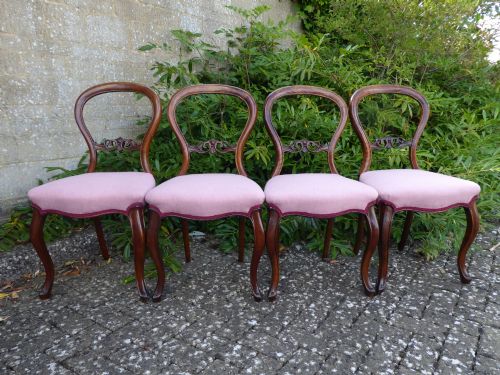
A late victorian bedroom seat encompasses low-slung nursing chairs, upholstered stools, and window benches designed for private chambers. These pieces span the late nineteenth century into the early twentieth century, carrying the decorative traits of the Victorian, Edwardian, and Aesthetic Movement eras.
How they were made
Makers shaped these frames from solid timbers including mahogany, walnut, satinwood, and ebonised wood, sometimes incorporating turned brass or faux bamboo details. Construction relied on traditional joinery methods to support daily use in domestic spaces.
Upholstery involved hand-stitched foundations finished with fabrics such as velvet or specialist prints like Robert Kime textiles, paired occasionally with cane or needlework covers.
Late Victorian Bedroom Seat Retail Price Guide 2026
Typical asking prices for late victorian bedroom seat among the pieces listed under this phrase on Sellingantiques today, from the lower quarter to the upper quarter. They describe what is for sale here now, not the wider market.
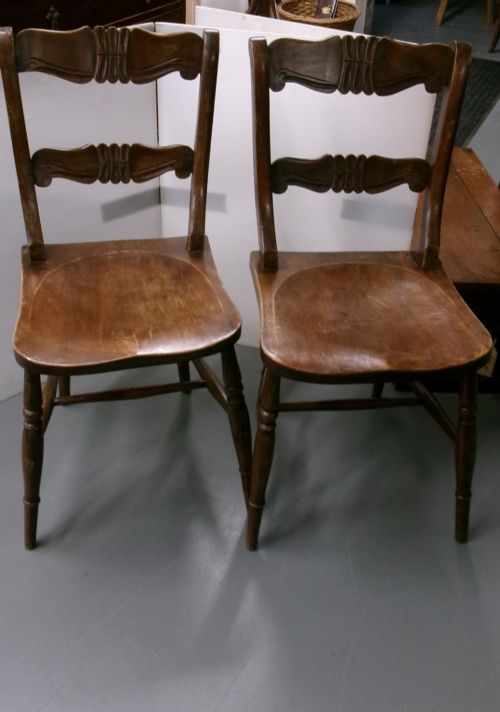
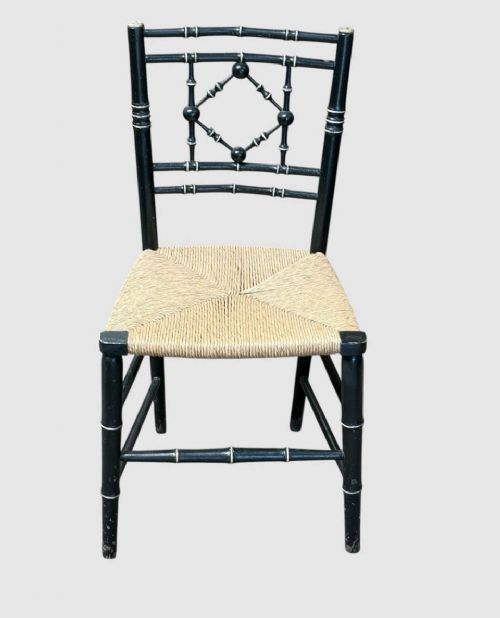
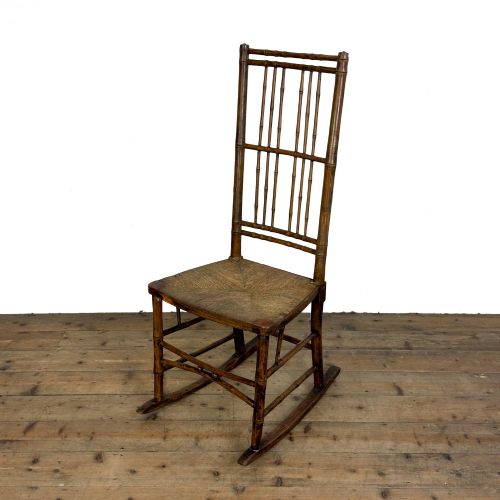
Some chairs sport faux bamboo frames, proving Victorians loved an inventive bit of botanical mimicry.
What varies in quality
The distinction between ordinary and exceptional pieces rests in the sharpness of hand-carved details and the selection of timber veneers. Subtle refinements in the turning of wooden legs and the proportion of the frame elevate certain examples above standard production.
Quality also shows in the integrity of the underlying frame construction and the fidelity of subsequent reupholstery using historically appropriate materials and techniques.
The Late Victorian Bedroom Seat Glossary
- Nursing chair
- A low-seated chair traditionally designed for comfort in a bedroom or nursery. These pieces feature short legs and supportive upholstered backs.
- Window seat
- A long bench or stool built to sit beneath a window recess. They often utilise extended wooden frames and upholstered tops.
- Aesthetic Movement
- A late nineteenth-century design style emphasising visual beauty over narrative subject matter. Pieces from this movement often display simplified structural lines or stylised natural motifs.
- Ebonised wood
- Timber treated with a dark finish to imitate expensive ebony. This technique was popular for decorative framing on late nineteenth-century chairs.
- Pierced splat
- A vertical central strip of wood within a chair back that has been pierced with an openwork design. It lightens the visual weight of the timber.
Late Victorian Bedroom Seat: Frequently Asked Questions
Where should I place a bedroom seat?
These compact pieces fit naturally at the foot of a bed, beneath a dressing table, or beside a window.
Their restrained proportions allow them to occupy small spaces without overwhelming a room.
How do I identify late Victorian furniture?
Look for a combination of traditional timber frames like mahogany or walnut paired with stylistic cues from the late nineteenth century. Details such as turned legs and upholstered pads help anchor the date.
Maker methods and material choices typically reflect the industrial and aesthetic shifts of the period between eighteen eighty and nineteen hundred.
Are these seats comfortable for daily use?
Many examples are designed with low seats and upholstered backs specifically intended for relaxation in private rooms.
The level of comfort often depends on the condition of the internal padding and the firmness of the upholstery.
Can I mix these chairs with modern decor?
The clean lines of many late nineteenth-century stools and side chairs allow them to blend easily into contemporary interiors.
Contrasting period woodwork against plain modern walls highlights the craftsmanship of the timber.