

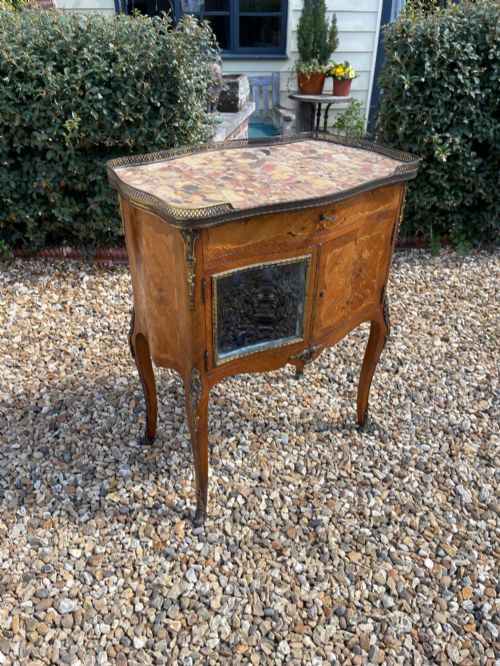


Late Nineteenth Century Table
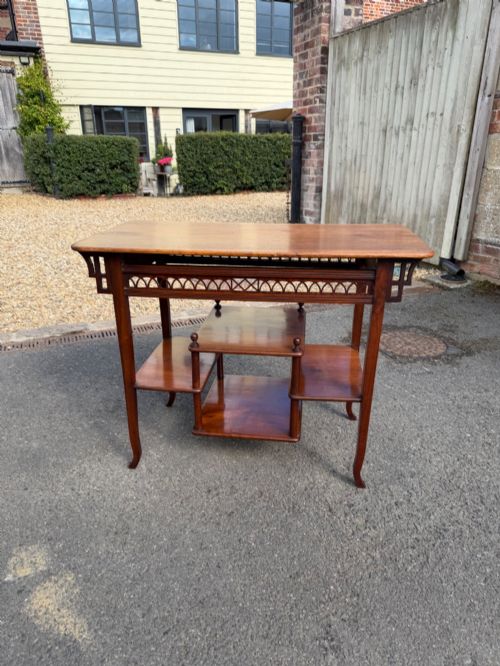
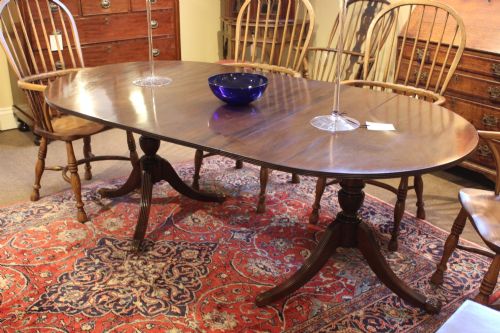
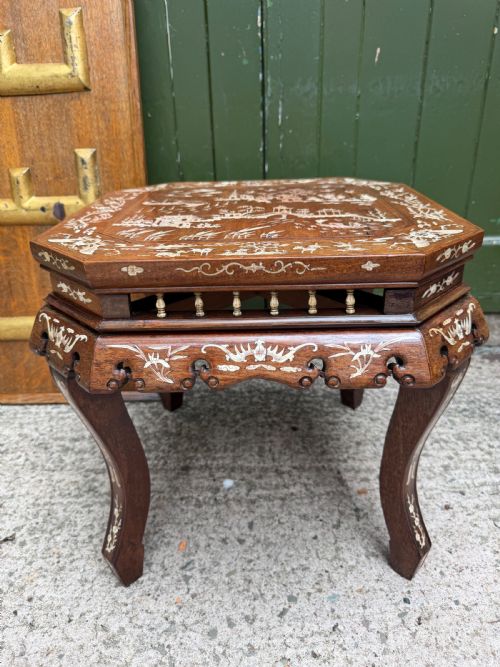
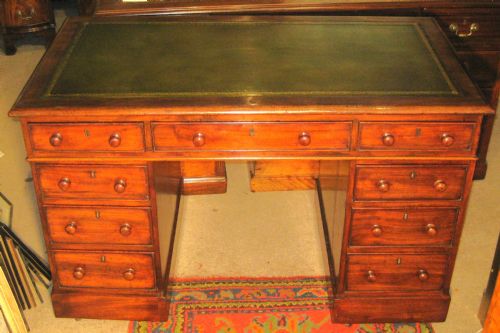
A late nineteenth century table brings robust craftsmanship and varied timber choices into a room, offering both practical surface area and historic character.
Late Nineteenth Century Table
A late nineteenth century table encompasses a diverse array of forms, ranging from occasional tables and side tables to large dining tables, desks, and plant stands. The period draws heavily from Victorian, Regency, and Aesthetic movement styles, alongside French Rococo and Louis XVI revivals.
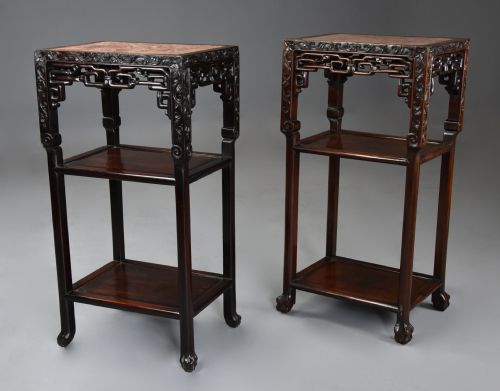
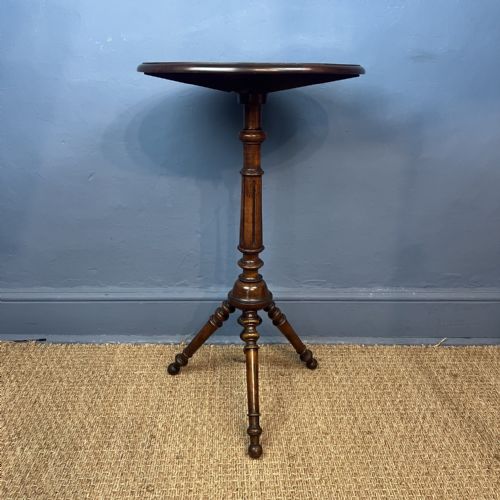
The materials span mahogany, walnut, rosewood, and hardwood, frequently augmented by brass, marble, leather, and enamel details. Buyers encounter everything from bamboo occasional tables and gypsy tripod tables to substantial pedestal desks and multi-tiered Chinese hardwood stands.
Originating predominantly from British, French, and Chinese workshops, these pieces reflect the eclectic design tastes of the era. Whether selecting a card table, a library table, or a simple wine table, the selection demonstrates the period's versatility in domestic furnishing.
Materials and technique
Makers utilised dense timbers such as mahogany, walnut, and rosewood, often building solid frames or applying fine veneers and marquetry inlay. Hardwoods like padouk and bamboo also appear, shaped through traditional joinery and turning techniques.
Surface embellishments included leather desk inserts, marble tops, enamel details, and brass mounts, reflecting both utilitarian function and decorative ambition. French pieces frequently integrated satinwood stringing and gilt-bronze accents to achieve a polished finish.
Structural integrity relied on sturdy pedestal bases, spindle turnings, and multi-tier framing, ensuring that tables designed for dining, writing, or display could withstand daily domestic use.
The periods represented span from the Georgian era through Regency and Victorian times up to the dawn of the twentieth century.
Assessing the pieces
Proportion and decorative restraint dictate the appeal of individual examples. Well-balanced forms with original hardware and integrated details like marble inserts or finely turned spindle bases hold greater visual coherence.
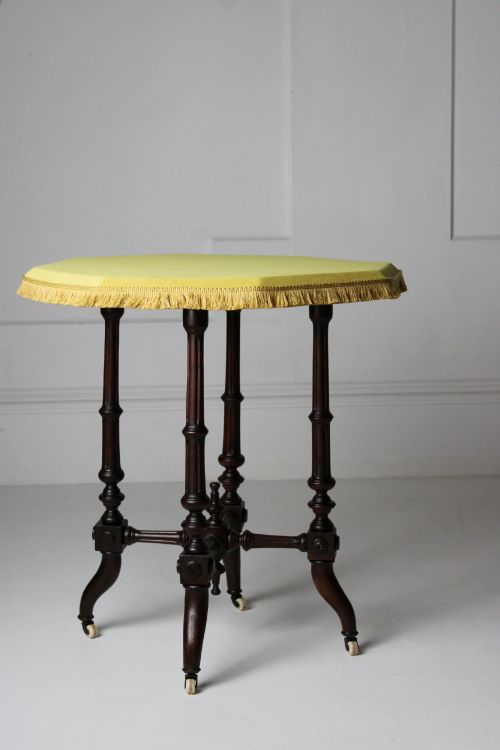
The sophistication of the stylistic revival - whether drawing on French Rococo, Aesthetic movement ebonising, or Qing Dynasty carving - shapes the character of the piece. Superior examples exhibit harmonious material combinations without excessive ornamentation.
Gillows·Thomas Myers of Gillows·Zwiener Jansen Sucesseur·Callaghan & Co of London
The Late Nineteenth Century Table Glossary
- Marquetry
- Decorative inlay using thin slices of wood or other materials to form pictorial patterns on a surface. This technique was frequently employed on French writing desks and tables.
- Pedestal desk
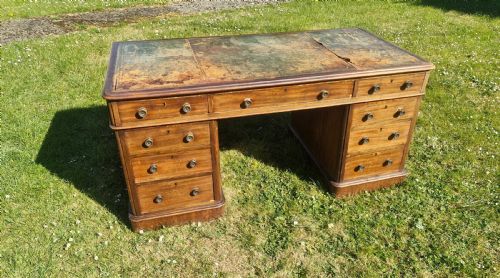
- A flat-topped writing table supported by two pedestals containing drawers. These items often feature mahogany construction and leather writing surfaces.
- Occasional table
- A small, versatile table intended for light, intermittent use around a room. Examples from the period include bamboo designs and circular tripod bases.
- Guéridon
- A small French table supported by a central column or figures. These typically feature marble tops and gilt-bronze mounts.
- Sutherland table
- A narrow drop-leaf table with hinged flaps that fold down vertically. They are designed to occupy minimal space when closed.
Late Nineteenth Century Table: Frequently Asked Questions
Where were these tables placed?
These tables served various domestic functions depending on their form, ranging from central placement in libraries to side positioning in drawing rooms.
Smaller pieces like wine tables and plant stands occupied corners or sat beside seating, while dining tables and pedestal desks anchored larger reception spaces.
How do I care for timber surfaces?
Maintaining these surfaces requires keeping them away from direct heat sources and strong sunlight to prevent the timber from drying out.
Regular dusting with a dry cloth and occasional application of appropriate wax help preserve the finish of mahogany, walnut, and rosewood.
What defines an Aesthetic movement table?
Aesthetic movement pieces emphasise artistic design and craftsmanship over strict historical revival, often incorporating ebonised finishes or simple geometric lines.
These tables reflect late nineteenth-century ideals that prioritized visual harmony and Japanese-influenced minimalism within domestic interiors.
How are French and English styles different?
French examples from this era frequently showcase marquetry inlay, gilt-bronze mounts, and exotic woods like kingwood in revival styles.
English pieces tend to focus on structural timber integrity, utilising solid mahogany, oak, or walnut with more restrained decorative accents.