






Late Georgian Nightstand
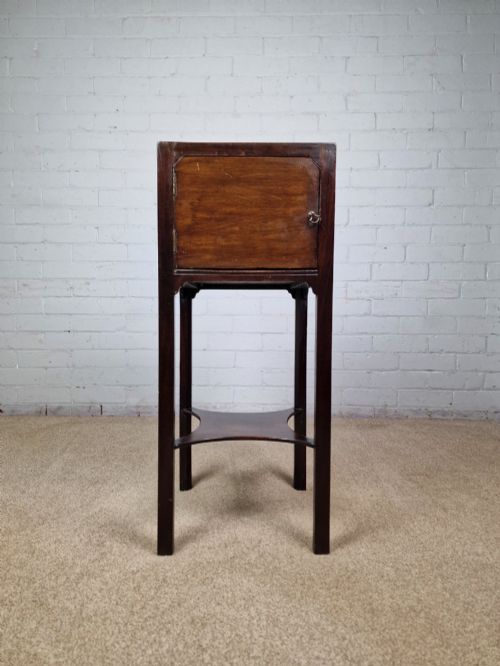
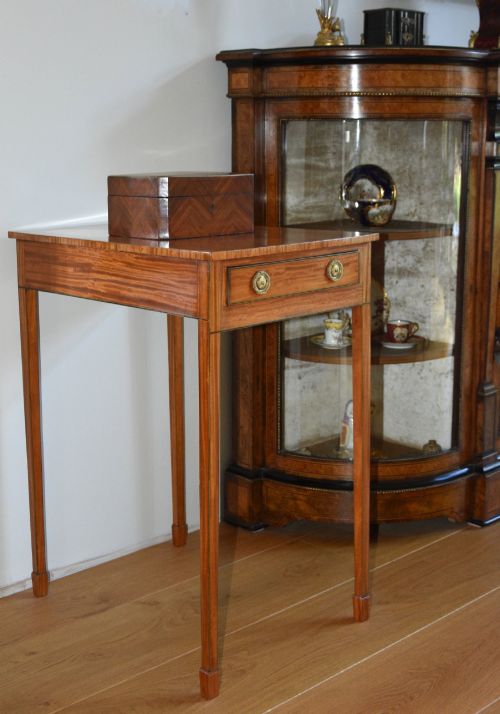
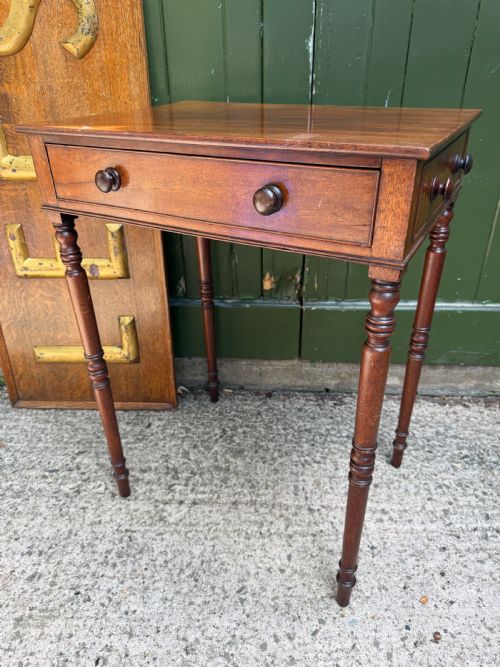
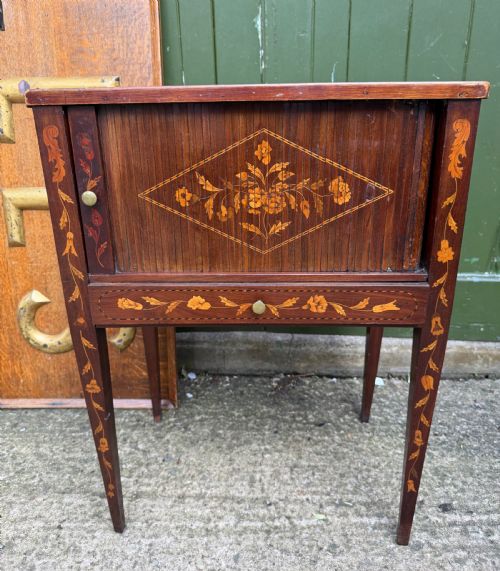
A late georgian nightstand brings solid mahogany timber, satinwood, and subtle marquetry inlay into the bedroom as practical furniture from around eighteen hundred.
Late Georgian Nightstand
When you search for a late georgian nightstand, you are looking at compact wooden tables and bedside cupboards made during the Georgian and late George III periods, around the turn of the nineteenth century. These pieces include bedside tables, commodes, and occasional lamp tables designed for domestic utility in bedrooms and private chambers.
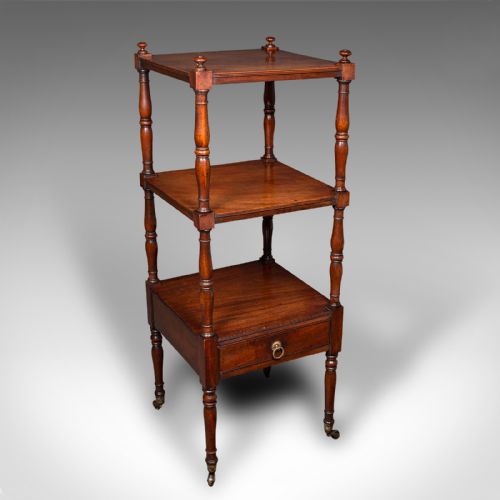
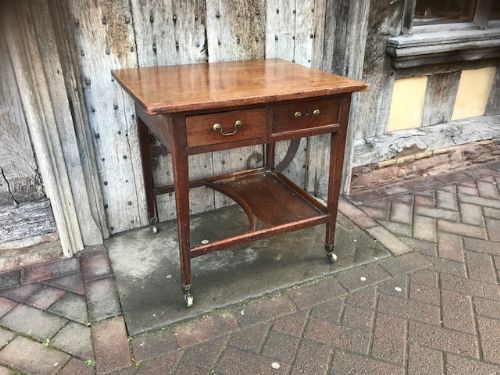
The versions you are most likely to meet on this page span side tables, work tables, and multi-tiered display stands fashioned from mahogany and fruitwood. They capture the restrained elegance and functional design characteristic of the era spanning the late eighteenth and early nineteenth centuries.
How they were made
Cabinet makers utilised dense timber such as mahogany and flame mahogany veneer, often constructing freestanding forms that showed finished woodwork on all sides. Satinwood and boxwood provided contrasting stringing and geometric details, while bone occasionally appeared in small decorative elements.
Marquetry techniques added floral inlay to mahogany surfaces, combining skilled joinery with decorative surface work. Brass fittings served structural and decorative roles on drawers and cupboards, securing handles and hinges with precision.
Listings here feature mahogany, satinwood, boxwood, and fruitwood across the Georgian and 1800 periods.
What varies in quality
The standard of timber selection divides standard examples from superior ones, with richly figured flame mahogany veneer and carefully matched satinwood grain marking out better pieces. The finesse of the drawing and proportions determines how successfully a piece balances utility with elegance.
The precision of inlay work and the retention of original brass hardware indicate the care taken during construction. Freestanding forms with finished backs and refined marquetry reflect a higher tier of workshop production than simpler utilitarian bedside commodes.
The Late Georgian Nightstand Glossary
- Nightstand
- A small bedside table or cupboard designed to hold items near a bed. These pieces often feature enclosed storage or open tiers.
- Marquetry
- A decorative technique applying pieces of veneer to a structure to form floral or geometric patterns. This method enhances timber surfaces with contrasting woods like satinwood and boxwood.
- Pembroke table
- A small occasional table with hinged drop leaves on two opposing sides. These versatile tables date frequently to the eighteenth century.
- Flame mahogany veneer
- A sliced layer of timber cut from mahogany showing a distinctive flickering flame pattern. Cabinet makers applied this to primary surfaces for visual depth.
- Whatnot
- A set of open shelves standing on upright supports for displaying small objects. These tiered stands date to the late Georgian period.
Late Georgian Nightstand: Frequently Asked Questions
What is a late georgian nightstand?
A late georgian nightstand is a small wooden table or bedside cupboard produced around eighteen hundred during the George III and late Georgian eras.
These pieces were constructed to hold chamber items and personal belongings beside a bed, utilising mahogany, satinwood, and fruitwood.
How do I identify a late georgian piece?
Identification relies on observing timber choices like solid mahogany and flame mahogany veneer combined with period construction methods.
Details such as brass hardware, boxwood stringing, and proportions typical of work tables and bedside commodes help confirm the date.
Where were nightstands used?
These tables stood primarily in bedrooms and private chambers to support lamps, night-lights, and personal items.
Their compact footprints and functional forms suited the domestic interiors of the late eighteenth and early nineteenth centuries.
What woods are common?
Mahogany forms the primary structure for the majority of pieces, appearing in both solid boards and flame veneer.
Satinwood, boxwood, and fruitwood are utilised for contrasting inlay, stringing, and marquetry details.
Are these tables freestanding?
Many examples feature finished timber on all sides, allowing them to stand away from walls within a room.
Freestanding lamp tables and occasional tables demonstrate finished joinery designed to be viewed from any angle.