



Late 19thc Bronze
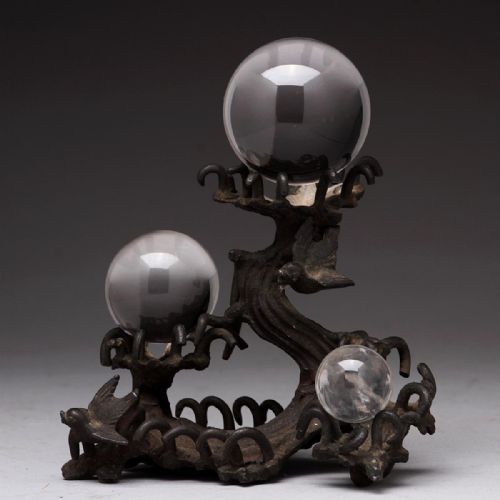
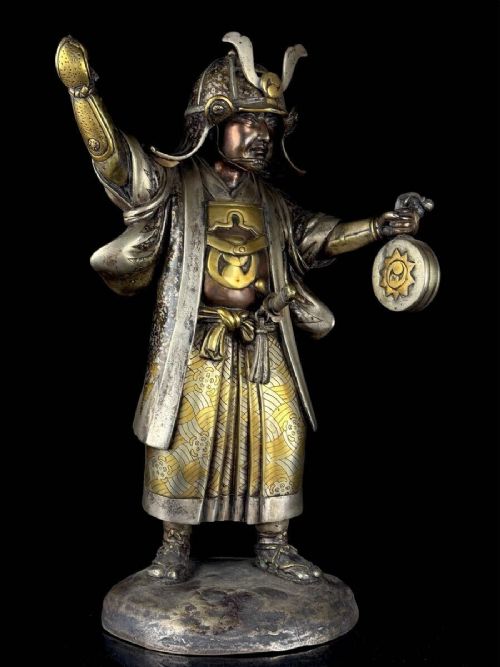
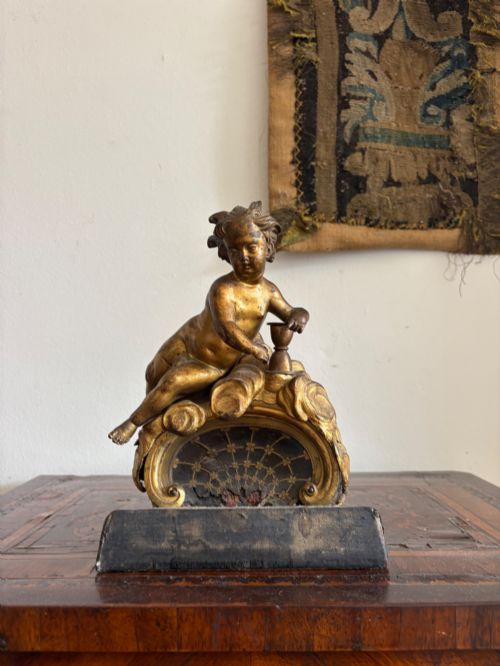
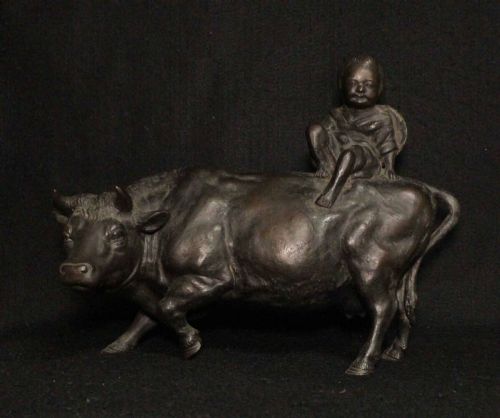
Late 19thc bronze objects span French gilt domestic pieces, Grand Tour figures and Japanese Meiji works crafted to sit on desks and tables.
Late 19thc Bronze
When you search for late 19thc bronze, you encounter a diverse range of decorative and functional objects originating primarily from European and Japanese workshops. These pieces reflect the eclectic taste of the period, spanning from classical revivals to Meiji period artistry.
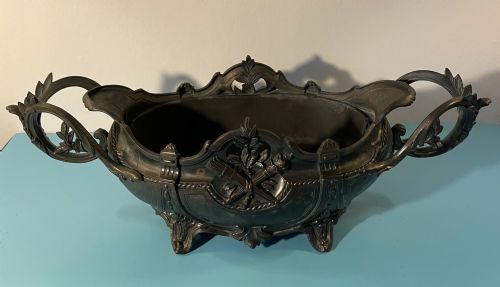
You are most likely to meet French ormolu and gilt bronze items on this page, such as photo frames, jardinieres, vide poches and centrepiece vases. Alongside these decorative domestic accessories, figurative sculptures and animalier groups form a prominent part of the selection.
How they were made
These works rely on traditional metal-working methods, utilising bronze, brass and spelter cast into intricate forms. Cold patination and mercury gilding, often described as ormolu, provide the rich surface finishes seen on French revival mounts and ornaments.
Many items combine metal with other luxury materials such as crystal, mahogany, satinwood, rosewood, onyx and blue glass. This multi-media construction demands precise fitting between the cast metal mounts and the underlying timber, stone or glass bodies.
Late 19thc Bronze Retail Price Guide 2026
Typical asking prices for late 19thc bronze among the pieces listed under this phrase on Sellingantiques today, from the lower quarter to the upper quarter. They describe what is for sale here now, not the wider market.
Listings feature items in Gilt Bronze, Ormolu, Spelter, Brass, and Patinated Bronze across periods from 1800 to 1920.
What varies in quality
The standard of chasing and finishing on the metal surface separates superior castings from standard commercial output. Crisp detail in hair, drapery and foliate scrolls indicates a skilled hand working the metal after it leaves the sand or lost-wax mould.
Weight and rigidity also distinguish better objects, particularly in larger groups, columns and furniture mounts. Heavier gauge metal and secure construction prevent distortion and ensure that gilding or patination remains even across complex relief work.
Augusto Rivalta
The Late 19thc Bronze Glossary
- Ormolu
- Gilded bronze produced by applying a mixture of mercury and gold to a base metal, then firing it to drive off the mercury. This technique creates a distinctive warm yellow lustre common on French decorative items.
- Patinated bronze
- Metal treated with chemical solutions to produce a controlled surface colour, ranging from dark brown to green. It highlights sculptural detail by creating contrast in recesses.
- Spelter
- An alloy based on zinc, often used as a less expensive alternative to bronze during the period. It takes patination and paint well but is softer and lighter than genuine copper alloys.
- Vide poche
- A small tray or dish designed for emptying pockets of coins and keys at the end of the day. They frequently feature elaborate gilt bronze mounts and crystal or porcelain bodies.
Late 19thc Bronze: Frequently Asked Questions
How do I clean a bronze sculpture?
Dust the surface gently with a soft, dry brush to remove particles that settle in the crevices. Avoid using water, soap or commercial metal polishes, which can strip the original patination.
Applying a very light coat of microcrystalline wax helps protect the metal from atmospheric moisture. Buff the wax off thoroughly with a clean cloth to maintain a soft sheen.
What is the difference between bronze and spelter?
Bronze is a durable copper alloy that takes fine chisel work and holds crisp details across centuries. Spelter is a softer, zinc-based metal that feels lighter and often shows casting seams more readily.
Items made of spelter generally rely on surface paint or patination to imitate genuine bronze. Checking the underside or a concealed area often reveals the paler grey metal beneath.
How do I identify French ormolu?
French ormolu exhibits a deep, golden hue resulting from historical mercury gilding techniques applied to bronze bases. The finish adheres closely to the metal without the bright, brassy shine typical of later electroplate.
Close inspection under magnification reveals tiny pores where the gold amalgamated with the copper alloy. The gilding is thickest on high points and softer in protected recesses.
Where were these decorative items placed?
Objects such as vide poches, photo frames and small bronzes were designed for domestic display on mantelpieces, writing desks and side tables. Larger items like torchere columns and jardinieres anchored the corners of formal reception rooms.
Many pieces served a dual decorative and utilitarian purpose within the Victorian interior. Desk accessories and curtain tie backs integrated luxury materials into daily household routines.