



Late 19th Century Vanity
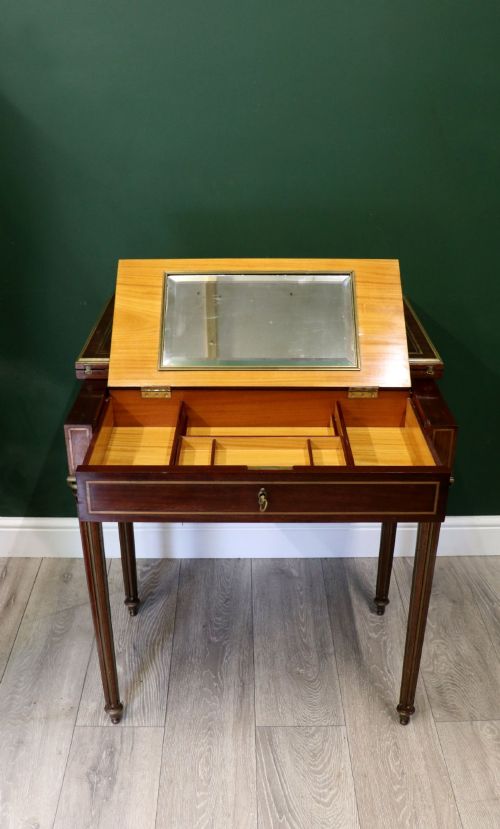
Late 19th century vanity pieces bring together brass, mahogany and marble to complete a dressing room with period character.
Late 19th Century Vanity
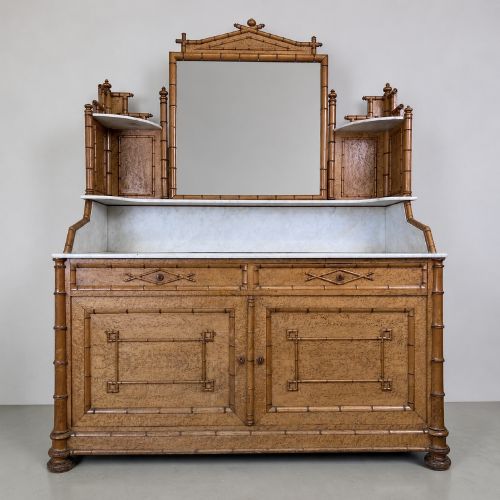
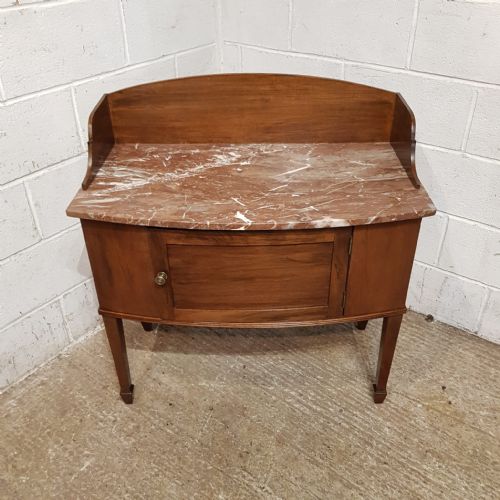
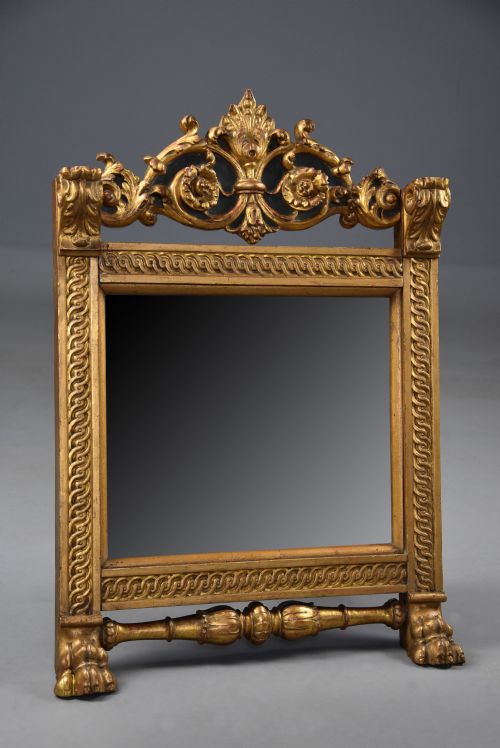
A late 19th century vanity encompasses a diverse group of furnishings designed for personal grooming and dressing, ranging from large mahogany dressing tables and marble-topped washstands to compact tabletop mirrors. Buyers searching this phrase meet items spanning the Victorian era into the turn of the twentieth century, with distinct French and English regional characteristics.
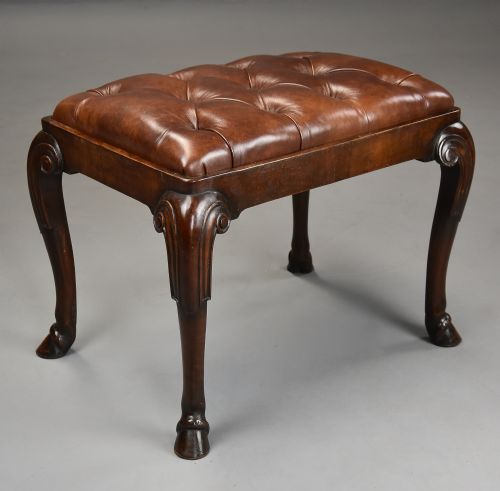
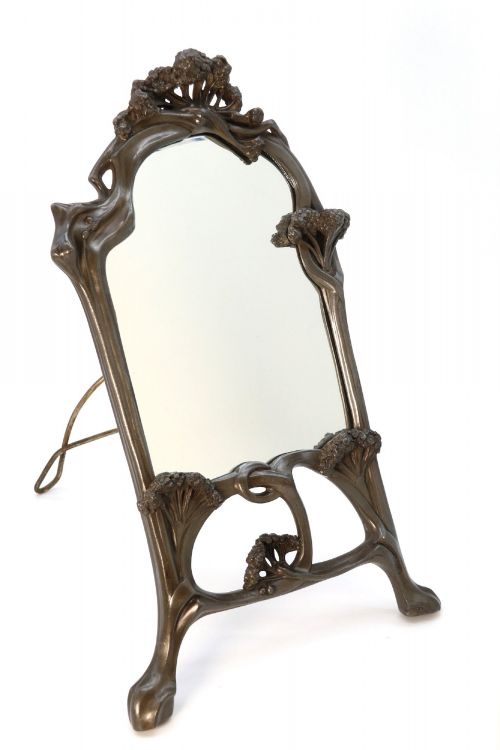
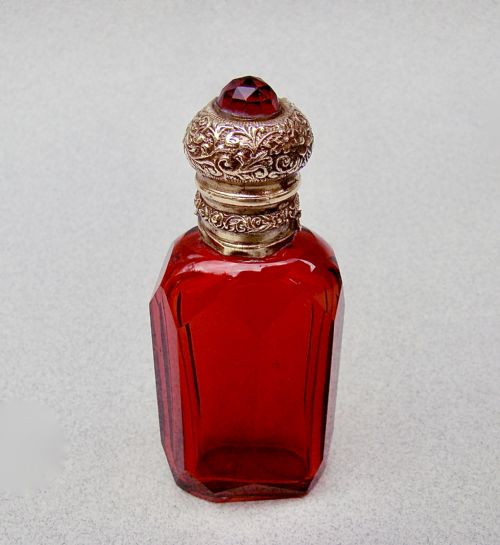
The objects take many functional shapes, including kidney-shaped dressing tables, poudreuses, jewellery boxes, scent bottles, and supportive seating such as cabriole leg stools and slipper chairs. Pieces originate from diverse stylistic movements including Art Nouveau, Chinoiserie, and the French Napoleon III period, reflecting the eclectic tastes of the era.
Materials and Construction
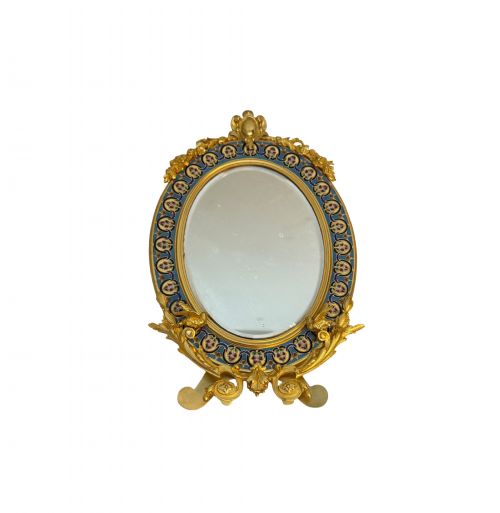
Craftsmen built these pieces using dense timbers such as mahogany, walnut, rosewood, and bird's-eye maple, often incorporating decorative techniques like marquetry, faux-bamboo turning, and lacquered Chinoiserie finishes. Structural elements frequently integrate brass, gilt bronze, champleve enamel, and carved giltwood.
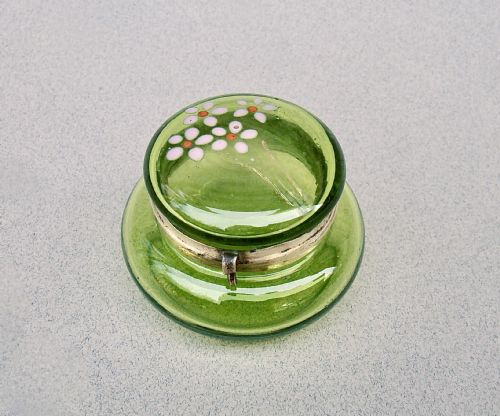
Mirrors and washing areas utilise bevelled glass, marble tops, and ceramic components, while smaller containers and boxes rely on precision brass binding and hand-painted glass. Upholstered seating employs traditional textiles like cream damask set upon carved hardwood frames.
Late 19th Century Vanity Retail Price Guide 2026
Typical asking prices for late 19th century vanity among the pieces listed under this phrase on Sellingantiques today, from the lower quarter to the upper quarter. They describe what is for sale here now, not the wider market.
Gentlemen also indulged, as evidenced by fully kitted travel boxes designed to keep shaving gear secure on the move.
Evaluating Execution
Quality rests upon the depth of hand-carving in wood or giltwood frames and the precision of brass or ormolu mounts fitted to boxes and mirrors. Finer examples display meticulous attention to detail in marquetry patterns and the clarity of bevelled glass.
The selection of primary timbers, such as figured walnut or coromandel over standard painted surfaces, distinguishes standard utility pieces from higher-grade cabinetmaking. Superior items maintain integrity across structural joints and decorative metalwork alike.
Louis Auguste Moreau·Gillows
The Late 19th Century Vanity Glossary
- Poudreuse
- A French dressing table equipped with folding lids and internal compartments for cosmetics and powder.
- Champleve
- An enamelling technique where trenches are gouged into metal and filled with vitreous paste before firing.
- Washstand
- A wooden or bamboo piece of furniture designed to hold a basin and jug for morning ablutions.
- Ormolu
- Gilded bronze mounts applied to furniture, mirrors, and decorative boxes during the period.
- Cabriole
- A furniture leg that curves outward and then tapers inward, popular in revival styles.
Late 19th Century Vanity: Frequently Asked Questions
What defines a late 19th century vanity?
These items comprise furniture and accessories created for grooming, dressing, and personal storage during the late Victorian and Edwardian decades. They include everything from large dressing tables and washstands down to portable travelling boxes and tabletop mirrors.
Materials range widely from solid mahogany and walnut to decorative brass, glass, and marble tops. The overarching aesthetic embraces revival styles and continental movements like Art Nouveau and Napoleon III.
How were washstands used?
Washstands served as the primary washing station in bedrooms before modern indoor plumbing became standard practice. They typically held a ceramic basin and water jug on top of a protective marble surface.
Lower shelves or enclosed cupboards provided storage for chamber pots, soap dishes, and water pitchers. Many versions utilised faux-bamboo or mahogany frames to match the other bedroom furnishings.
Where should I place a dressing table?
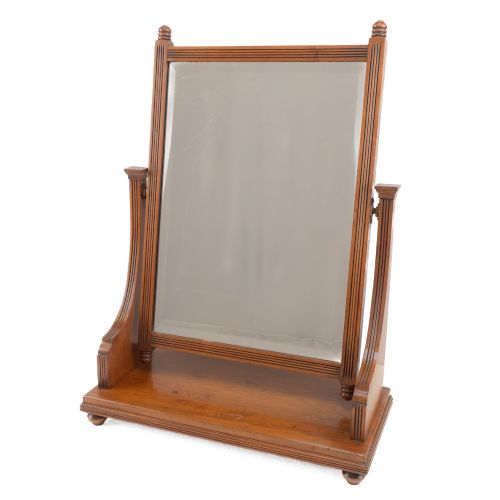
A dressing table or vanity sits best against a bedroom wall where natural light falls across the swing mirror. This positioning assists with daily grooming tasks while showcasing the woodwork and brass mounts.
Pairing the table with a matching period stool or slipper chair completes the furniture grouping. Ensure adequate clearance around the piece for opening drawers and compartment lids.
How do I distinguish French styles from English ones?
French vanity pieces from this era often feature gilt bronze, champleve enamel, marquetry, and lighter woods like bird's-eye maple. Styles such as Napoleon III and French Aesthetic Movement lean toward ornate decorative metalwork and curved silhouettes.
English pieces more frequently utilise dark solid mahogany or walnut with simpler lines rooted in Chippendale or Queen Anne revivals. Brass binding and functional compartments remain common traits across both regional traditions.