
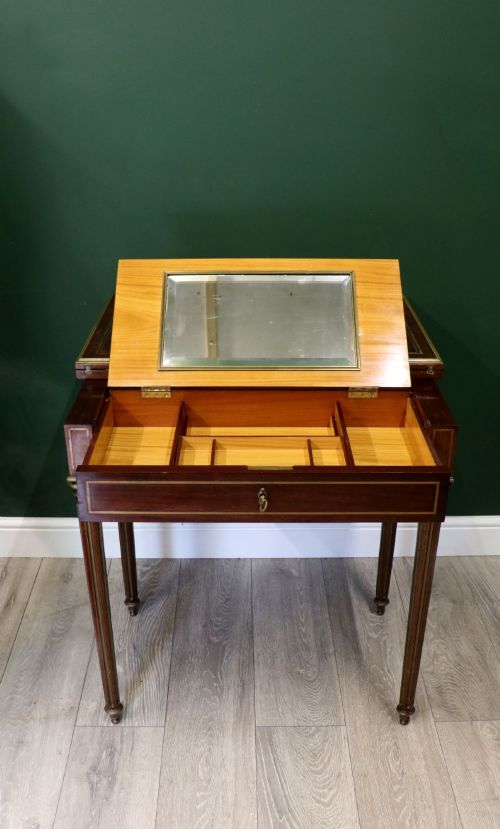
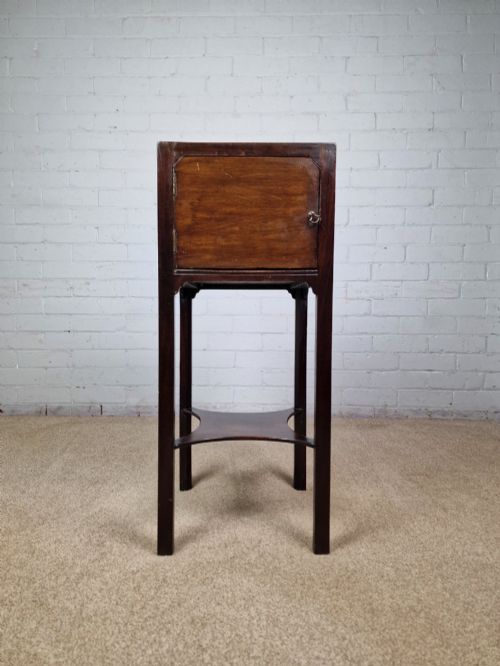
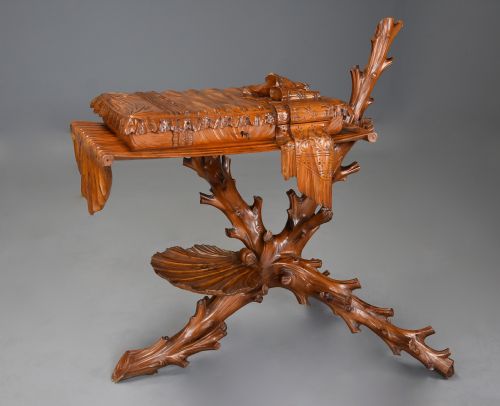
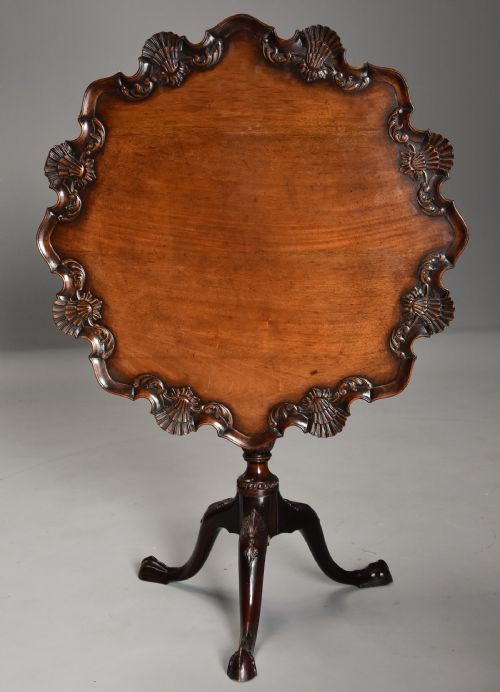
Late 19th Century Side Table
A late 19th century side table brings late Victorian character and versatile utility to any interior.
Late 19th Century Side Table
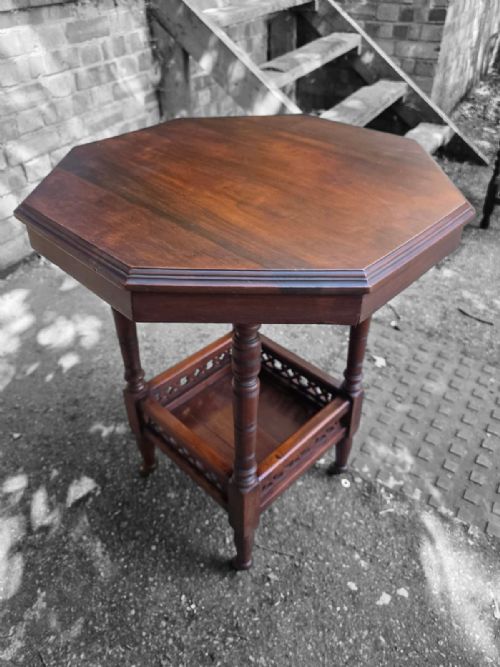
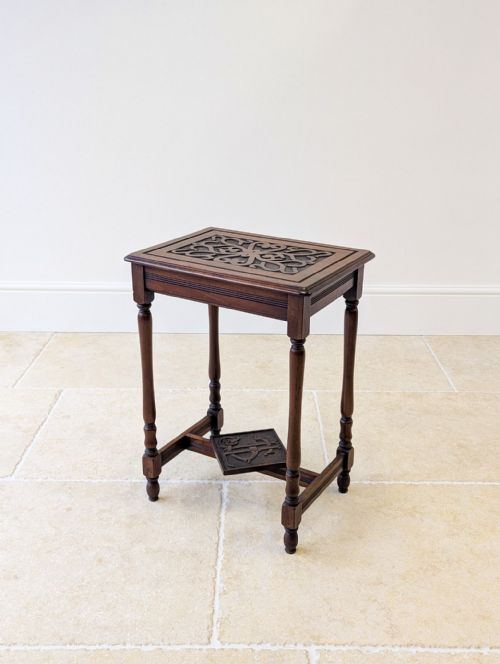
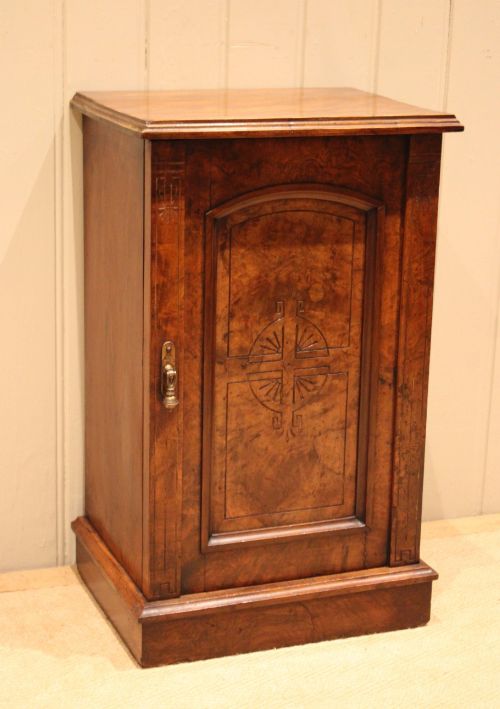
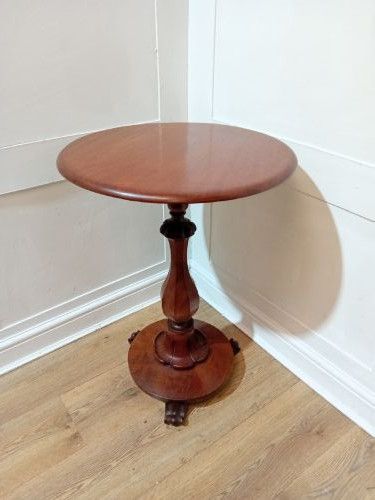
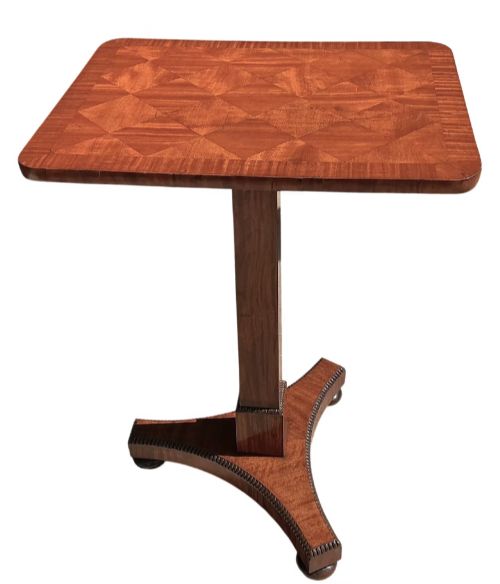
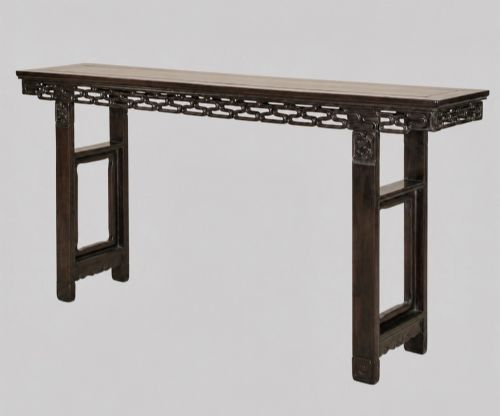
A late 19th century side table encompasses a diverse array of compact utility tables produced during the final decades of the Victorian era. These pieces frequently appear as occasional tables, bedside cabinets, console tables, and plant stands designed for specific domestic tasks.
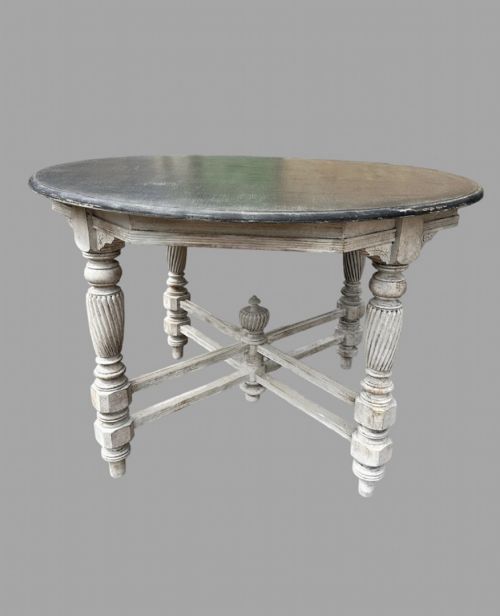
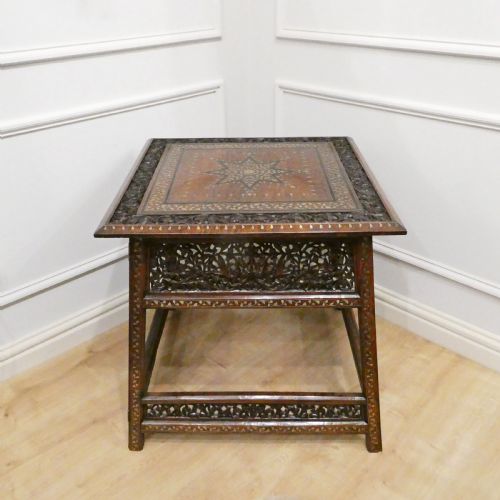
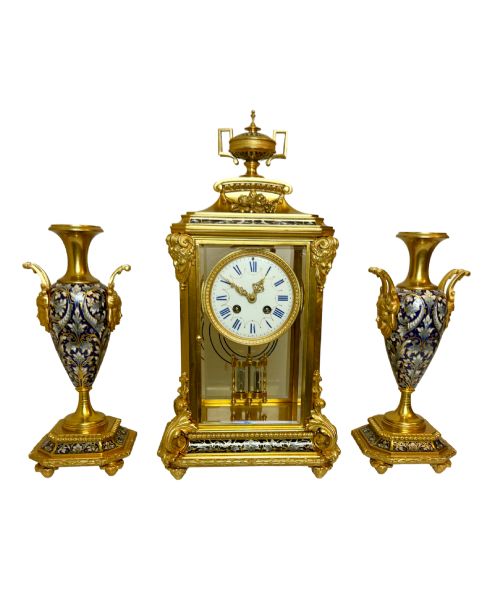
Makers of the period drew upon global influences, resulting in Anglo-Indian Hoshiarpur pieces, French revival designs, and aesthetic movement oak furniture alongside traditional mahogany and walnut British forms.
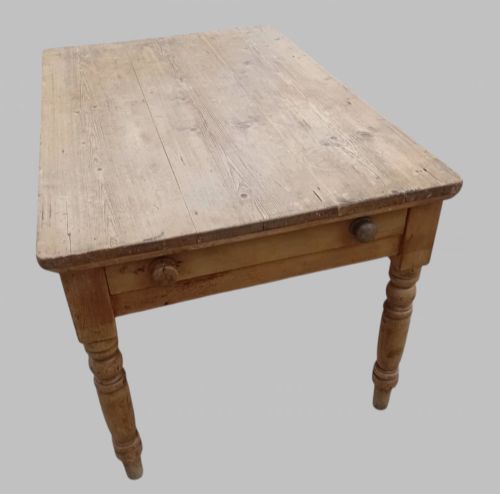
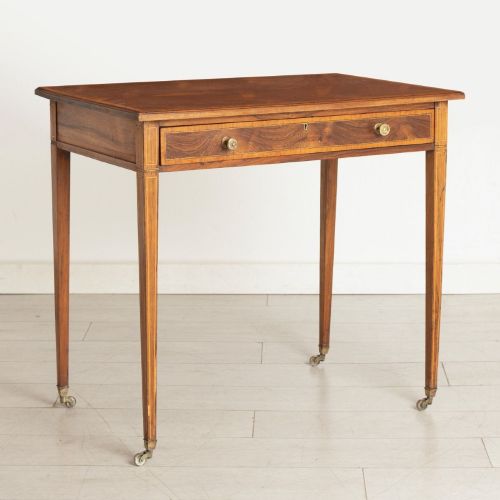
The surviving examples range from rustic pine farmhouse tables to finely inlaid rosewood and kingwood pieces carrying retail labels from prominent London houses.
How they were made
Cabinet makers utilised solid and veneered timbers including mahogany, walnut, oak, rosewood, and pine, often enhancing surfaces with intricate marquetry, parquetry, or brass inlay.
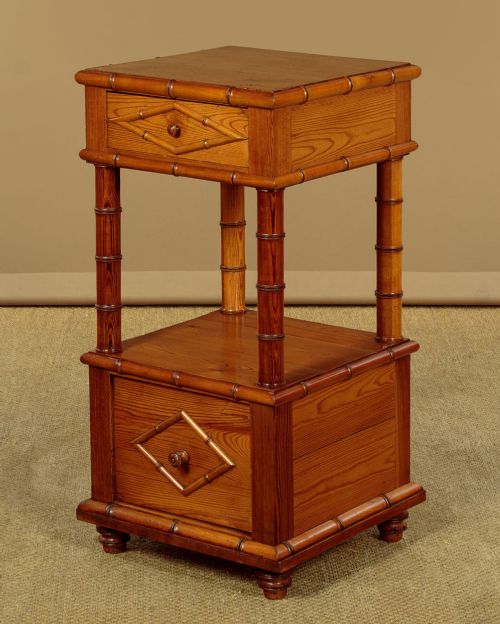
Specialist techniques such as hand-carving, faux bamboo turning, and champleve enamel integration showcase the diverse workshop practices active during the period.
Materials recorded in these listings include brass, mahogany, walnut, marble, pine, rosewood, hardwood, and oak.
What varies in quality
The standard of a piece depends heavily on the precision of the timber selection and the depth of the hand-carving or inlay work applied to the surface. Dense hardwoods and carefully matched veneers distinguish the finer examples produced by established retail makers from standard utilitarian workshop output.
Construction methods such as finely dovetailed drawers and structurally sound joints separate superior examples from simpler provincial items, while original surface patination remains a key indicator of historical integrity.
James Shoolbred·Liberty and Co·Edwards and Roberts·Heal and Son·E Kahn·P Chorier
The Late 19th Century Side Table Glossary
- Occasional table
- A small, movable table intended for intermittent use in a reception room.
- Marquetry
- Decorative veneer applied to furniture in patterns using different woods, metals, or shells.
- Hoshiarpur
- A style of intricate brass-inlaid woodwork originating from the Punjab region of India.
- Bombe
- A swollen, convex shape characteristic of continental furniture styles.
- Etagere
- A set of open shelves for displaying small objects or ornaments.
Late 19th Century Side Table: Frequently Asked Questions
What is a side table?
A side table is a small piece of furniture designed to stand against a wall or beside seating to hold small objects.
These versatile surfaces served various domestic roles in Victorian interiors, acting as lamp stands, display points, or occasional desks.
How do I identify a late 19th century table?
Identification relies on examining the timber species, construction techniques, and stylistic markers such as aesthetic movement geometric lines or revival ornamentation.
Maker stamps or retailer labels often provide definitive confirmation of the production period and origin.
Where were these tables placed?
These tables were positioned in drawing rooms, hallways, and bedrooms depending on their specific form and intended function.
Bedside cabinets and small occasional tables were kept in private quarters, while larger console and centre tables furnished primary reception spaces.
How should I care for antique wood?
Preserving antique wood requires maintaining stable room humidity and avoiding direct placement near heat sources or intense sunlight.
Gentle dusting with a dry cloth and occasional application of appropriate wax helps protect the historical finish.