


Late 19th Century Sconces
Late 19th century sconces bring candlelight and ornamental weight to a wall, combining practical illumination with the decorative exuberance of the Victorian and Belle Epoque periods.
Late 19th Century Sconces
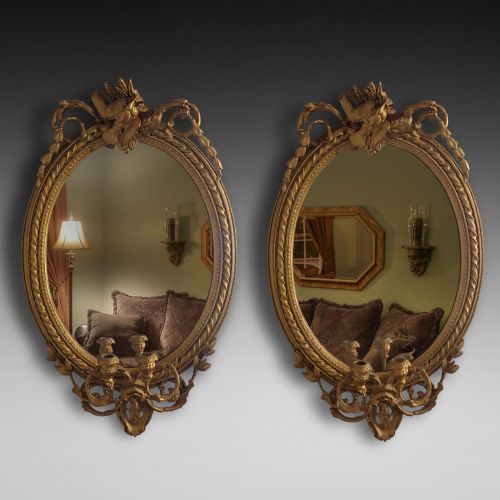
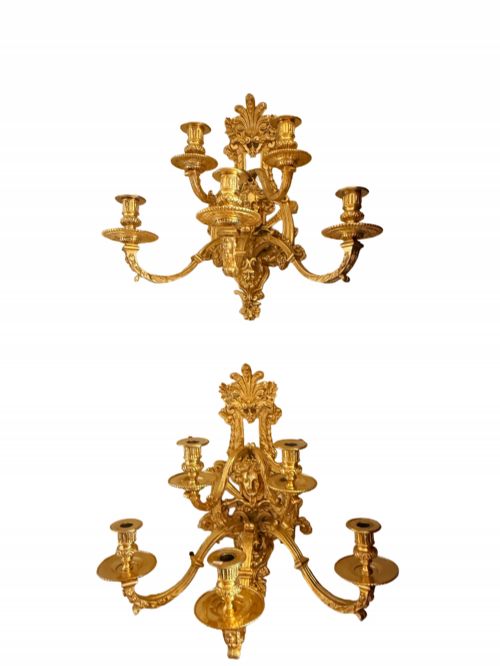
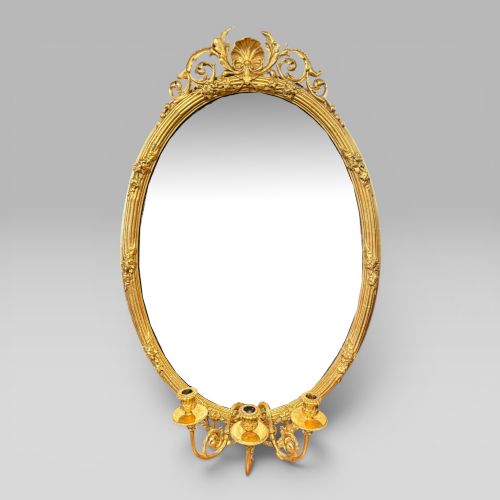
Late 19th century sconces encompass a diverse range of wall-mounted lighting and decorative fixtures from the Victorian, Edwardian, and 1880 to 1890 periods. When searching this phrase, a buyer encounters everything from simple brass candle brackets to elaborate giltwood girandole mirrors and porcelain candelabra.
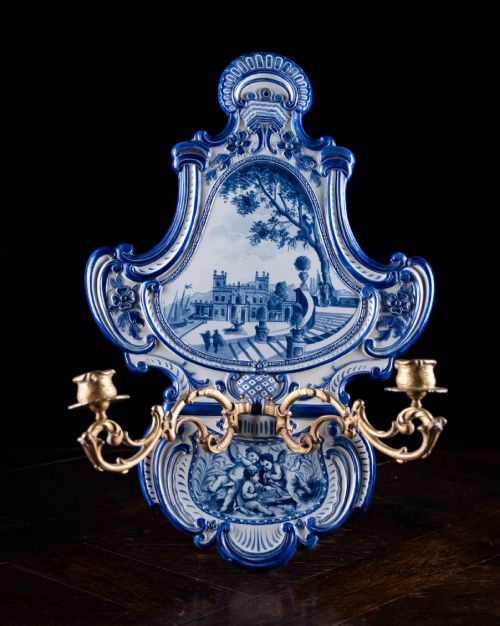
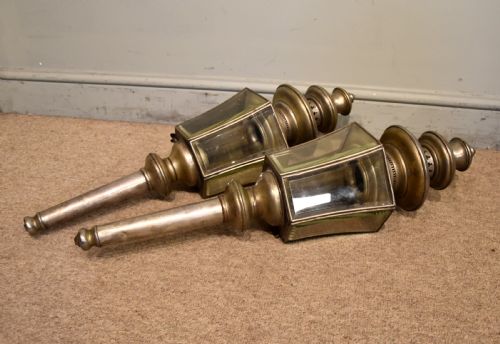
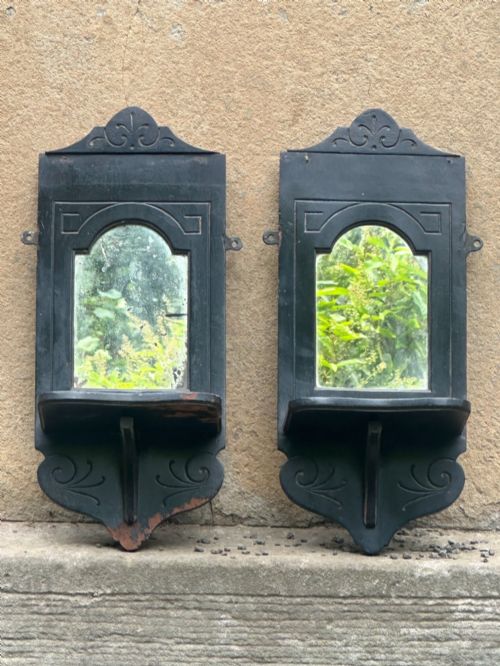
The forms appearing on this page include wall lights, girandoles, carriage lamps, and mirrored sconces designed to reflect candlelight across a room. Styles stretch from French Rococo Revival and Belle Epoque to Aesthetic Movement, Chinoiserie, and Dutch Traditional work.
Origin points span English, French, Dutch, and Swedish workshops, alongside specialist pieces made for specific export markets. Pairs predominate in the selection, offering symmetry for placement beside mirrors, fireplaces, or architectural doorways.
How they were made
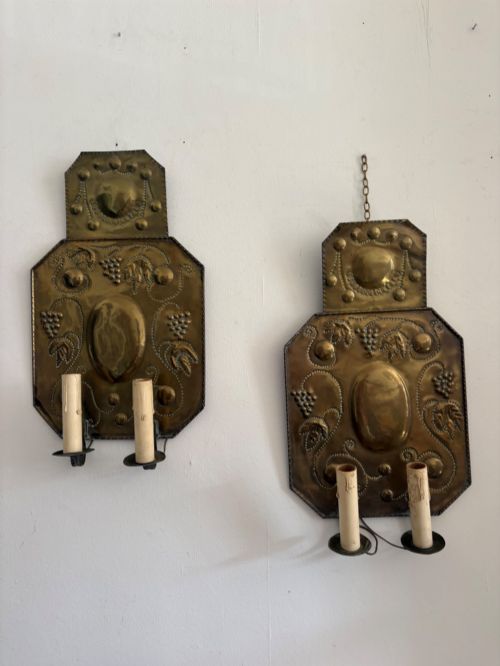
Metalwork forms the backbone of these pieces, utilising cast brass, ormolu, gilt bronze, and bronze shaped through traditional founding and chasing techniques. Repousse work also appears, showing hand-beamed relief patterns on softer brass surfaces.
Gilded elements combine carved wood, giltwood, and gilt paint to catch the ambient light, while glass components include mirror glass plates and delicate lustres. Porcelain elements, sometimes supplied by notable potteries, integrate directly with metal arms and mounts.
Listings feature brass, gilt bronze, ormolu, and porcelain, reflecting the period's preference for mixed media wall fixtures.
What varies in quality
The refinement of the casting and carving separates standard production from superior examples, visible in the crispness of acanthus leaves, rococo scrolls, and figural details. Heavier gauge metals and deeply carved wooden frames demonstrate greater workshop investment.
The integrity of the original gilding and the quality of the glass, whether silvered mirror plates or hand-cut lustres, dictate the visual impact of the piece. Matching components within a pair, alongside harmonious integration of mixed materials like porcelain and ormolu, signal higher execution.
Villeroy and Boch·James Hadley·Royal Worcester·Samson Porcelain
The Late 19th Century Sconces Glossary
- Girandole
- A branched wall light or sconce that incorporates a mirror to multiply the reflection of candlelight. These often feature ornate giltwood or brass frames.
- Ormolu
- Gilded bronze, where a finely ground gold-mercury amalgam is applied to a bronze base and heated. This technique produces a rich, durable golden surface.
- Repousse
- A metalworking technique where the artisan hammers the metal from the reverse side to form a raised design in relief. It is frequently seen on brass wall plates.
- Lustre
- A glass pendant or hanging prism suspended from a light fitting to refract light. They catch and scatter the illumination from candles or early bulbs.
- Aesthetic Movement
- A late 19th-century design style emphasising art for art's sake and drawing inspiration from Japanese and simplified forms. It rejected heavy Victorian historicism in favour of cleaner lines.
Late 19th Century Sconces: Frequently Asked Questions
How do I clean brass sconces?
Dust gently with a soft dry cloth to preserve any patination or original surface finishes.
Avoid abrasive metal polishes that can strip away fine gilding or age-related colour.
Are these sconces wired for electricity?
The selection includes pieces originally made for candles alongside wall lights designed for illumination.
Buyers planning to electrify candle sconces should consult a qualified specialist to adapt the fittings safely.
How do I hang a heavy girandole?
Girandoles and mirrored sconces require secure wall anchors suited to the weight of the wood, brass, and glass.
Fixing directly into wall studs or using heavy-duty masonry plugs ensures the fixture remains stable.
Can I mix different styles on one wall?
Eclectic interior schemes often combine styles like Rococo Revival and Aesthetic Movement for visual depth.
Matching the metal tone or scale helps unify disparate pairs across a single room.