
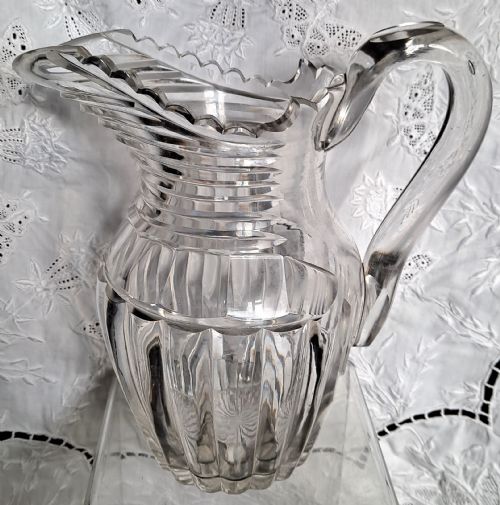


Late 19th Century Pitcher
A late 19th century pitcher brings decorative craft to the table, taking forms from glass, porcelain and metal.
Late 19th Century Pitcher
A late 19th century pitcher encompasses functional water jugs alongside decorative ewers shaped in glass, porcelain and earthenware. These vessels arrive from Victorian workshops and continental makers, spanning table service and ornamental display.
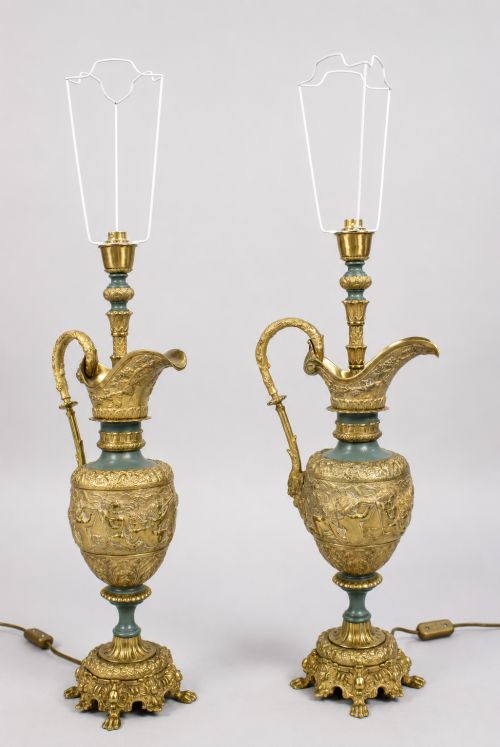
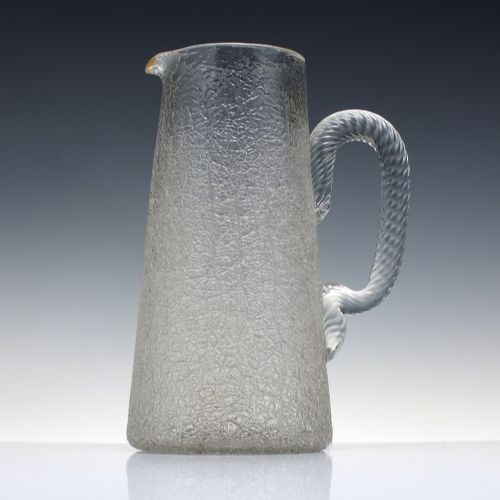
The objects seen here range from overshot glass water jugs to Persian influenced pottery ewers and gilt metal table lamps. Such pieces reflect the diverse aesthetic movements and revival styles popular during the late Victorian period.
How they were made
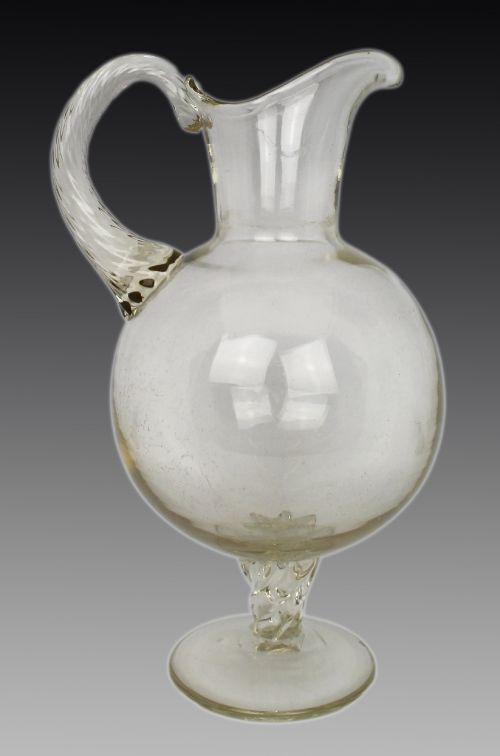
Glass vessels utilise hand-blowing and wheel engraving techniques, often finished with gilded rims or delicate surface etching. Ceramic examples combine moulded earthenware and porcelain with hand-painted details, blush ivory finishes or reticulated piercing.
Metal and mixed media works employ bronze casting, gilt metal mounting and gold leaf application. These labour-intensive processes produce the sculptural handles, ornate spouts and textured surfaces characteristic of the era.
Materials documented across the selection include enamel, glass, gold leaf, porcelain, earthenware, lead crystal, gilding and gilt metal.
What varies in quality
Quality rests in the precision of the hand-engraving on glass and the delicacy of the reticulation in porcelain. Finer examples show crisp casting in bronze and metal mounts, where surface chasing remains sharp and well-defined.
The integrity of the material and the sophistication of the decorative motifs distinguish standard production from exceptional studio work. Painted designs and gilding display varied levels of artisan control across different potteries and glasshouses.
Grainger Worcester·Doulton Burslem·Royal Worcester·Frederic Goldscheider
The Late 19th Century Pitcher Glossary
- Ewer
- A large jug or pitcher with a wide spout and handled base, traditionally used for holding water or wine.
- Overshot glass
- Glassware rolled in crushed glass fragments before reheating and blowing, creating a textured, frosted surface appearance.
- Reticulated
- Pierced or openwork ceramic decoration formed by cutting patterns into the clay body before firing.
- Slipware
- Pottery decorated with a thin mixture of clay and water applied before glazing to create contrasting surface patterns.
Late 19th Century Pitcher: Frequently Asked Questions
How were these pitchers used?
Many of these vessels served practical roles on the dining table for water or wine, while more ornate examples functioned as decorative ewers for display.
Some pieces were later adapted into table lamps, shifting their purpose from serving vessels to domestic lighting fixtures.
What materials are common?
Glass and porcelain appear frequently among these listings, alongside earthenware, terracotta and various metals.
Decoration often incorporates gilding, gold leaf, enamel and bronze casting to enhance the visual weight of the pieces.
How do I identify a Victorian piece?
Victorian items often display specific regional styles, such as Persian influences, Renaissance revival motifs or Aesthetic Movement patterns.
Maker marks, registration numbers and distinct manufacturing techniques like wheel engraving help pinpoint the production era.
Are these pitchers waterproof?
Glass and glazed porcelain pitchers generally hold liquids securely, provided there are no hairline cracks or historical damage to the body.
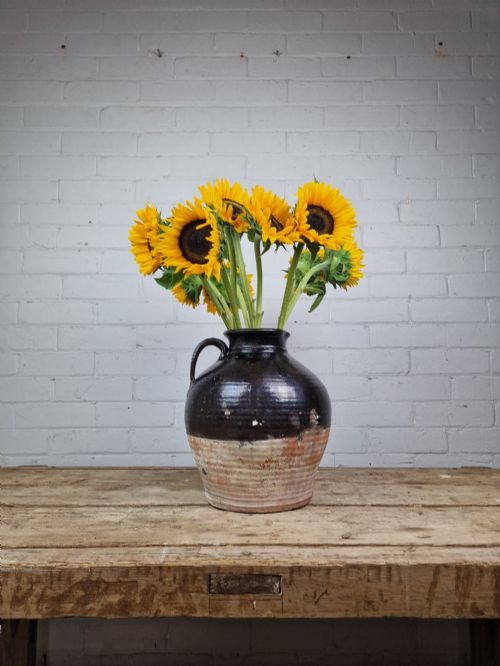
Unglazed earthenware and modified lamp conversions may not be suitable for holding water and are best kept for display.