

Late 19th Century Figure
These pieces gather the classical casts, animalier bronzes, and carved wood studies that define a late 19th century figure for collectors today.
Late 19th Century Figure
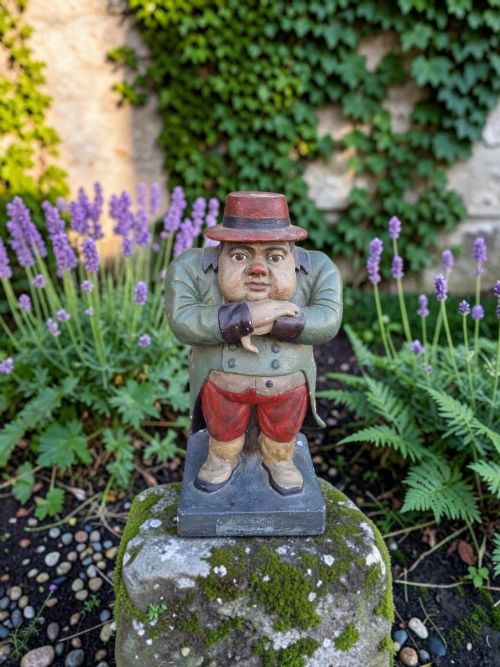
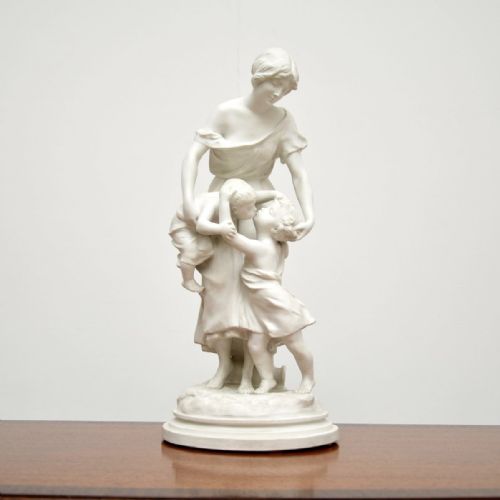
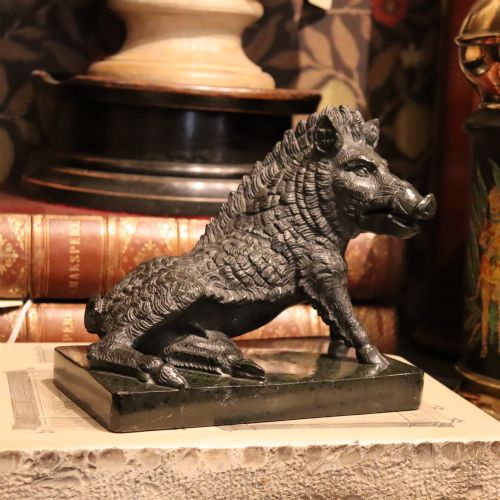
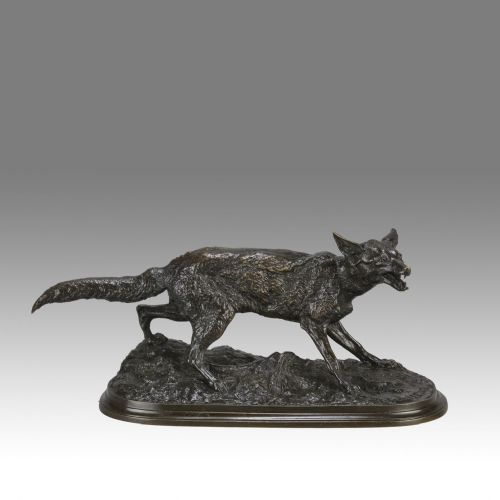
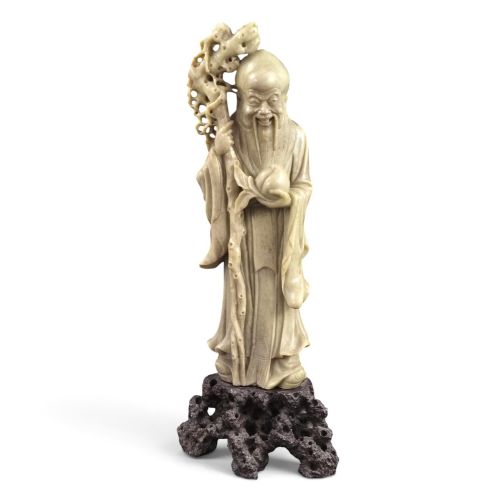
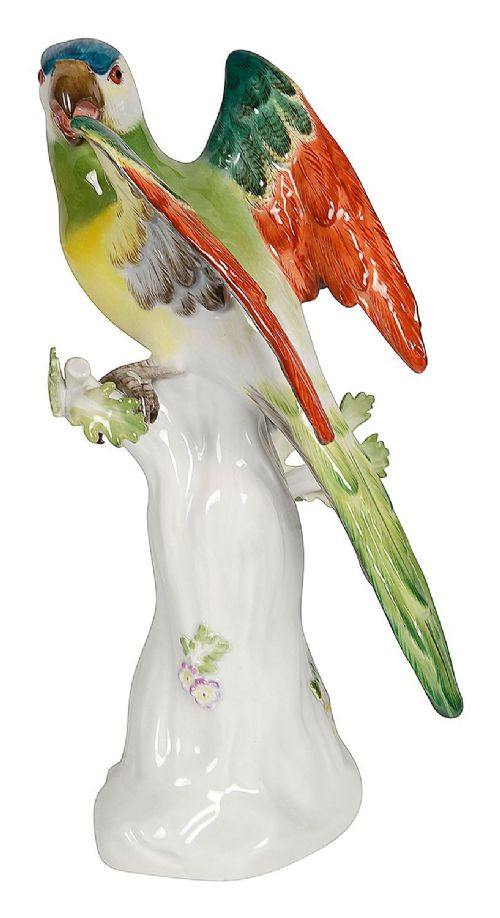
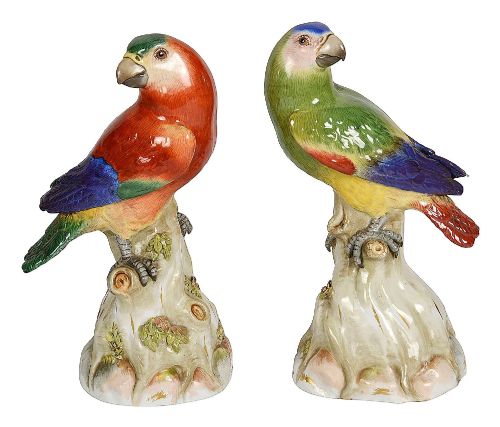
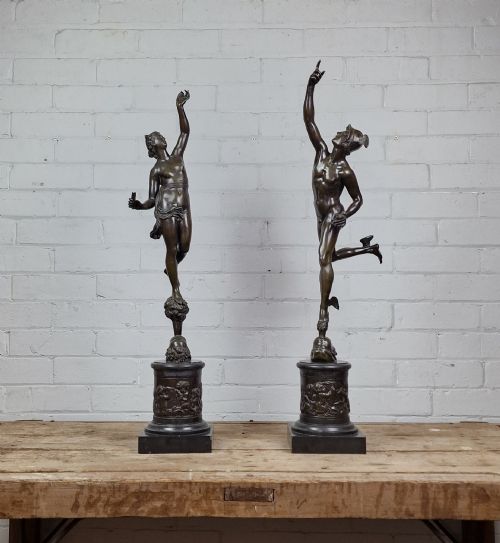
A late 19th century figure spans classical Grand Tour bronzes, Meissen porcelain animals, carved Black Forest linden wood, and painted terracotta studies. These objects reflect the widespread nineteenth-century appetite for antique sculpture reductions, mythological subjects, and detailed depictions of animals and labourers.
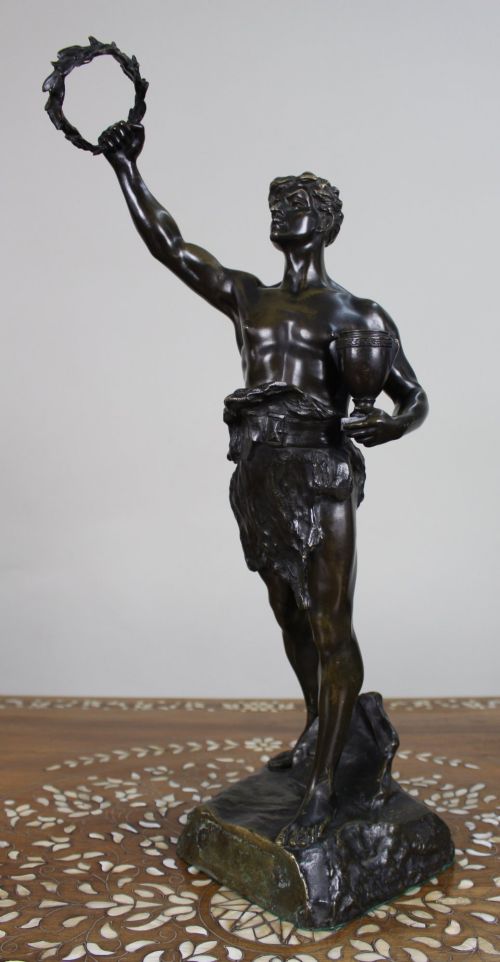
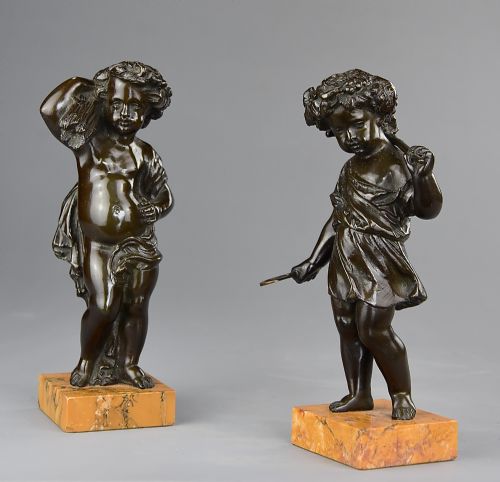
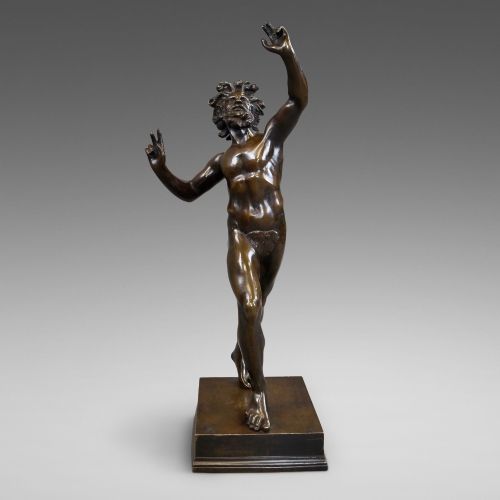
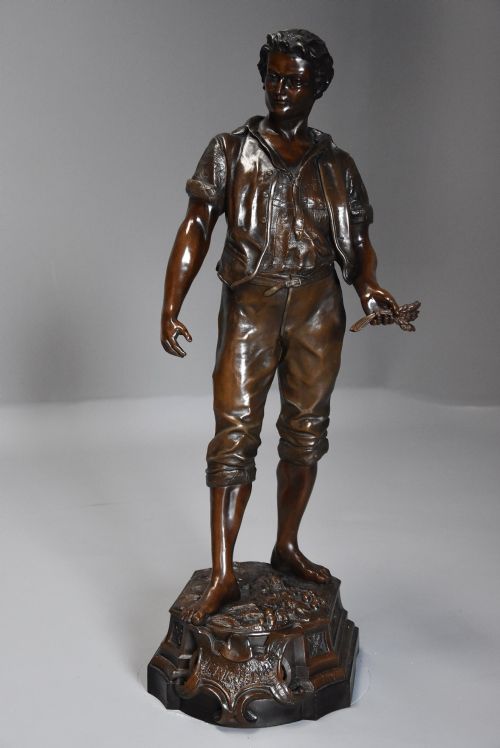
Buyers regularly encounter Grand Tour casts of famous antiquities alongside European porcelain figures and signed French bronze statuettes. The selection moves from small cabinet bronzes and parian porcelain to larger carved wood groups and terracotta dogs.
How They Were Made
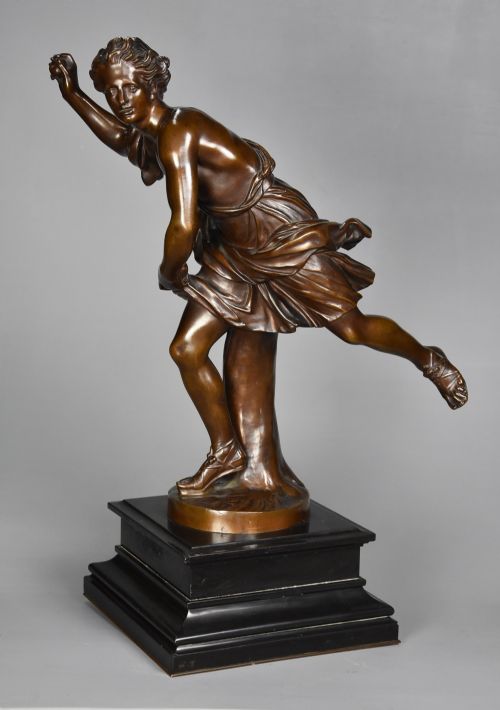
Foundry-cast bronze utilises the lost-wax method or sand casting, finished with varied patinations from dark green to polished gold leaf. Artisans then chased the metal surface by hand to sharpen details like hair, drapery, and musculature.
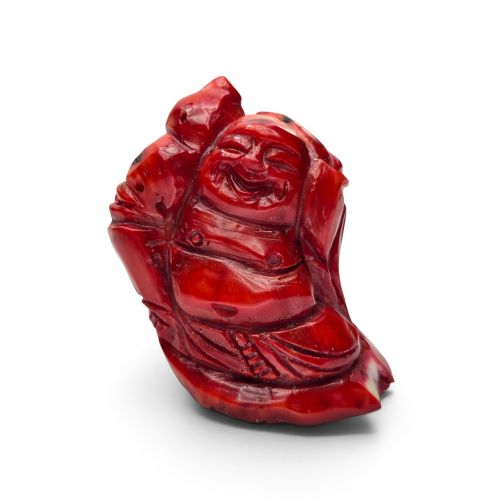
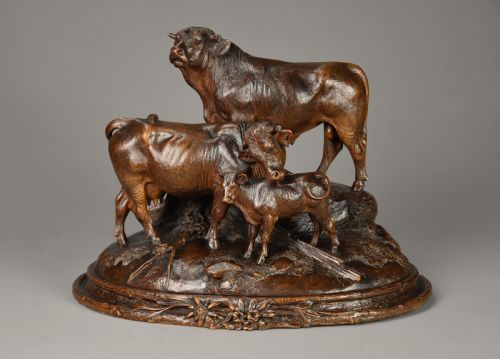
Carved pieces rely on dense timbers such as walnut and linden wood, shaped with chisels and gouges to create textured animal coats and rustic foliage. Porcelain and terracotta works combine slip-casting or mould-pressing with hand-painted polychrome enamels and glazes before firing.
Several listings capture solemn Roman emperors, pacing lions, and cheerful pottery cows sharing the same cabinet space.
What Varies in Quality
The crispness of the casting or carving dictates the success of the piece, separating sharp, deeply undercut details from soft, worn surfaces. Superior patination and careful hand-chasing reveal the maker's intent, whereas muddy finishes obscure the underlying form.
Signatures from established foundries or listed sculptors elevate the standing of a bronze, while factory marks indicate specific European porcelain houses. Proportion, balance, and the fidelity of the reduction to the original antique source further divide standard decorative items from superior examples.
P J Mêne·Emmanuel Villanis·August Moreau·Friedrich Goldscheider·Pierre Philippe Thomire
The Late 19th Century Figure Glossary
- Animalier
- A nineteenth-century artistic genre focusing on the realistic portrayal of animals, particularly predators, hounds, and farm livestock. Sculptors in this tradition worked primarily in bronze.
- Grand Tour
- A cultural tradition where travellers collected souvenirs such as small bronze or serpentine marble reductions of classical antiquities. These miniature sculptures replicated famous statues found in Italian museums.
- Patination
- The chemical or natural surface treatment applied to bronze to alter its colour and tone. Artisans used specific acids and heat to produce green, brown, or near-black finishes.
- Parian Porcelain
- A fine-grained, unglazed porcelain resembling white marble, developed in the nineteenth century. It was widely utilised for classical figure studies and literary busts.
- Spelter
- A zinc alloy frequently employed as a less expensive alternative to bronze during the nineteenth century. Figures cast in spelter were typically given a bronze-coloured coating to simulate solid metal.
Late 19th Century Figure: Frequently Asked Questions
What is a Grand Tour figure?
A Grand Tour figure is a bronze or marble souvenir collected by nineteenth-century travellers visiting classical sites in Italy. These reductions replicated famous museum sculptures for display in private homes.
They allowed collectors to bring classical antiquity into their studies and libraries, maintaining the aesthetic of the ancient world in domestic interiors.
How do I care for bronze sculptures?
Bronze figures require dusting with a soft, dry cloth to protect the underlying patination from moisture and oils. Avoid using abrasive cleaning agents or polishes that strip the surface finish.
Maintaining a stable room temperature prevents condensation and protects any integrated marble bases from thermal shock or staining.
What is Black Forest wood carving?
Black Forest wood carvings are detailed wooden sculptures produced in Switzerland and Germany during the nineteenth century. Artisans utilised linden wood and walnut to carve realistic animals, particularly bears, chamois, and dogs.
These pieces often functioned as decorative table ornaments, umbrella stands, or inkwells, celebrated for their deep undercutting and realistic textures.
How can I tell bronze from spelter?
Bronze is heavier, denser, and more durable than spelter, which is a softer zinc alloy. Inspecting the underside or areas of wear often reveals the greyish metal beneath a bronze-coloured coating on spelter items.
Bronze also holds a sharper edge in cast details and develops a stable patination over time, whereas spelter tends to crack or pit more readily.