



Late 19th Century Dining Table
A late 19th century dining table brings solid timbers and honest proportions to the room, offering a sturdy centrepiece for daily meals.
Late 19th Century Dining Table
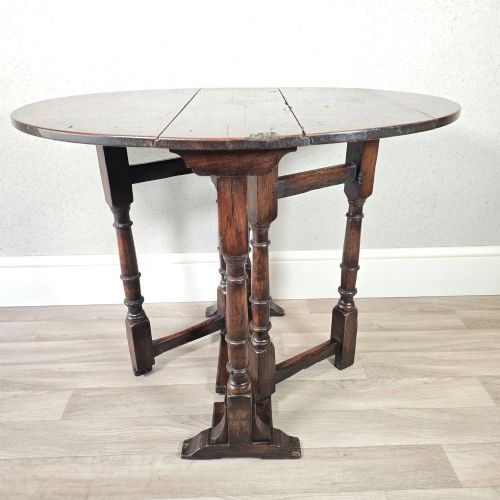
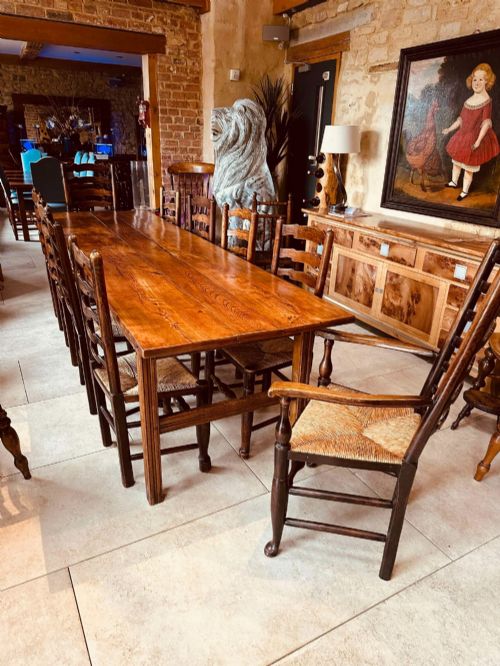
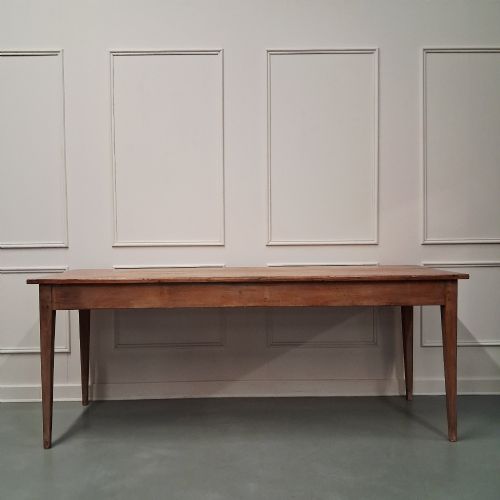
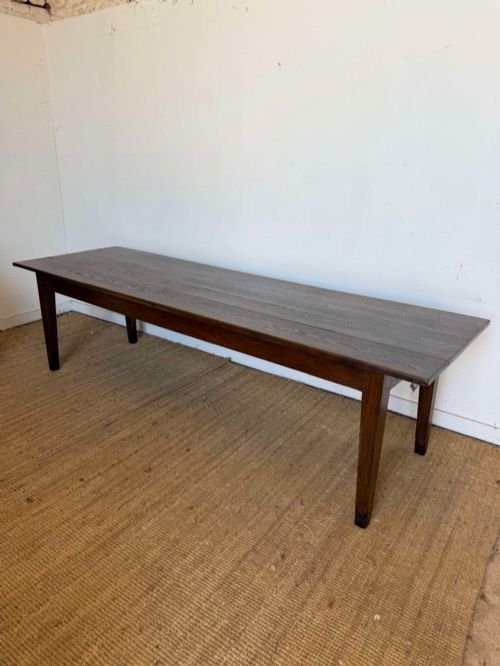
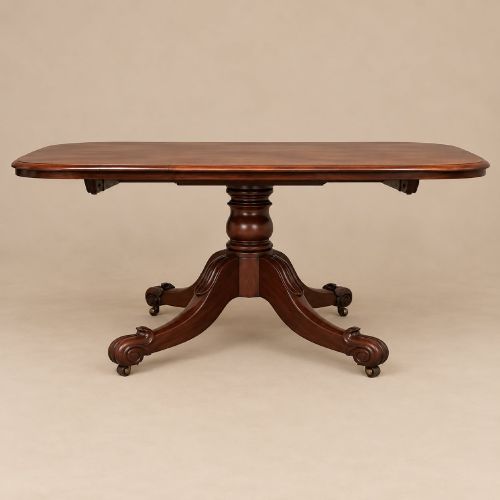
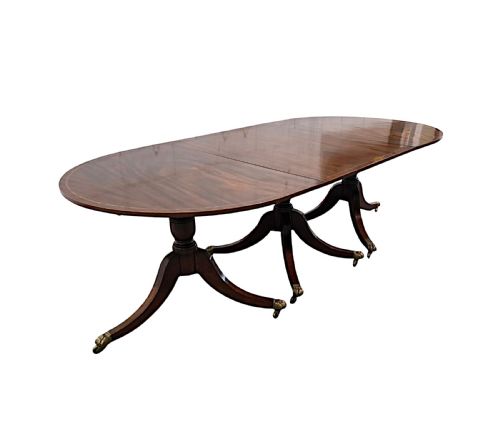
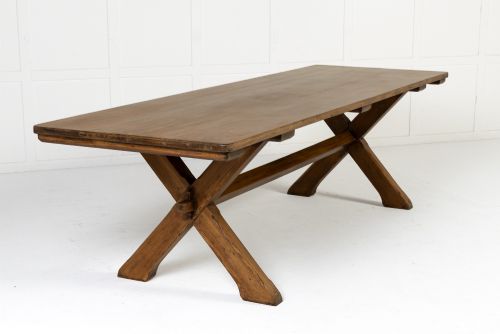
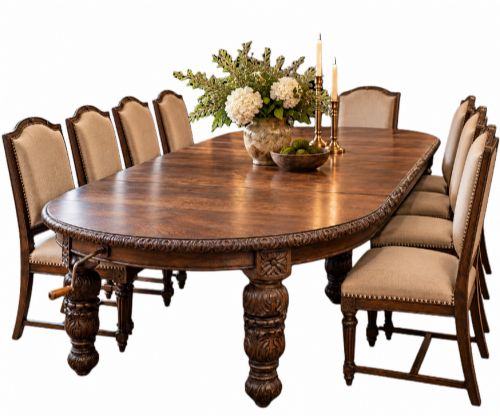
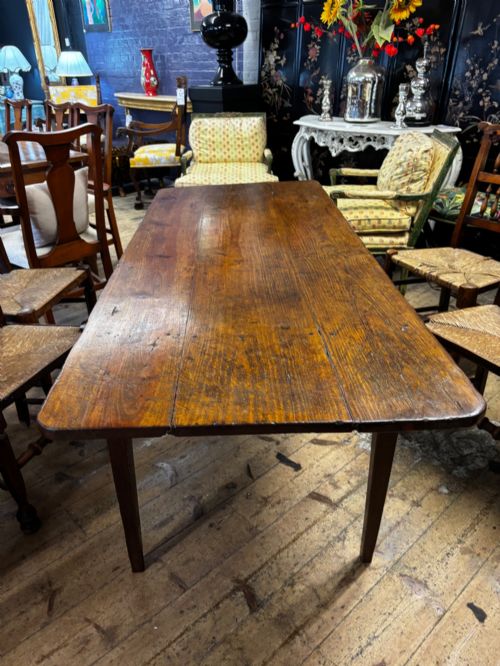
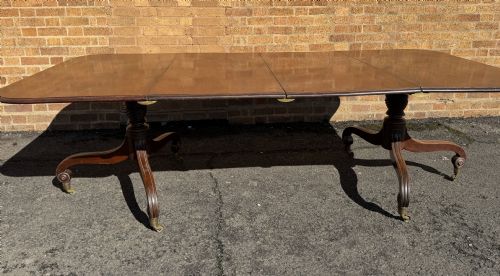
When you search for a late 19th century dining table, you encounter a varied group of dining tables, refectory tables, and kitchen tables spanning the Victorian and late nineteenth periods. These pieces range from formal mahogany D-end and twin-pillar designs to rustic pine and fruitwood farmhouse tables made for practical use.
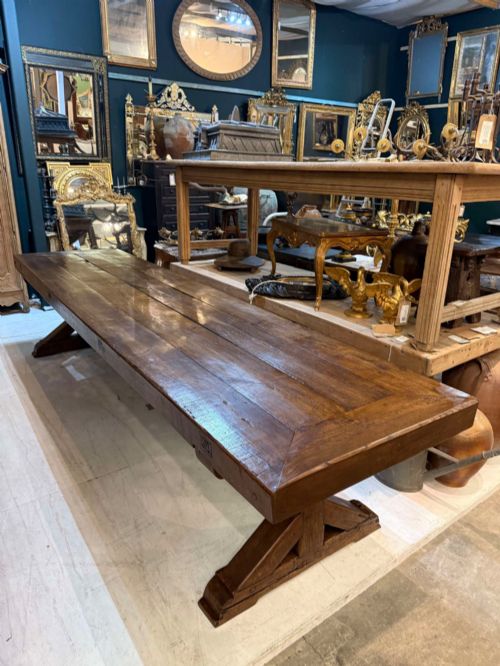
The selection includes substantial oak monastery and refectory tables alongside lighter cherrywood and walnut examples. Swedish birch and French provincial pieces also appear, bringing diverse regional character to the category.
Most examples originate from the latter decades of the nineteenth century, reflecting the robust construction methods of the period. Buyers find both extending mechanisms for large gatherings and fixed tops suited to everyday interiors.
How they were made
Cabinet makers and joiners relied heavily on dense hardwoods such as mahogany, oak, and walnut for formal dining furniture, often employing careful turning and carving. Frameworks utilised solid timbers for legs and aprons, ensuring stability under heavy use.
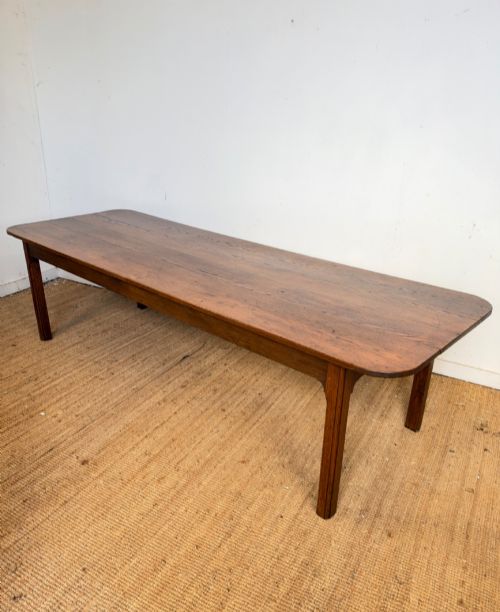
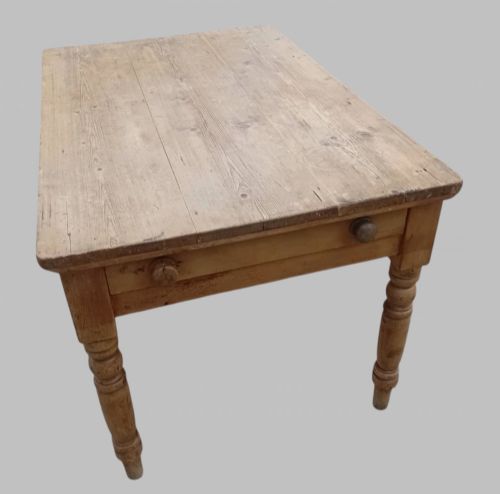
For vernacular and kitchen tables, makers selected accessible softwoods and fruitwoods like pine, fruitwood, cherrywood, and chestnut. Simple board construction, drawers with dovetail joints, and robust stretcher bases defined these utilitarian pieces.
Surface finishing involved hand-applied treatments that protected the timber while highlighting natural grain patterns. Brass fittings appeared on extending mechanisms and castors of higher-status tables.
Late 19th Century Dining Table Retail Price Guide 2026
Typical asking prices for late 19th century dining table among the pieces listed under this phrase on Sellingantiques today, from the lower quarter to the upper quarter. They describe what is for sale here now, not the wider market.
Listings feature woods including mahogany, oak, pine, fruitwood, cherrywood, and satin birch across 19th-century periods.
What varies in quality
The grade of timber dictates much of the quality, separating select cuts of figured mahogany or satin birch from utility pine and fruitwood. Finer tables display meticulous attention to jointing, carving detail, and the smooth operation of extending leaves.
Proportion and structural integrity set individual examples apart, as skilled execution ensures balanced weight distribution across pedestals and legs. Lesser pieces might show simpler pegging or heavy utilitarian repairs from decades of hard kitchen service.
The Late 19th Century Dining Table Glossary
- Refectory table
- A long, narrow dining table historically used in monasteries and large halls, characterised by sturdy legs joined by a low stretcher.
- D-end table
- A dining table with semicircular ends that can be separated or combined with central leaves to alter its length.
- Refining leaf
- An extension piece added to a table mechanism to increase surface area for seating additional guests.
- Stretcher
- A horizontal wooden brace connecting the legs of a table to provide lateral rigidity and strength.
- Twin-pillar
- A table configuration where the top is supported by two distinct pedestals, often fitted with brass castors.
Late 19th Century Dining Table: Frequently Asked Questions
How do I seat twelve people?
Look for large extending formats, refectory tables, or D-end designs specifically built to accommodate larger gatherings.
Check the clearance beneath the aprons to ensure chairs fit comfortably along the length of the table.
Are pine tables durable?
Pine and fruitwood tables served as hardworking kitchen furniture and naturally acquire marks from daily use.
Regular waxing protects the softwood surface while preserving its historical character.
How do I maintain the wood?
Apply traditional beeswax periodically to nourish dry timber and maintain a soft sheen on the surface.
Keep tables away from direct heat sources to prevent the solid wood boards from splitting.